

ProductPRODUCT
Featured products
Contact Us
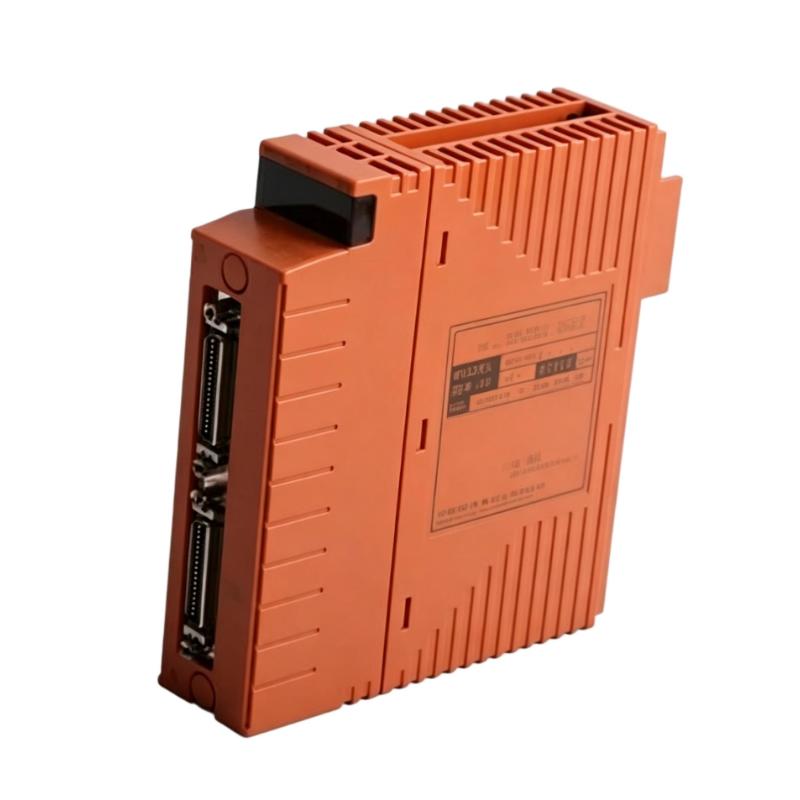
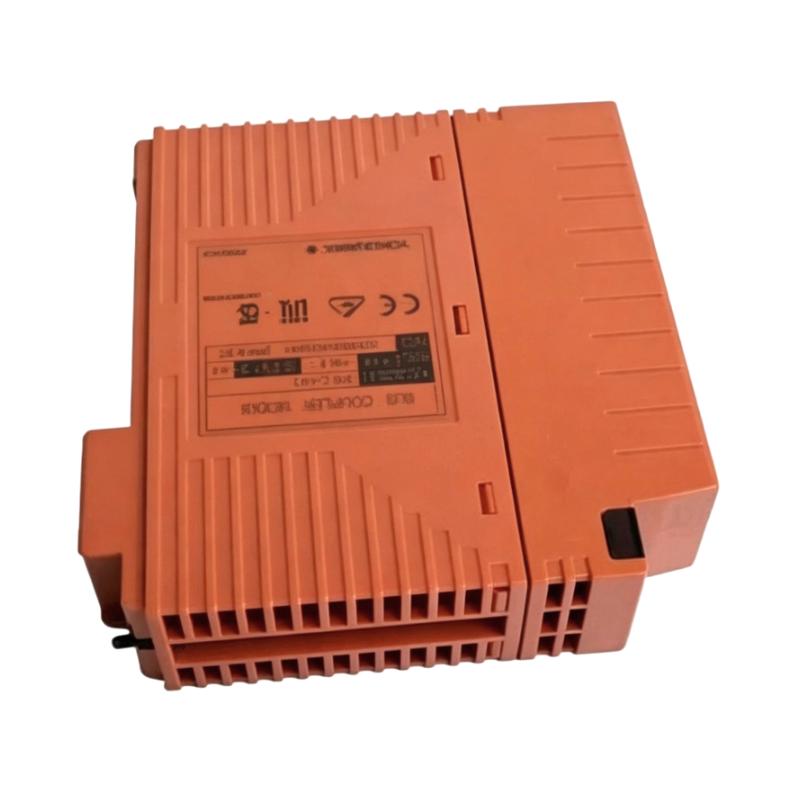
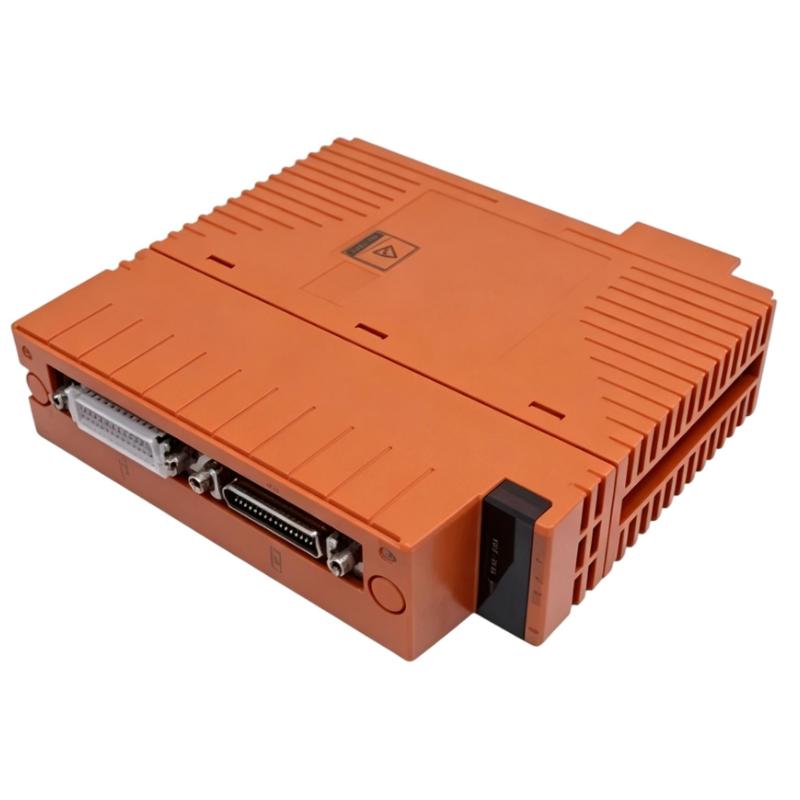
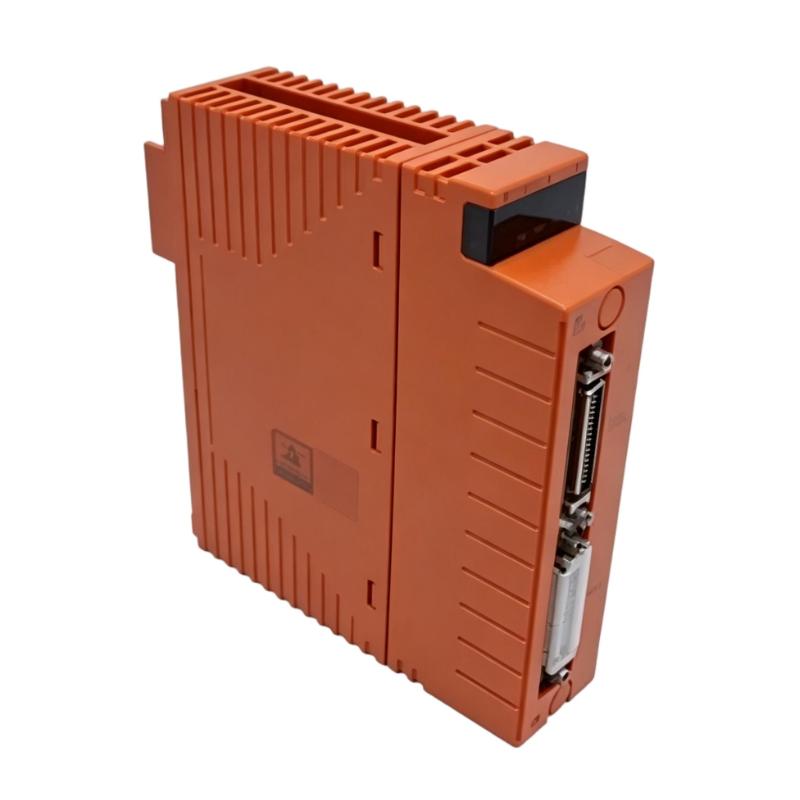
- Yokogawa
- SEC401-50
- Bus Coupler Module
- Japan
- 130 x 129.5 x 32.8 mm
- 0.24 kg
- Xiamen, China
- New & In Stock
- T/T, PayPal, Western Union
- 1 Year
- 1-3 Working Days
- DHL, UPS, TNT, FedEx and EMS.
- 24-Hour Service
- COO
- 110
Our advantage

Global Logistics
We have a 10-year logistics and express cooperation agreement, so our products can be shipped to any place in the world.

Brand new and original
Our products are imported in bulk from the place of origin. Because of the cooperative relationship, our products are all original and 100% new.

24-hour service
We provide 7*24 hours service to our customers. We will be there whenever you need us.

Price advantage
All our products are priced very favorably because we have our own warehouse and supply.
| Company Information | |||
| [email protected] | |||
| Mobile | +8615980777398 | ||
| +8615980777398 | |||
| 15980777398 |
Product Overview
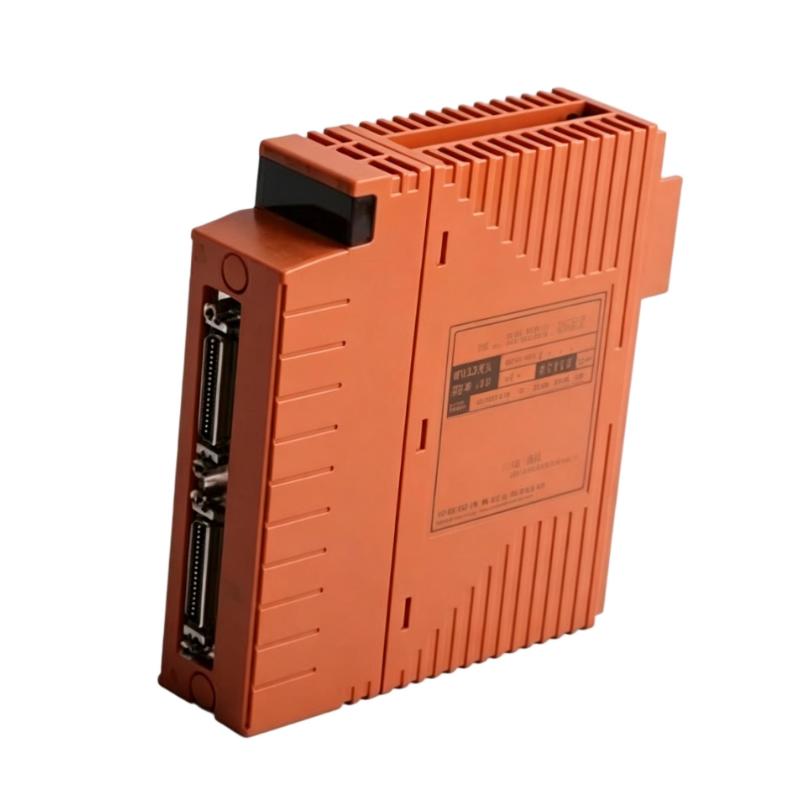
The Yokogawa SEC401-50 Bus Coupler Module is an industrial-grade communication interface used in Yokogawa Distributed Control Systems (DCS) and ProSafe-RS safety instrumented systems. It is designed to function as an ESB (Extended Safety Bus) communication coupler, enabling high-speed, deterministic data exchange between control stations and distributed I/O or safety nodes.
This model is an enhanced variant in the SEC401 family, typically used in safety-critical and high-reliability automation architectures, such as oil & gas, petrochemical, offshore, and power generation systems.
Technical Specifications
| Parameter | Details |
|---|---|
| Manufacturer | Yokogawa |
| Model | SEC401-50 |
| Product Type | Bus Coupler Module |
| Function | ESB Bus Communication Interface (Master Node) |
| System Compatibility | Yokogawa ProSafe-RS / CENTUM (system dependent) |
| Bus Type | ESB (Extended Safety Bus) |
| Installation | Control cabinet / system rack mounted |
| Dimensions | 130 × 129.5 × 32.8 mm |
| Weight | 0.24 kg |
| Communication Speed | Up to 128 Mbps (system dependent) |
| Max Connectable Nodes | Up to 9 units (system dependent) |
| Operating Temperature | -20°C to +70°C |
| Storage Temperature | -20°C to +70°C |
| Protective Coating | ISA G3 corrosion-resistant coating (variant dependent) |
| Country of Manufacture | Japan |
Function and Working Principle
The SEC401-50 operates as an ESB bus master interface module, responsible for managing deterministic communication between central control systems and distributed nodes.
Its core functions include:
- Establishing high-speed ESB communication links
- Synchronizing real-time process data across safety and control nodes
- Managing cyclic I/O data exchange
- Supporting fault-tolerant and deterministic communication
- Enabling modular expansion of DCS and SIS architectures
The module coordinates communication cycles on the ESB network, ensuring that all connected devices exchange data in a synchronized and predictable manner.
Role in Industrial Control Systems
Within Yokogawa architectures, the SEC401-50 acts as a critical communication backbone module, connecting:
- Safety Control Stations (SCS)
- Field Control Units (FCU)
- Remote I/O nodes
- ProSafe-RS safety systems
- ESB bus network segments
It ensures unified operation between distributed control and safety systems, improving system integrity and availability.
Industrial Applications
The Yokogawa SEC401-50 is widely used in:
- Safety Instrumented Systems (SIS)
- Emergency Shutdown Systems (ESD)
- Distributed Control Systems (DCS)
- Oil and gas upstream and downstream facilities
- Petrochemical and refining plants
- Offshore platforms
- Power generation stations
- Large-scale process automation systems
It is especially critical in environments requiring high-speed, low-latency, and fault-tolerant communication.
Installation and System Integration
Proper installation is essential for stable ESB communication.
Recommended practices include:
- Install in designated system rack slots
- Ensure correct ESB cable routing and termination
- Maintain proper grounding and shielding
- Avoid mechanical stress on bus connectors
- Verify node addressing during commissioning
- Follow Yokogawa system engineering standards
Correct setup ensures reliable synchronization and long-term communication stability.
Compatible System Components
The SEC401-50 is commonly used with:
- Yokogawa ProSafe-RS safety controllers
- ESB bus I/O node modules
- Field Control Units (FCU)
- CPU/processor modules (SCP series)
- Terminal boards (SEA / SBD series)
- System power supply modules
- Engineering and monitoring stations
These components form a scalable and highly reliable industrial automation architecture.
Recommended Alternative Models
| Model | Type | Key Feature | Application |
|---|---|---|---|
| SEC401-50 | Bus Coupler Module | Enhanced ESB communication | Safety & DCS systems |
| SEC401-11 S3 | Bus Coupler Module | Standard revision variant | General control systems |
| SEC401-11 S2 | Bus Coupler Module | Previous revision | Legacy systems |
| SEC401-51 | Bus Coupler Module | Next-generation variant | Modern architectures |
| SB401 series | Interface Module | ESB communication support | Distributed control |
Key Advantages
- High-speed ESB communication up to 128 Mbps
- Deterministic and synchronized data transfer
- Strong compatibility with Yokogawa DCS and SIS systems
- Enhanced corrosion resistance (ISA G3 variant dependent)
- Supports scalable distributed architectures
- Reliable performance in harsh industrial environments
- Suitable for continuous 24/7 operation
- Designed for safety-critical automation systems
- Compact and lightweight industrial design
Technical FAQs
What is the main function of SEC401-50?
It is an ESB bus coupler module that enables high-speed communication between control stations and distributed I/O or safety nodes.
Is SEC401-50 a CPU module?
No. It is a communication interface module, not a processor.
Where is it used?
It is used in Yokogawa ProSafe-RS and DCS systems for ESB-based communication.
What makes the “-50” version different?
It is generally considered an enhanced variant, often associated with improved environmental protection and updated system compatibility.
Conclusion
The Yokogawa SEC401-50 Bus Coupler Module is a key communication component in Yokogawa Distributed Control and Safety Systems. It ensures high-speed, deterministic, and reliable ESB data exchange between distributed nodes, enabling stable and synchronized industrial automation performance. With its robust design and strong system integration capability, it plays an essential role in modern safety-critical process control architectures.