
NewsNEWCENTER
Featured products
Contact Us
Honeywell 05701-A-0283 Single Channel Control Card Fault Diagnosis and Troubleshooting Guide
2026-05-26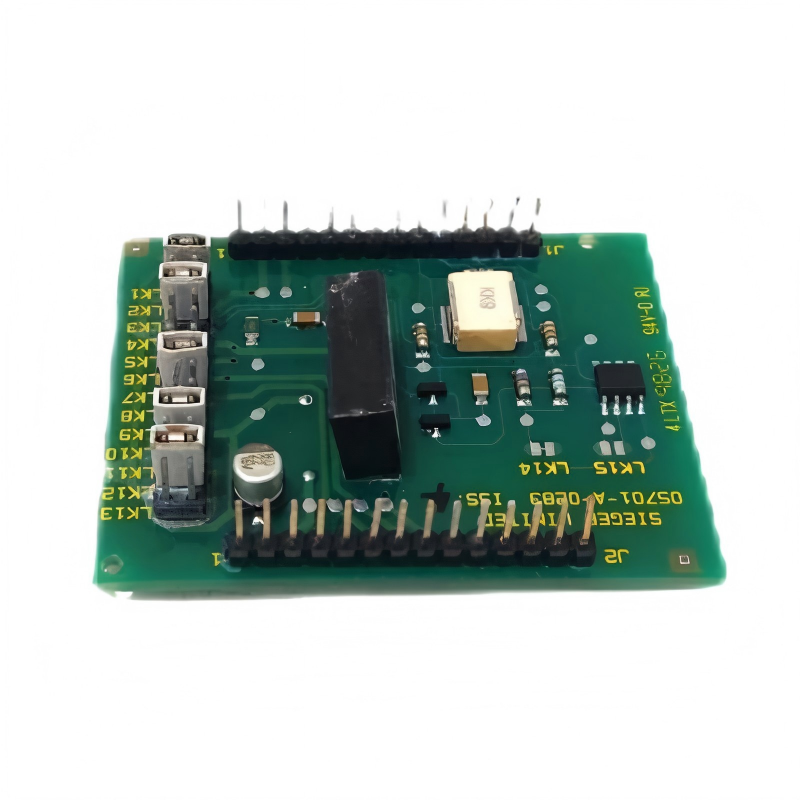
Honeywell 05701-A-0283 alarm instability and signal faults are usually linked to sensor loop interference, grounding defects, or analog input fluctuation rather than actual control card damage. In many industrial sites, false gas alarms occur only under dynamic electrical load conditions.
Contents
- Honeywell 05701-A-0283 Fault Symptoms
- Honeywell 05701-A-0283 Fault Analysis Strategy
- Common Causes of Honeywell 05701-A-0283 Faults
- Honeywell 05701-A-0283 Diagnostic Procedure
- Honeywell 05701-A-0283 Repair and Recovery
- Honeywell 05701-A-0283 Real Fault Case
- Honeywell 05701-A-0283 Troubleshooting Questions
- Honeywell 05701-A-0283 Fault Diagnosis Summary
Honeywell 05701-A-0283 Fault Symptoms
Fault behavior in the Honeywell 05701-A-0283 Single Channel Control Card is often intermittent rather than continuous.
- False gas alarms
- Fluctuating analog output
- Relay output instability
- Sensor fault indication
- Control room signal interruption
- Unexpected alarm reset
In several refinery systems, false alarms occurred only when large motors started simultaneously with process pumps.
Honeywell 05701-A-0283 Fault Analysis Strategy
Experienced field engineers typically analyze signal behavior before replacing hardware.
Recommended Troubleshooting Logic
- Verify whether the fault is repeatable
- Check if alarms correlate with electrical load changes
- Measure analog loop stability
- Inspect grounding quality
- Confirm sensor calibration accuracy
Intermittent faults are frequently linked to external interference rather than defective control cards.
Common Causes of Honeywell 05701-A-0283 Faults
- Sensor cable shielding failure
- Incorrect analog input scaling
- Power supply ripple voltage
- Loose relay terminals
- High cabinet temperature
- Ground loop interference
- Sensor aging drift
Field data shows that analog instability above ±1mA often produces nuisance alarms in sensitive gas monitoring systems.
Honeywell 05701-A-0283 Diagnostic Procedure
Structured diagnostics reduce unnecessary replacement of sensors and control cards.
Analog Signal Inspection
MEASURE LOOP CURRENT
NORMAL ZERO = 4mA
FULL SCALE = 20mA

CHECK SIGNAL FLUCTUATION
MAX VARIATION < ±0.3mA
If signal fluctuation exceeds normal tolerance under stable gas conditions, engineers should investigate EMI sources and grounding quality.
Power Quality Verification
- Check DC voltage stability
- Measure ripple voltage
- Inspect terminal oxidation
- Verify earth grounding continuity
In aging cabinets, corroded terminals often increase loop resistance and destabilize sensor readings.
Relay Output Analysis
Alarm relay chatter may indicate unstable analog input or incorrect threshold configuration.
VERIFY RELAY STATUS
ALARM1 = ACTIVE
ALARM2 = STABLE
FAULT RELAY = NORMAL
Honeywell 05701-A-0283 Repair and Recovery
Corrective action should focus on restoring signal stability before replacing components.
- Replace damaged shielded cable
- Recalibrate gas sensor
- Improve cabinet grounding
- Separate analog and power wiring
- Clean oxidized terminals
- Stabilize 24VDC supply
After repair, engineers should observe alarm behavior during actual production conditions rather than idle testing only.
Honeywell 05701-A-0283 Real Fault Case
In one LNG terminal application, the Honeywell 05701-A-0283 Single Channel Control Card generated random high-gas alarms during nighttime operation.
Initial troubleshooting replaced both the sensor and control card without success.
Further diagnostics identified:
- Power ripple voltage: 2.1V
- Ground resistance: 11Ω
- Signal fluctuation: ±2.4mA
We observed that alarm events increased significantly when compressor motors started.
After installing a stabilized power supply and correcting grounding topology, signal fluctuation dropped below ±0.2mA and false alarms disappeared completely.
Honeywell 05701-A-0283 Troubleshooting Questions
Why does the Honeywell 05701-A-0283 trigger false alarms intermittently?
The issue is usually related to signal interference, unstable grounding, or analog loop fluctuation.
Can sensor aging affect the control card signal?
Yes. Aging gas sensors may generate unstable output current and cause inaccurate alarm activation.
How can engineers distinguish between sensor failure and control card failure?
Stable simulated analog input with unstable field readings usually indicates sensor or wiring problems rather than control card defects.
Why do faults appear mainly during motor startup?
Motor startup generates electrical noise and temporary voltage fluctuation that can interfere with analog instrumentation circuits.
Honeywell 05701-A-0283 Fault Diagnosis Summary
Effective Honeywell 05701-A-0283 troubleshooting depends on systematic signal analysis, stable power quality, proper grounding, and realistic operating-condition verification. In industrial gas monitoring systems, many apparent control card faults are actually caused by wiring practices, EMI interference, or unstable analog loop conditions rather than hardware failure itself.