

ProductPRODUCT
Featured products
Contact Us
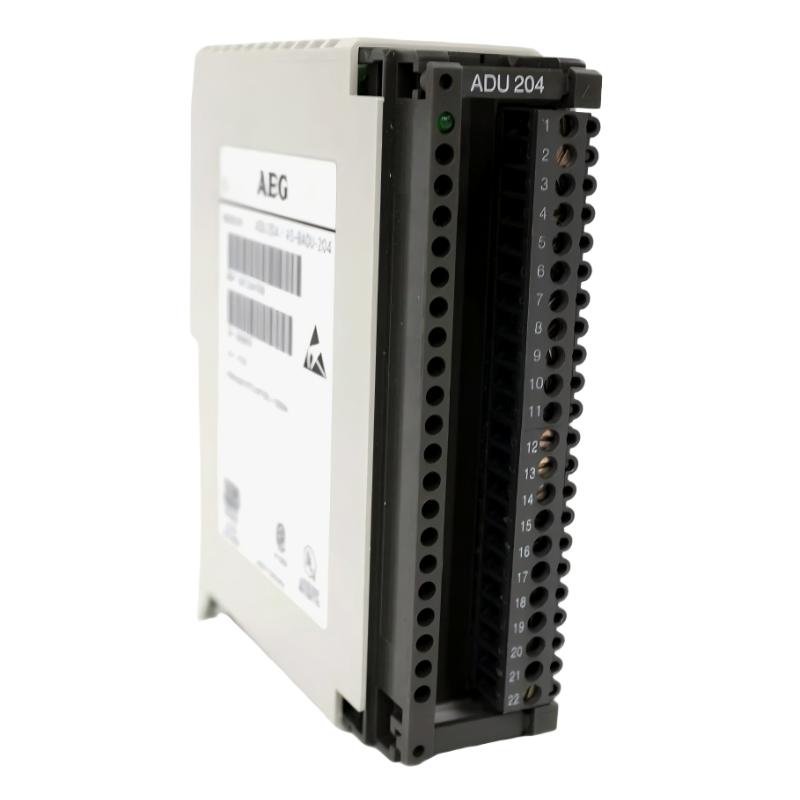
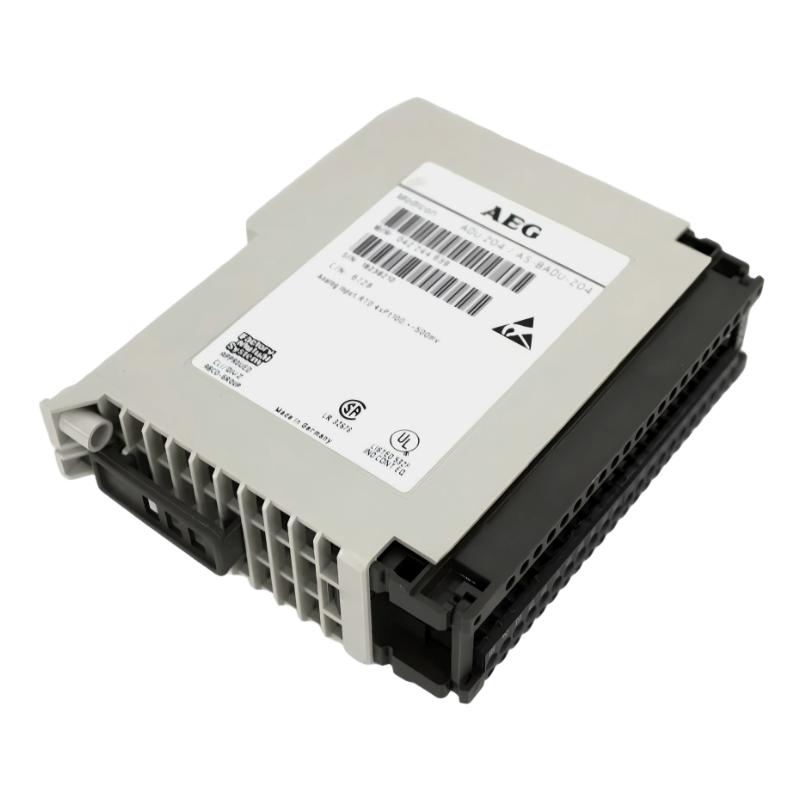
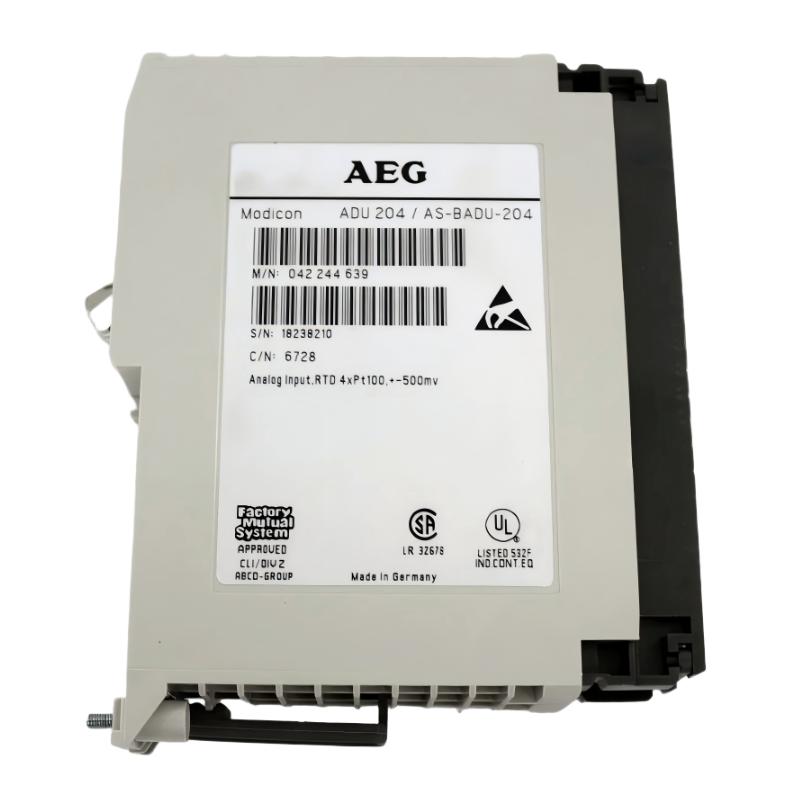
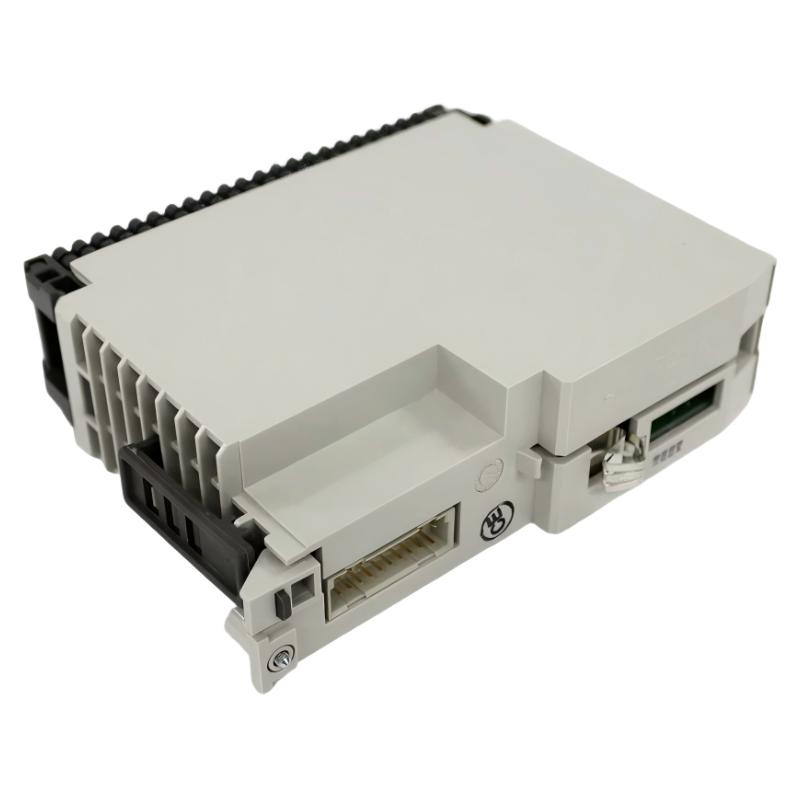
- Schneider
- ADU 204/AS-BADU-204
- Analog Input Module
- France
- 250 × 32 × 150 mm
- 0.3 kg
- Xiamen, China
- New & In Stock
- T/T, PayPal, Western Union
- 1 Year
- 1-3 Working Days
- DHL, UPS, TNT, FedEx and EMS.
- 24-Hour Service
- COO
- 100
Our advantage

Global Logistics
We have a 10-year logistics and express cooperation agreement, so our products can be shipped to any place in the world.

Brand new and original
Our products are imported in bulk from the place of origin. Because of the cooperative relationship, our products are all original and 100% new.

24-hour service
We provide 7*24 hours service to our customers. We will be there whenever you need us.

Price advantage
All our products are priced very favorably because we have our own warehouse and supply.
| Company Information | |||
| [email protected] | |||
| Mobile | +8615980777398 | ||
| +8615980777398 | |||
| 15980777398 |
Product Overview
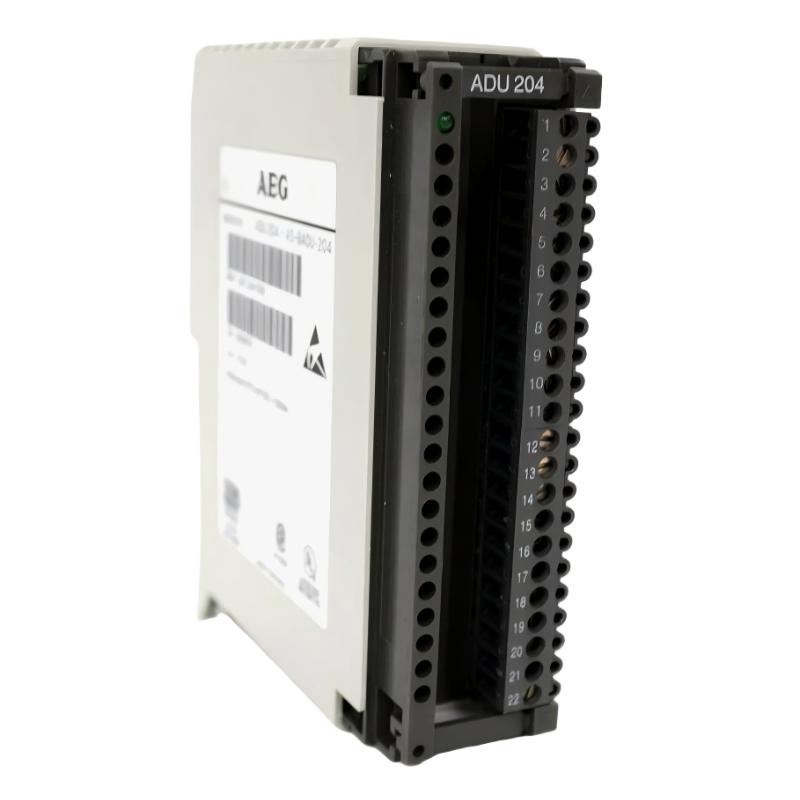
Accurate signal acquisition is critical for industrial automation and process control systems. The Schneider ADU 204 / AS-BADU-204 Analog Input Module is designed to collect and convert analog signals from sensors and field devices into precise digital data for PLCs and control systems.
This module ensures reliable monitoring of process parameters such as temperature, pressure, flow, and level, enabling operators to maintain optimal system performance. Its robust industrial-grade design allows seamless integration into automation networks, providing high accuracy and stability even in demanding environments.
Technical Specifications
| Parameter | Details |
|---|---|
| Manufacturer | Schneider Electric |
| Model | ADU 204 / AS-BADU-204 |
| Product Type | Analog Input Module |
| Function | Analog signal acquisition and conversion |
| Input Channels | 4 channels |
| Signal Type | Voltage / Current |
| Dimensions | 250 × 32 × 150 mm |
| Weight | 0.3 kg |
| Mounting Type | DIN Rail / Panel Mountable |
| Accuracy | High precision |
| Response Time | Fast signal processing |
| Environment | Industrial-grade |
| Application | Process control, automation systems |
Function and Working Principle
The ADU 204 / AS-BADU-204 collects analog signals from field devices such as sensors and transducers. Its primary functions include:
- Converting analog voltage or current signals into digital signals for PLCs or automation controllers
- Providing high-accuracy signal acquisition to support precise process control
- Filtering and stabilizing input signals to minimize noise and interference
- Fast processing of input data for real-time system monitoring
Once converted, the digital data is transmitted to the control system, enabling operators to monitor and control industrial processes effectively.
Role in Industrial Control Systems
This analog input module is a key component in Schneider automation systems, providing:
- Accurate signal acquisition from sensors and field devices
- Reliable monitoring of process parameters
- Data input for PLCs and distributed control systems (DCS)
- Integration into industrial control networks for automated process management
It ensures that industrial processes operate efficiently, safely, and with high precision.
Industrial Applications
The Schneider ADU 204 / AS-BADU-204 is widely used in:
- Process control systems in chemical, oil & gas, and petrochemical plants
- Power generation and distribution monitoring
- Water and wastewater treatment automation
- Manufacturing process monitoring
- HVAC and building automation systems
Its high accuracy and industrial-grade reliability make it suitable for critical automation applications.
Installation and System Integration
Proper installation ensures accurate and reliable operation:
- Mounted on DIN rails or inside control panels
- Connected to analog sensors and field devices
- Integrated into PLC or DCS networks
- Ensure proper grounding and wiring for signal integrity
- Follow manufacturer guidelines for environmental conditions and electrical connections
Correct installation ensures accurate data acquisition and protects the module from environmental and electrical disturbances.
Compatible System Components
The ADU 204 / AS-BADU-204 typically integrates with:
- Schneider PLCs and DCS controllers
- Analog sensors and transducers (temperature, pressure, flow, level)
- Industrial I/O modules and communication networks
- Control panel wiring and terminal blocks
These components work together to create a reliable and precise industrial automation system.
Recommended Alternative Models
| Model | Type | Key Feature | Application |
|---|---|---|---|
| ADU 208 | Analog Input Module | 8-channel analog input | High channel count systems |
| ADU 202 | Analog Input Module | 2-channel compact design | Small automation setups |
| AS-BADU-204D | Analog Input Module | Enhanced precision and filtering | Critical process control |
| ADU 204/AS-BADU-204 | Analog Input Module | Standard industrial-grade module | General automation systems |
Key Advantages
- Provides precise analog signal acquisition for industrial automation
- Converts voltage/current inputs into digital data for PLCs and control systems
- High accuracy and fast response time for real-time monitoring
- Compact and DIN rail compatible for flexible installation
- Durable and reliable in industrial environments
- Integrates seamlessly into automation networks for process control
Technical FAQs
What is the main function of the ADU 204 / AS-BADU-204?
It collects and converts analog signals from field devices into precise digital data for PLCs and automation systems.
Where is it typically used?
It is used in process control, manufacturing, power generation, and water/wastewater automation systems.
Can it handle multiple signal types?
Yes, it supports both voltage and current analog inputs.
Does it ensure accurate signal acquisition?
Yes, it provides high-precision conversion and signal filtering to minimize noise.
Conclusion
The Schneider ADU 204 / AS-BADU-204 Analog Input Module is a critical component for industrial automation, providing accurate and reliable analog signal acquisition. Its compact design, high precision, and industrial-grade durability make it ideal for process control, monitoring, and automation systems.
For engineers and system integrators, this module ensures precise data collection, real-time monitoring, and reliable operation of industrial control systems.