

ProductPRODUCT
Featured products
Contact Us
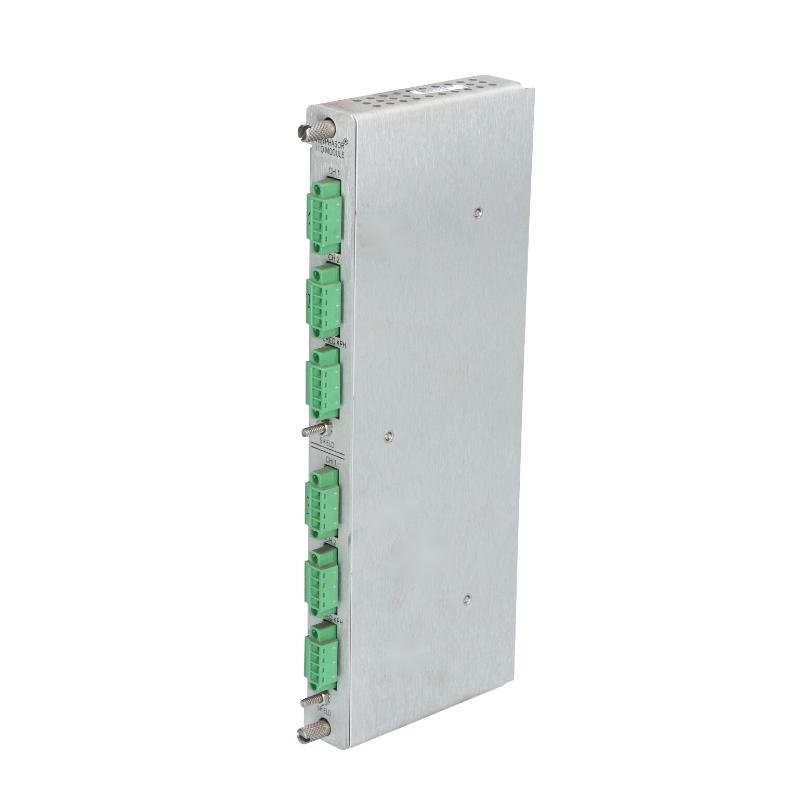
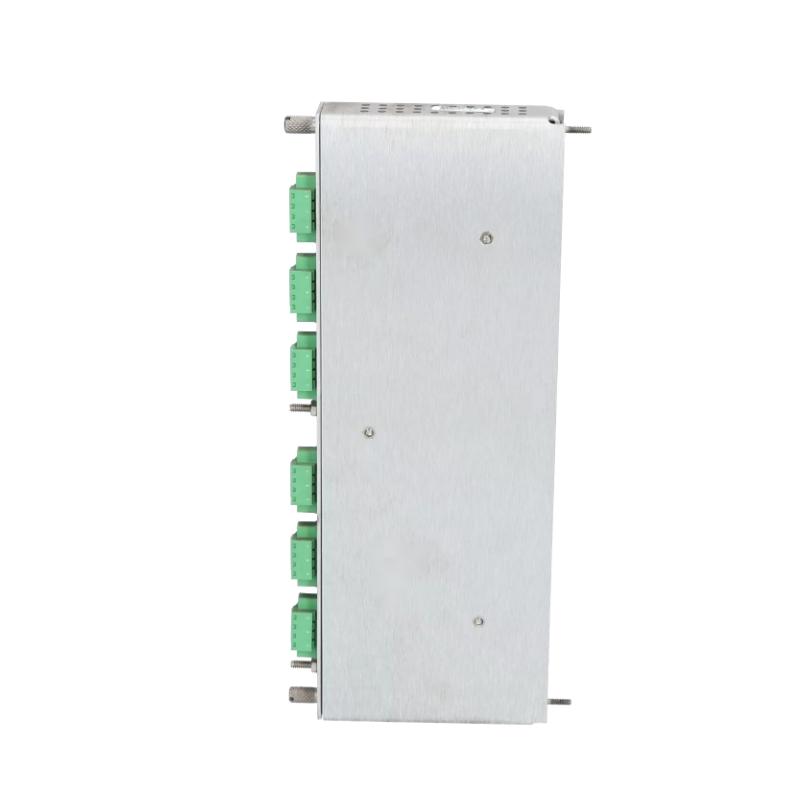
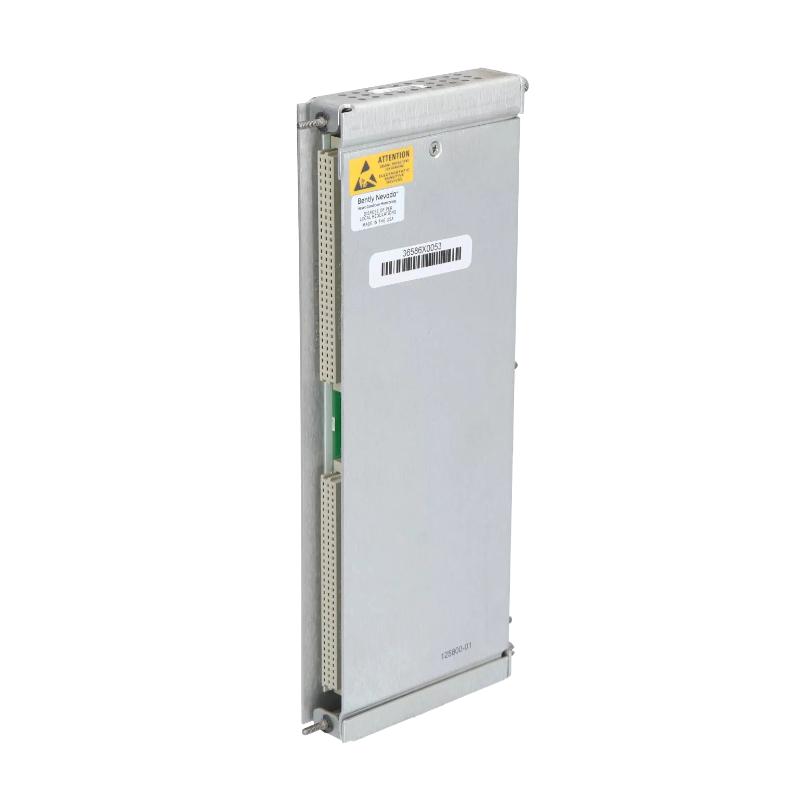
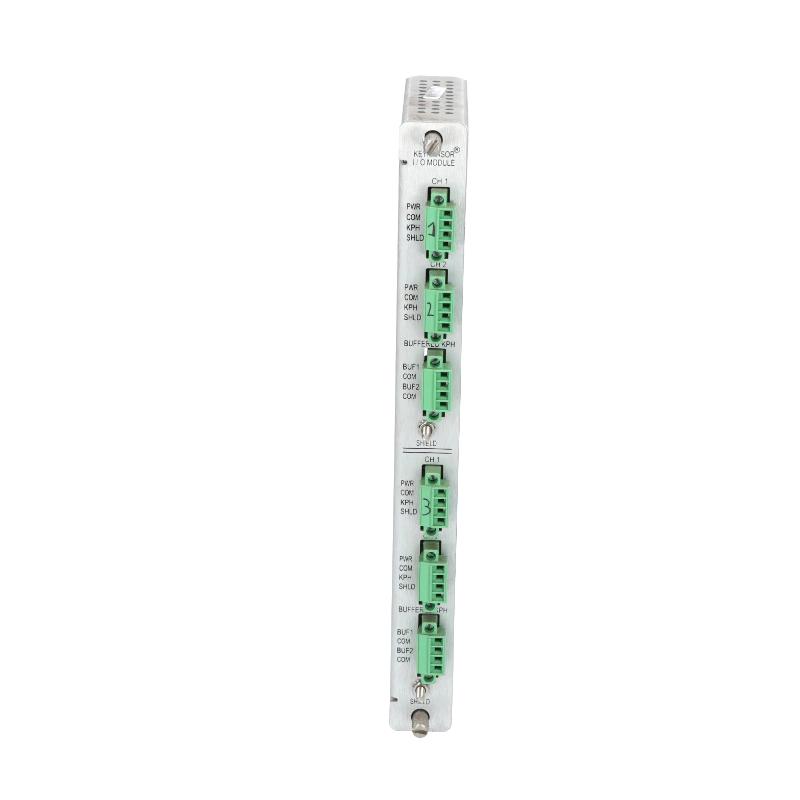
- Bently Nevada
- 140471-02
- I/O Module (Internal Terminal)
- USA
- 241.3 x 24.4 x 99.1 mm
- 0.2 kg
- Xiamen, China
- New & In Stock
- T/T, PayPal, Western Union
- 1 Year
- 1-3 Working Days
- DHL, UPS, TNT, FedEx and EMS.
- 24-Hour Service
- COO
- 191
Our advantage

Global Logistics
We have a 10-year logistics and express cooperation agreement, so our products can be shipped to any place in the world.

Brand new and original
Our products are imported in bulk from the place of origin. Because of the cooperative relationship, our products are all original and 100% new.

24-hour service
We provide 7*24 hours service to our customers. We will be there whenever you need us.

Price advantage
All our products are priced very favorably because we have our own warehouse and supply.
| Company Information | |||
| [email protected] | |||
| Mobile | +8615980777398 | ||
| +8615980777398 | |||
| 15980777398 |
Product Overview
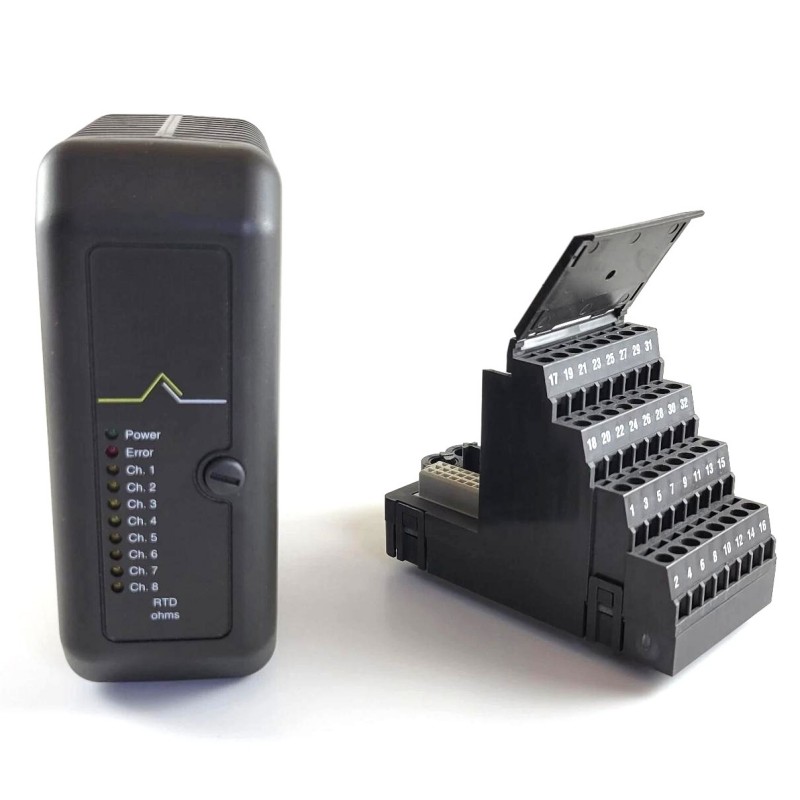
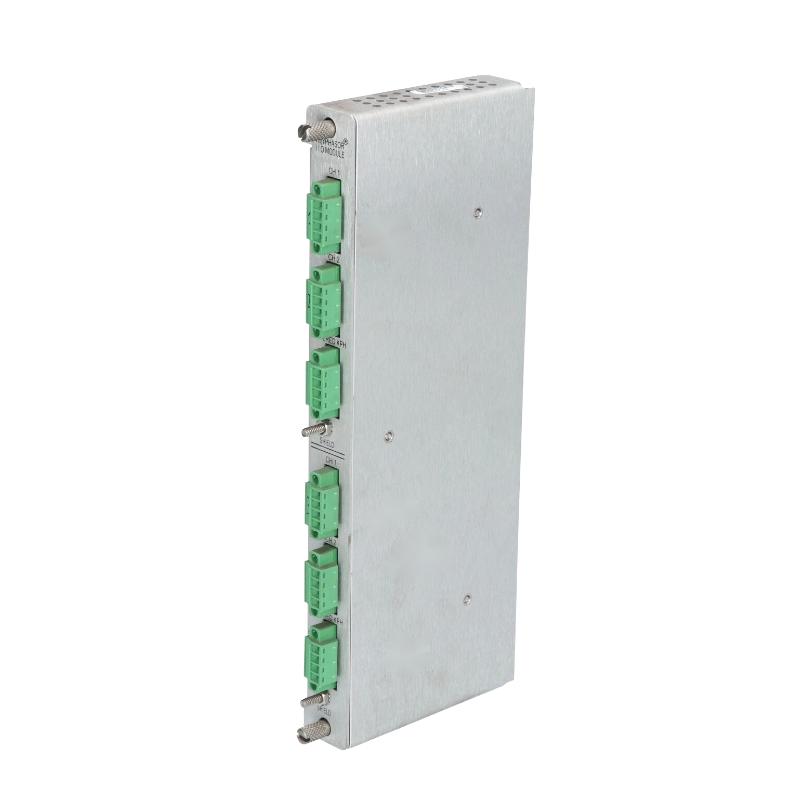
The Bently Nevada 140471-02 I/O Module (Internal Terminal) is a compact, highly reliable module used for signal processing and data acquisition in industrial monitoring systems. This module is part of the Bently Nevada suite of equipment designed to improve machine performance and health monitoring. By serving as an intermediary between field devices and central control systems, it ensures that vital data from sensors, such as vibration, temperature, and pressure readings, are accurately collected and transmitted for analysis.
With its robust design and versatile compatibility with various Bently Nevada systems, this I/O module plays a critical role in ensuring the efficient operation of industrial machinery and minimizing downtime by providing real-time data for condition monitoring and predictive maintenance.
Technical Specifications
| Parameter | Details |
|---|---|
| Manufacturer | Bently Nevada |
| Model | 140471-02 |
| Product Type | I/O Module (Internal Terminal) |
| Dimensions | 241.3 x 24.4 x 99.1 mm |
| Weight (Shipping) | 0.2 kg |
| Power Supply | 24 VDC |
| Output Type | Digital / Analog |
| Input Types | 4-20 mA, Voltage Inputs |
| Mounting Type | DIN Rail Mount |
| Operating Temperature Range | -40°C to +70°C |
| Protection Rating | IP20 (Indoor Use) |
| Compatible Systems | Bently Nevada 3300 Series, 3500 Series |
| Communication Protocol | Modbus RTU, HART Protocol |
Function and Working Principle
The Bently Nevada 140471-02 I/O Module functions as an interface between field devices (sensors and actuators) and a central control or monitoring system. Here’s how it works:
- Signal Conversion: The module receives signals from field devices like vibration sensors, temperature sensors, and pressure transducers. It converts these signals into a format that can be understood by the monitoring system.
- Real-Time Data Processing: The module processes incoming signals and outputs digital or analog data depending on the configuration. This data is then transmitted to the monitoring system for further analysis and decision-making.
- Communication: The module supports both Modbus RTU and HART protocols, allowing it to integrate seamlessly with central monitoring systems like SCADA, PLC, or DCS systems. This ensures that all real-time data from field devices is collected and displayed for operators.
- Alarming and Threshold Management: The module can be configured with alarm thresholds. When a process variable exceeds a set threshold, it will trigger an alarm or initiate specific actions, ensuring that critical parameters are continually monitored.
Role in Industrial Monitoring Systems
The 140471-02 I/O Module plays a critical role in ensuring real-time communication between field devices and central control systems. Its functions include:
- Signal Conditioning and Conversion: The module converts raw signals from sensors into a usable format for monitoring systems, providing accurate and reliable data to operators.
- Centralized Data Integration: The module serves as an intermediary between field sensors and central control systems, enabling real-time data acquisition and analysis.
- Predictive Maintenance: By continuously feeding vibration, temperature, and pressure data to the central system, the module helps with predictive maintenance strategies, allowing for timely interventions before equipment failures occur.
- Process Optimization: Continuous monitoring ensures that machinery operates within optimal conditions, helping to reduce wear and tear, improve performance, and extend equipment life.
Industrial Applications
The 140471-02 I/O Module is commonly used in industries where machine condition monitoring and real-time data acquisition are critical:
- Power Generation: Used to monitor vibration, temperature, and pressure in turbines, generators, and pumps, helping to prevent mechanical failure and optimize plant performance.
- Oil and Gas: Employed in offshore rigs and refineries to gather real-time data from various sensors, helping ensure the continuous operation of critical equipment.
- Manufacturing: Used on production lines and in robotic systems to monitor vibration, pressure, and temperature in real-time, ensuring high product quality and operational efficiency.
- Automotive: In testing and quality assurance setups, the module monitors key process variables in engines and other machinery to ensure performance standards are met.
- Aerospace: Integrated into engine monitoring systems to track vibrations and temperatures during testing, providing critical data for operational safety.
Installation and System Integration
The 140471-02 I/O Module is designed for ease of installation and integration into existing monitoring systems:
- Mounting: The module is designed for DIN rail mounting, making it easy to integrate into control panels or electrical cabinets. Ensure that the mounting surface is stable and in compliance with industry standards.
- Wiring: The module supports 4-20 mA or voltage inputs, making it compatible with a wide range of sensors. Ensure proper wiring to connect the module to field devices like temperature or vibration sensors.
- Power Connection: Connect the module to a 24 VDC power supply to ensure it functions correctly. Verify that the power source complies with the voltage and current requirements.
- Protocol Configuration: The module supports Modbus RTU and HART communication protocols, allowing seamless integration into SCADA, PLC, or DCS systems. Configure the communication settings to ensure proper data transmission.
- Calibration and Setup: After installation, calibrate the module for accurate signal processing. Adjust the threshold values for alarms or warnings as needed based on the specific machine conditions being monitored.
Compatible System Components
The 140471-02 I/O Module integrates seamlessly with a range of Bently Nevada products and industrial systems:
- Bently Nevada 3300 Series Vibration Monitoring Systems
- Bently Nevada 3500 Series Condition Monitoring Systems
- PLC Systems for process control and automation
- SCADA Systems for centralized monitoring and data analysis
Recommended Alternative Models
| Model | Type | Key Feature | Application |
|---|---|---|---|
| Bently Nevada 140471-03 | I/O Module | Higher number of input channels | For larger systems with more sensors |
| Bently Nevada 140471-04 | I/O Module | Integrated signal conditioning | Ideal for systems with noisy signals |
Key Advantages
- Signal Conditioning: Converts raw sensor signals into usable data for real-time monitoring and analysis.
- Flexible Protocol Support: Compatible with Modbus RTU and HART protocols for easy integration into various monitoring systems.
- Real-Time Monitoring: Provides real-time data collection, helping operators identify issues before they result in failure.
- Compact Design: With its DIN rail mounting and compact dimensions (241.3 x 24.4 x 99.1 mm), it’s easy to integrate into existing systems without requiring significant space.
- Reliability and Durability: Built for industrial environments with an IP20 protection rating, making it suitable for indoor use in demanding conditions.
Technical FAQs
What type of signals can the module handle?
The 140471-02 I/O Module can handle both analog signals (e.g., 4-20 mA or voltage inputs) and digital outputs for real-time data monitoring.
How does this module integrate into existing systems?
The module supports Modbus RTU and HART protocols, making it compatible with Bently Nevada 3300 Series and 3500 Series, as well as other SCADA, PLC, or DCS systems.
What is the power supply requirement for the module?
The module requires a 24 VDC power supply for proper operation.
Conclusion
The Bently Nevada 140471-02 I/O Module is an essential component for real-time data acquisition and signal processing in industrial condition monitoring systems. With its compact design, reliable performance, and compatibility with Bently Nevada systems, it offers accurate monitoring of machinery health and ensures timely interventions for predictive maintenance. By converting signals from sensors into usable data, the module plays a vital role in improving operational efficiency, reducing downtime, and optimizing maintenance strategies.