

ProductPRODUCT
Featured products
Contact Us
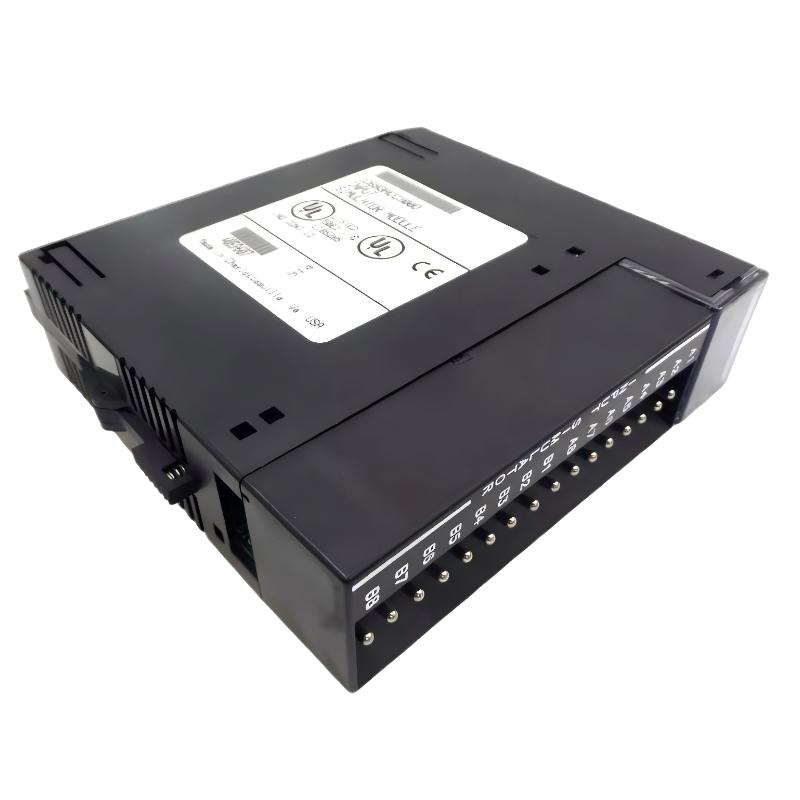
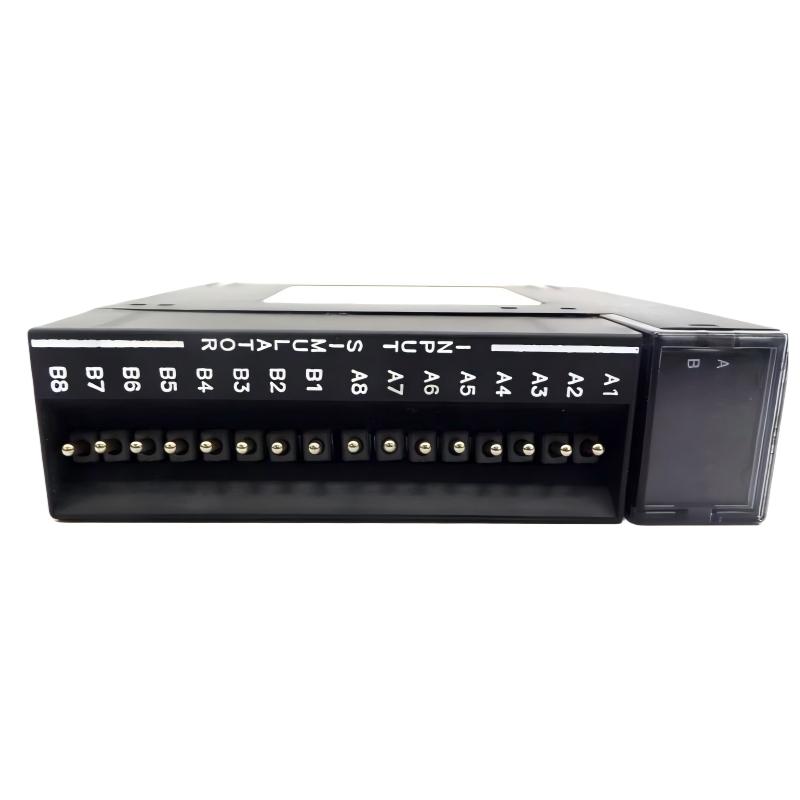
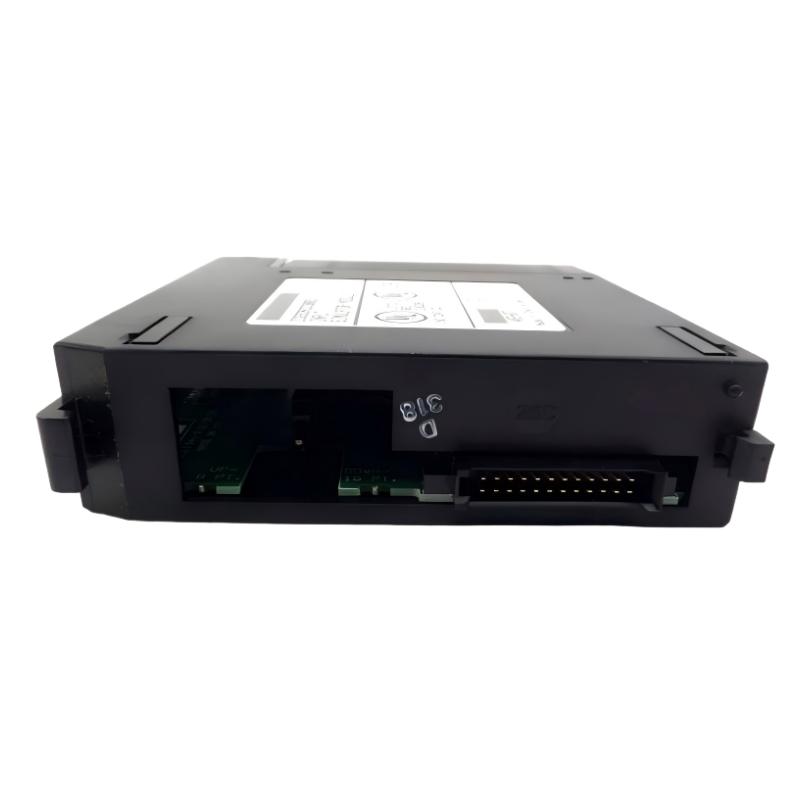
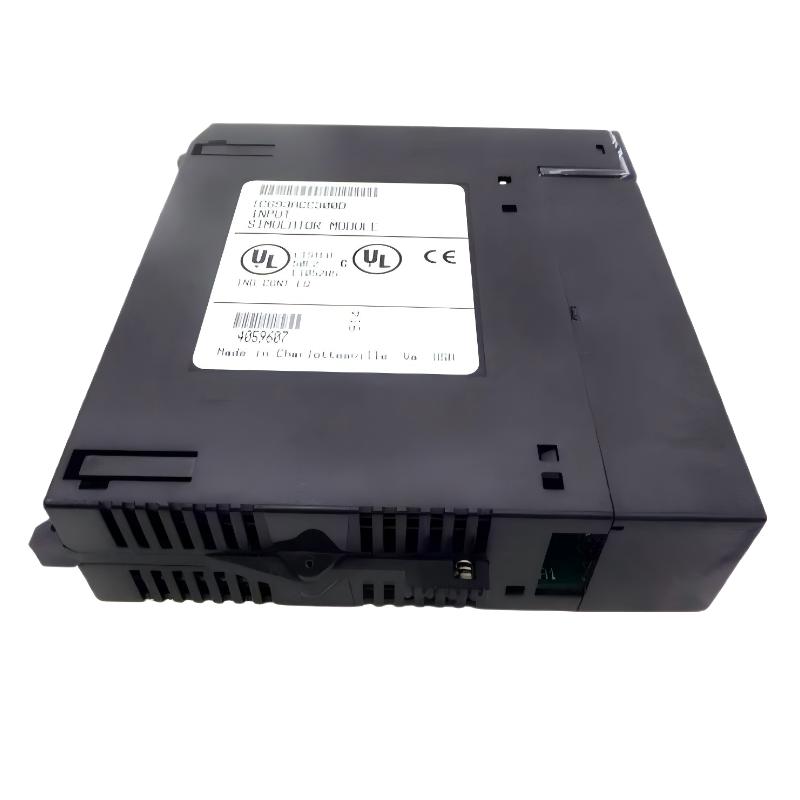
- GE
- IC693ACC300
- Input Simulator Module
- USA
- 110 x 66.8 x 125 mm
- 0.17 kg
- Xiamen, China
- New & In Stock
- T/T, PayPal, Western Union
- 1 Year
- 1-3 Working Days
- DHL, UPS, TNT, FedEx and EMS.
- 24-Hour Service
- COO
- 163
Our advantage

Global Logistics
We have a 10-year logistics and express cooperation agreement, so our products can be shipped to any place in the world.

Brand new and original
Our products are imported in bulk from the place of origin. Because of the cooperative relationship, our products are all original and 100% new.

24-hour service
We provide 7*24 hours service to our customers. We will be there whenever you need us.

Price advantage
All our products are priced very favorably because we have our own warehouse and supply.
| Company Information | |||
| [email protected] | |||
| Mobile | +8615980777398 | ||
| +8615980777398 | |||
| 15980777398 |
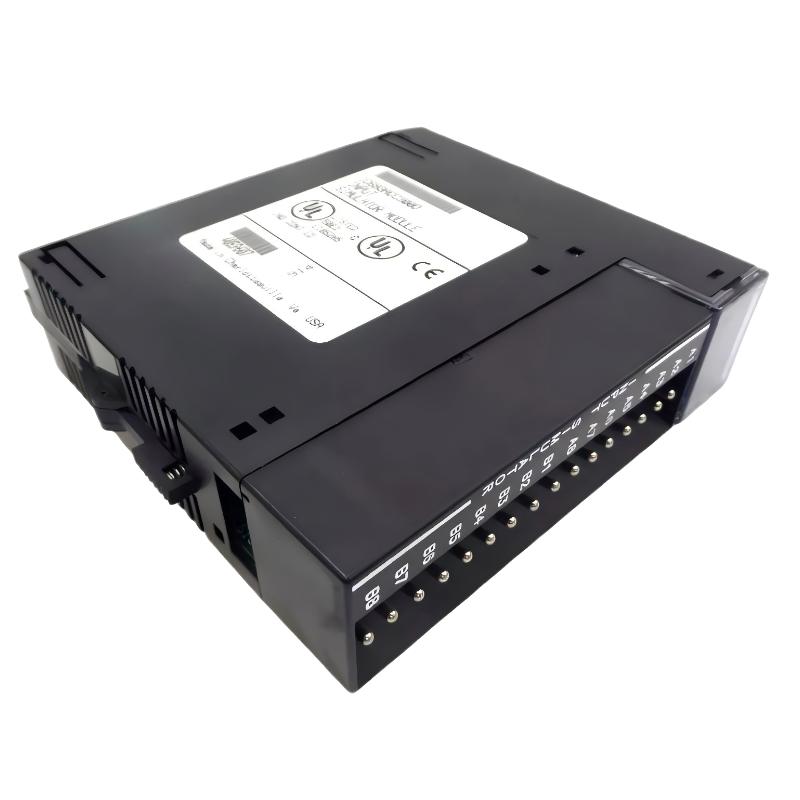
Product Overview
The GE IC693ACC300 Input Simulator Module is a specialized simulation component designed for the GE Series 90-30 PLC system. It is used to generate manual digital input signals without requiring real field devices, enabling engineers to test, debug, and validate PLC control logic in a safe and controlled environment.
This module is widely used in industrial automation commissioning, maintenance testing, and training systems where real input devices are not available or practical to connect.
Technical Specifications
| Parameter | Specification |
|---|---|
| Manufacturer | GE |
| Model | IC693ACC300 |
| Product Type | Input Simulator Module |
| System Series | GE Series 90-30 PLC |
| Function | Digital input signal simulation |
| Input Channels | 16-point simulated inputs (switch-based) |
| Control Method | Front-panel toggle switches (A1–A8 / B1–B8) |
| Indicator | LED status indication per channel |
| Input Voltage Range | 18 – 30 V DC |
| Backplane Power | 5 V DC system bus |
| Power Consumption | Approx. 120 mA max (all channels active) |
| Response Time | ~20–30 ms switching behavior |
| Isolation | Internal protection for signal stability |
| Mounting Type | PLC rack / baseplate mounted |
| Slot Compatibility | 5-slot / 10-slot Series 90-30 baseplate |
| Dimensions | 110 × 66.8 × 125 mm |
| Weight | 0.17 kg |
| Operating Temperature | 0°C to 55–60°C |
| Storage Temperature | -40°C to 85°C |
| Humidity | 5% – 95% non-condensing |
Function and Working Principle
The IC693ACC300 works by manually simulating digital input signals that would normally be provided by field devices such as sensors, switches, or relays.
Its working process includes:
- Each toggle switch represents a discrete input channel
- Switching ON/OFF generates a simulated electrical signal
- Signals are transmitted through the PLC backplane to the CPU
- PLC logic processes these inputs as real field conditions
This allows safe verification of ladder logic programs without connecting actual industrial equipment.
Role in Industrial Control Systems
Within GE Series 90-30 PLC architectures, the IC693ACC300 plays an important support role:
- Enables offline PLC program testing and validation
- Reduces dependency on physical field devices during commissioning
- Assists in troubleshooting and fault isolation
- Improves development efficiency in automation projects
- Supports operator and technician training environments
It is especially valuable in early-stage system integration and maintenance scenarios.
Industrial Applications
The GE IC693ACC300 is commonly used in:
- PLC program development and debugging
- Factory automation commissioning
- Industrial control system training setups
- Maintenance and troubleshooting operations
- Simulation of input conditions for system validation
- Process control testing environments
Installation and System Integration
Recommended installation practices include:
- Installing directly into GE Series 90-30 PLC rack systems
- Ensuring correct alignment with backplane connectors
- Verifying slot compatibility before insertion
- Using in controlled industrial cabinet environments
- Avoiding use as a replacement for real field inputs in production
Proper installation ensures accurate simulation performance and system stability.
Compatible System Components
The IC693ACC300 typically operates with:
- GE Series 90-30 CPU modules
- Digital input/output modules
- PLC baseplate and rack systems
- Industrial power supply modules
- Programming and diagnostic tools
- Expansion I/O systems
These components together form a complete PLC development and testing ecosystem.
Recommended Alternative Models
| Model | Type | Key Feature | Application |
|---|---|---|---|
| IC693ACC300 | Input Simulator | Standard 16-point simulation | PLC testing systems |
| IC693MDL645 | Digital Input Module | Real field signal acquisition | Production automation |
| IC693MDL740 | Input Module | High-density input handling | Large PLC systems |
| IC693CHS391 | Rack System | Modular PLC chassis | System expansion |
| IC693CPU364 | PLC CPU Module | Central processing unit | Control logic execution |
Key Advantages
- Enables safe simulation of PLC input signals
- Eliminates need for physical input devices during testing
- Improves commissioning efficiency
- Fully compatible with GE Series 90-30 systems
- Compact and lightweight design
- Ideal for training and maintenance environments
Technical FAQs
What is the main function of IC693ACC300?
It simulates digital input signals for GE PLC testing and debugging.
Does it require field wiring?
No, it operates using front-panel switches without external field connections.
Can it be used in production systems?
No, it is intended for testing, simulation, and training only.
Which PLC systems support it?
It is designed for GE Series 90-30 PLC platforms.
Conclusion
The GE IC693ACC300 Input Simulator Module is a practical and essential tool for PLC development, testing, and commissioning. It provides safe and efficient simulation of digital inputs, allowing engineers to validate control logic and improve system reliability before deploying real field devices.
For automation professionals, it offers a cost-effective solution to reduce downtime, simplify debugging, and enhance system development efficiency.