

ProductPRODUCT
Featured products
Contact Us
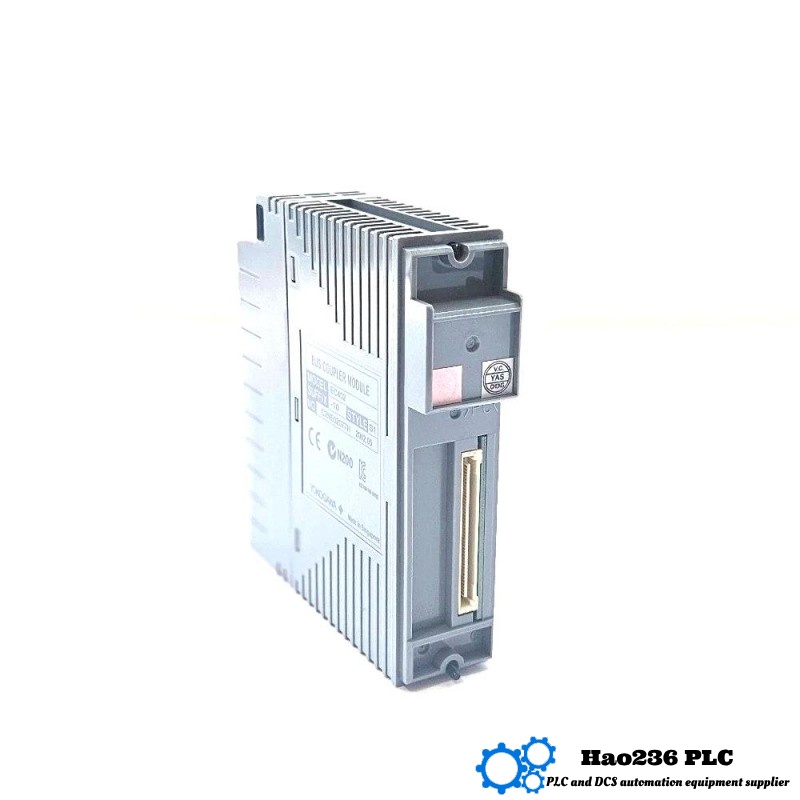
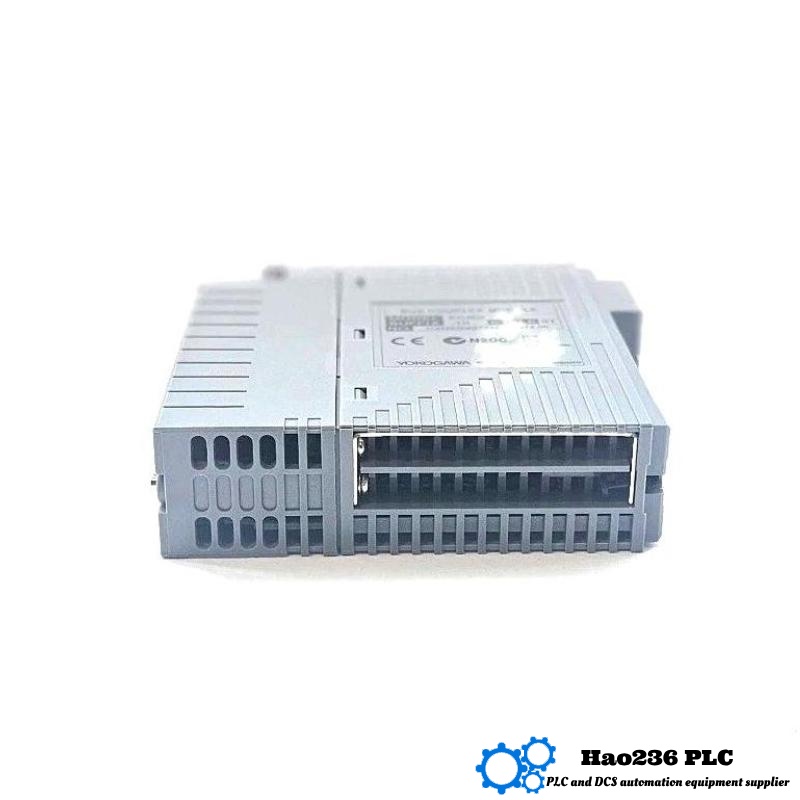
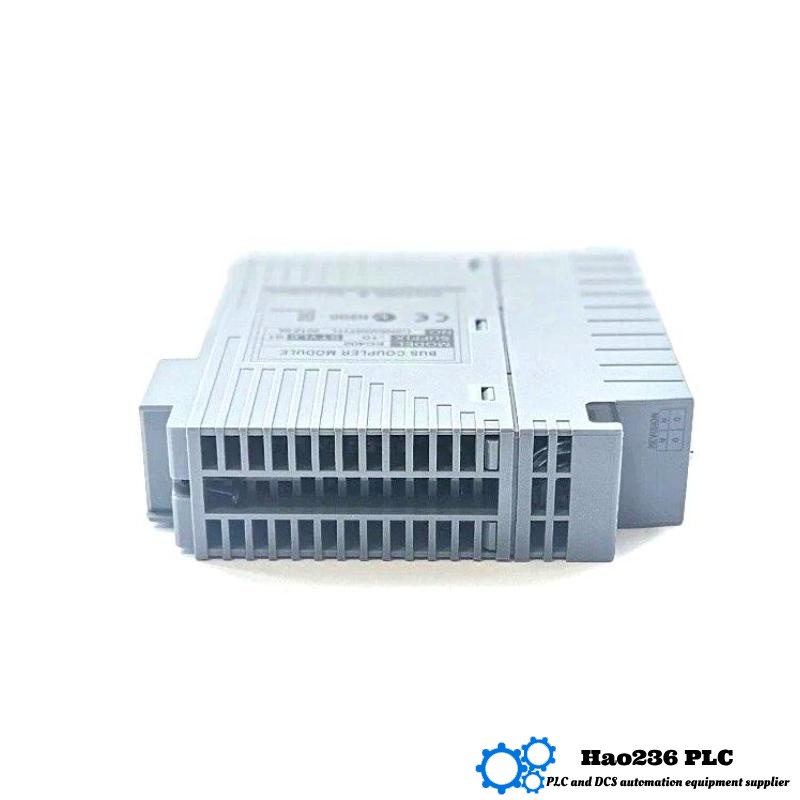
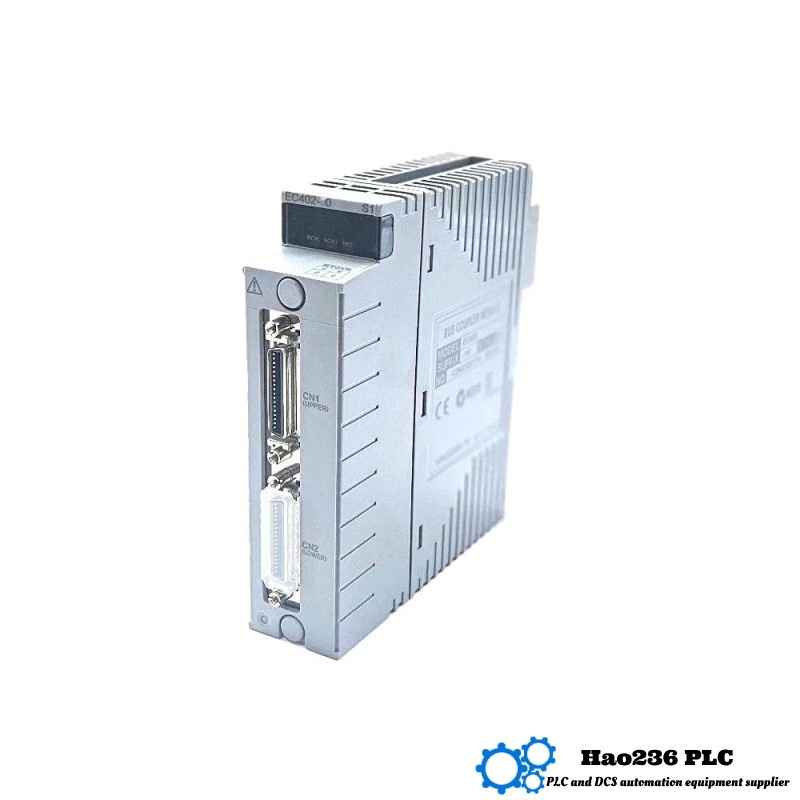
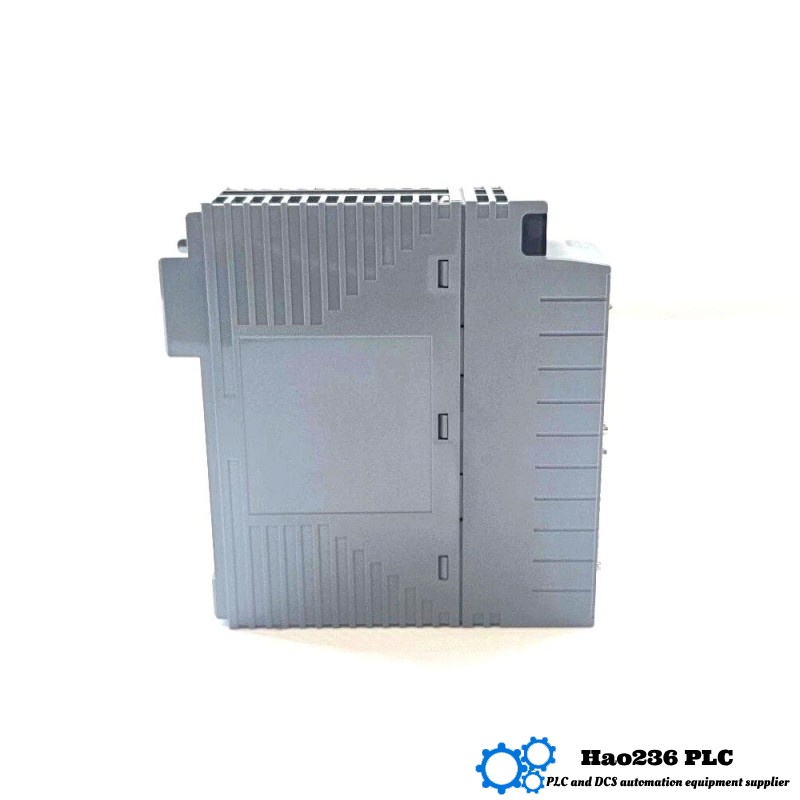
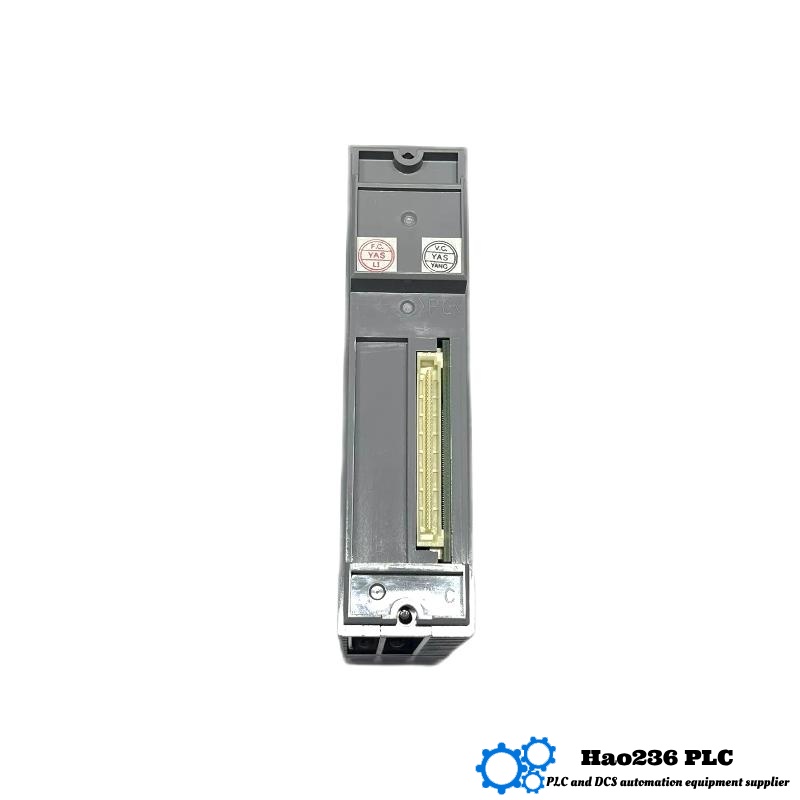
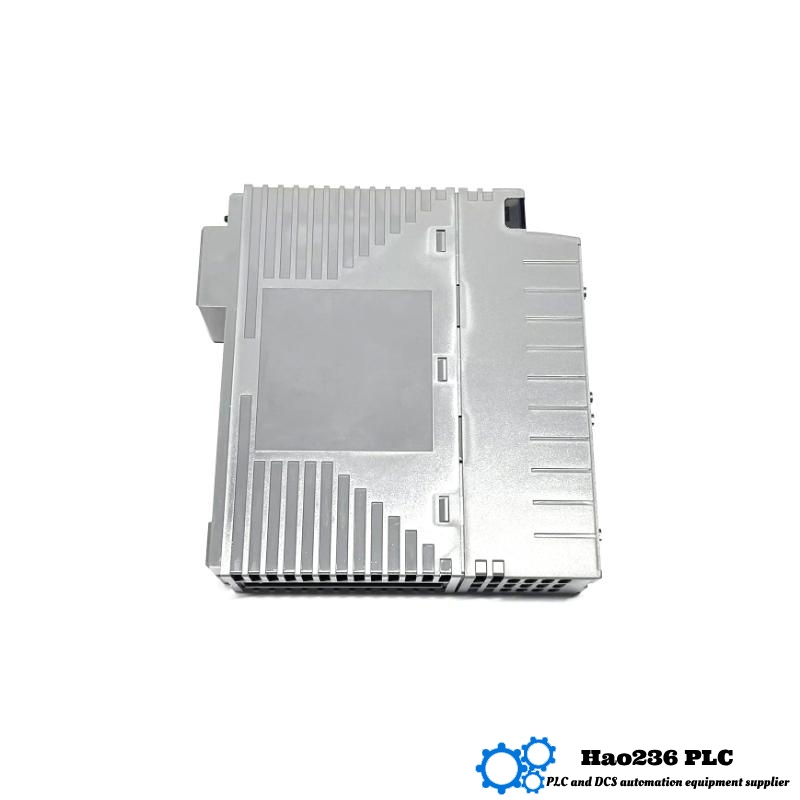
- Yokogawa
- EC402-50
- Bus Coupler Module (For N-IO/FIO, 2-Port) FCU
- Japan
- 130 × 129.5 × 32.8 mm
- 0.24kg
- Xiamen, China
- New & In Stock
- T/T, PayPal, Western Union
- 1 Year
- 1-3 Working Days
- DHL, UPS, TNT, FedEx and EMS.
- 24-Hour Service
- COO
- 350
Our advantage

Global Logistics
We have a 10-year logistics and express cooperation agreement, so our products can be shipped to any place in the world.

Brand new and original
Our products are imported in bulk from the place of origin. Because of the cooperative relationship, our products are all original and 100% new.

24-hour service
We provide 7*24 hours service to our customers. We will be there whenever you need us.

Price advantage
All our products are priced very favorably because we have our own warehouse and supply.
| Company Information | |||
| [email protected] | |||
| Mobile | +8615980777398 | ||
| +8615980777398 | |||
| 15980777398 |
Product Overview – EC402‑50
Introduction
The EC402‑50 is an ESB (Enhanced System Bus) Bus Coupler Module designed to link Field Control Units (FCUs) and Node Units in distributed control systems. It ensures fast, stable, and reliable communication—crucial in complex automation setups like CENTUM VP or CS 3000, helping data flow smoothly between field I/O and central control logic.
Brand & Series
-
Brand: Yokogawa
-
Series: EC Series — ESB Bus Coupler Modules for scalable DCS communication
Key Specifications
| Parameter | Specification |
|---|---|
| Model | EC402‑50 |
| Function | ESB Bus Coupler (interface FCU ↔ Node Units) |
| Power Supply | 24 V DC (via system backplane) |
| Operating Temperature | –10 °C to +55 °C |
| Storage Temperature | –40 °C to +85 °C |
| Humidity Range | 5 % to 95 % RH (non‑condensing) |
| Dimensions (W×H×D) | 130 × 129.5 × 32.8 mm |
| Weight | 0.24 kg |
| Communication Interface | Dual ESB ports (electrical/optical bus) |
| Node Capacity | Supports multiple node units per FCU |
| Features | LEDs for diagnostics; rugged design for field duty |
Applications
Ideal for use in:
-
Process automation (chemical, oil & gas, power generation)
-
FCU-based networks requiring robust bus communication
-
Redundant or high‑availability DCS designs
-
Harsh environments where space, reliability, and modularity matter
Advantages
-
Compact yet capable: Slim dimensions save tongue-melting panel space.
-
Reliable ESB linkage: Ensures seamless, low‑latency communication among nodes.
-
Dual-port design: Supports bus redundancy or convenient routing.
-
Solid diagnostics: LEDs help track status and faults instantly.
-
Rugged build: Performs across wide temperatures and humidity—built for industry rough-and-tumble.
Related or Compatible Models
| Model | Highlights & Differences | Dimensions (approx.) | Weight (kg) |
|---|---|---|---|
| EC402‑50 S1 | Redundant-capable variant for dual-bus FCU configurations | Same footprint, heavier | ~1.0 |
| EC402‑51 | Similar coupler supporting up to 13 nodes, 128 Mbps, 0.24 kg | Same compact size | 0.24 |
| EC402‑10 | Basic version supporting fewer nodes; compact | Smaller module | Light |
| EC401‑50 | Earlier coupler model; single-port, fewer connectivity | Similar dimensions | ~0.3 |
| ANB10D | Combined node and bus interface unit (field-use) | Larger form factor | ~0.5 |
Other Popular Yokogawa Modules
| Model | Functionality | Approx. Size | Weight (kg) |
|---|---|---|---|
| AAI143‑S50 | 16‑channel analog input module | DIN-rail friendly | ~0.3 |
| AAI543‑S50 | 16‑channel analog output module | Compact enclosure | ~0.4 |
| ADV151‑P00 | Fast-response digital output unit | Panel mount | ~0.35 |
| SDV144‑S53 | 16‑channel digital input with LED display | Slim module | ~0.3 |
| PW402 | System power supply module | Mid-size rack | ~0.9 |
Frequently Asked Questions (10 Q&A)
Q1: What is the main function of the EC402‑50?
A1: It acts as a communication link between FCUs and Node Units over the ESB bus in DCS systems.
Q2: What are its physical dimensions and weight?
A2: Measures 130 × 129.5 × 32.8 mm and weighs approximately 0.24 kg.
Q3: What power does it require?
A3: Powered by 24 V DC through the system’s backplane.
Q4: What environmental conditions can it operate under?
A4: Rated for –10 °C to +55 °C and up to 95 % non‑condensing humidity.
Q5: How many ESB ports does the module have?
A5: It includes two ESB ports, supporting redundancy or bus chaining.
Q6: What diagnostic features are included?
A6: Status LEDs for real-time fault and communication monitoring.
Q7: Which systems is it compatible with?
A7: Designed for CENTUM VP, CS 3000, and similar Yokogawa DCS platforms.
Q8: What types of environments is it best suited for?
A8: Industrial control rooms, panel installations, and environments where space and ruggedness are critical.
Q9: Is a larger, more capable version available?
A9: Yes—a heavier S1 variant provides redundancy support in a similar footprint.
Q10: What makes this module preferable in tight control cabinet spaces?
A10: Its compact size, modular design, and dual-port ESB capability make it highly space-efficient.