

ProductPRODUCT
Featured products
Contact Us
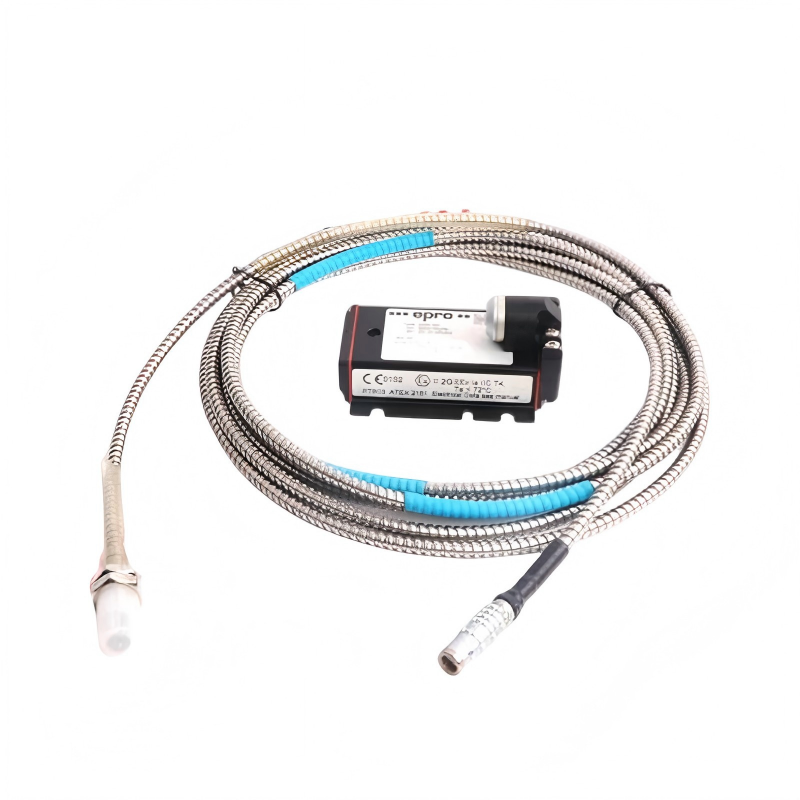
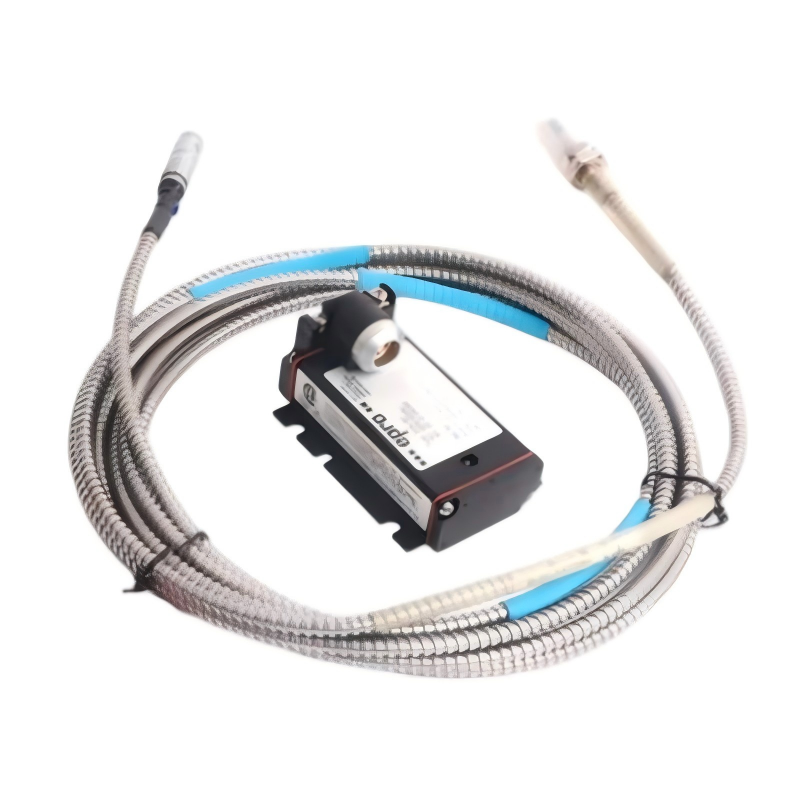
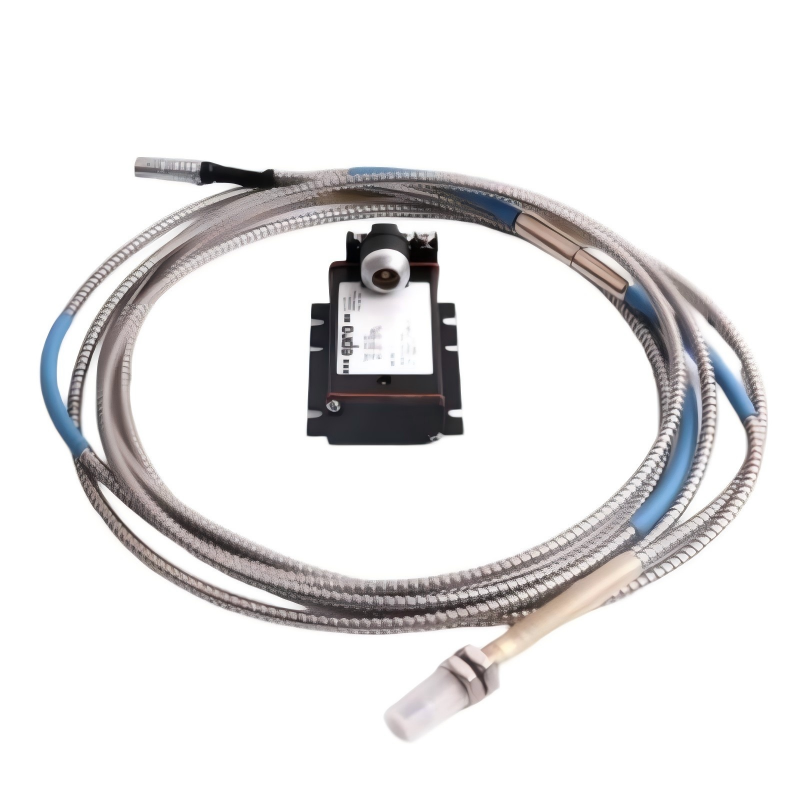
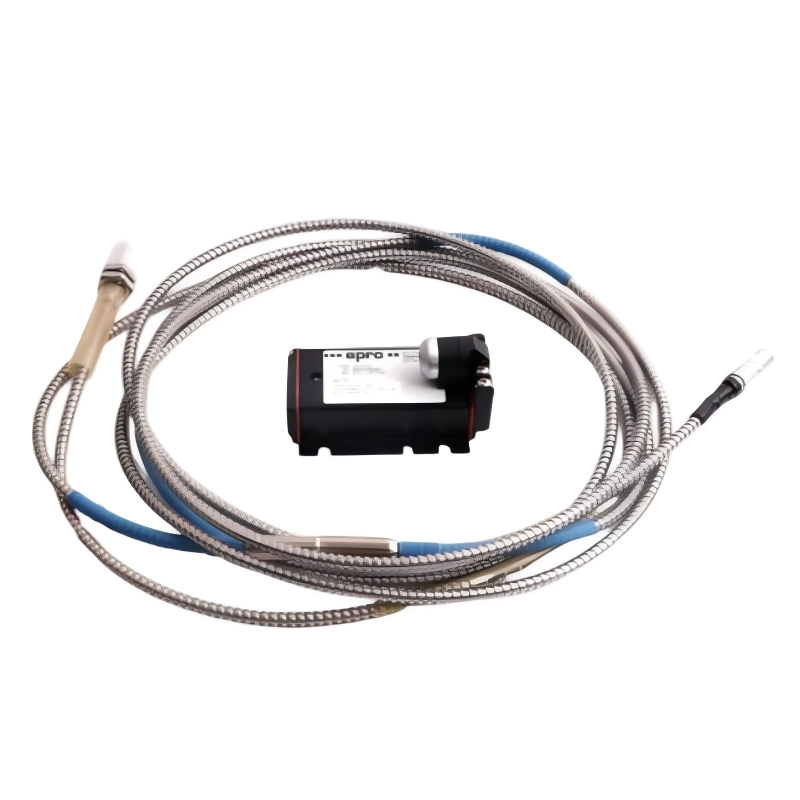
- Epro
- PR9600/014-000
- Eddy Current Sensor
- Germany
- Optional
- 3 kg
- Xiamen, China
- New & In Stock
- T/T, PayPal, Western Union
- 1 Year
- 1-3 Working Days
- DHL, UPS, TNT, FedEx and EMS.
- 24-Hour Service
- COO
- 8
Our advantage

Global Logistics
We have a 10-year logistics and express cooperation agreement, so our products can be shipped to any place in the world.

Brand new and original
Our products are imported in bulk from the place of origin. Because of the cooperative relationship, our products are all original and 100% new.

24-hour service
We provide 7*24 hours service to our customers. We will be there whenever you need us.

Price advantage
All our products are priced very favorably because we have our own warehouse and supply.
| Company Information | |||
| [email protected] | |||
| Mobile | +8615980777398 | ||
| +8615980777398 | |||
| 15980777398 |
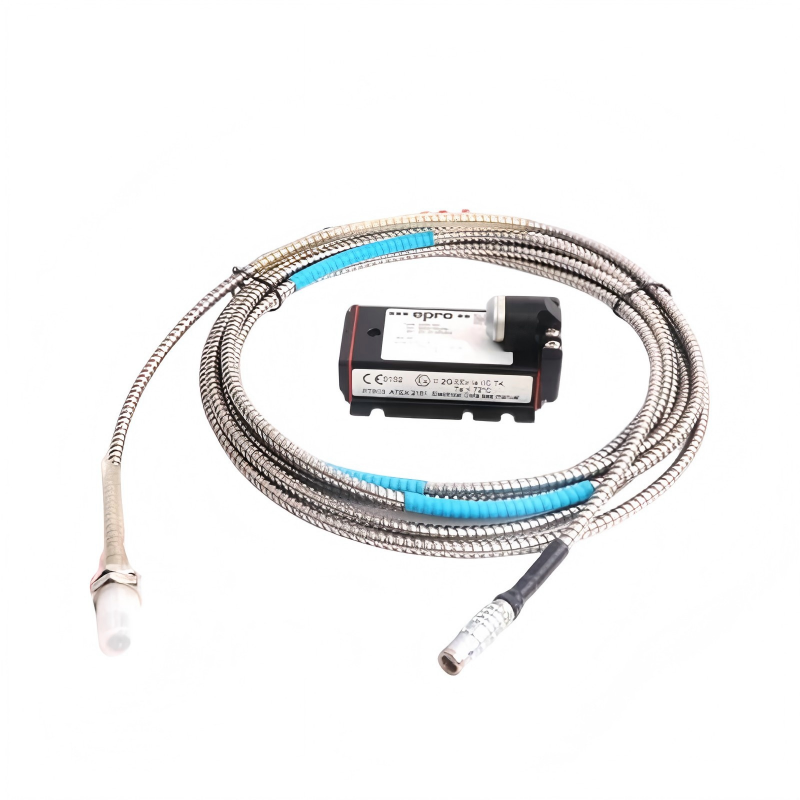
Product Overview
The Epro PR9600/014-000 is an industrial vibration sensor associated with the Epro PR9600 series. It is intended for machinery condition monitoring, where vibration information helps maintenance and engineering teams assess the operating condition of rotating equipment.
Vibration monitoring is an important part of industrial equipment protection. Motors, pumps, compressors, turbines, and other rotating machines generate mechanical vibration during operation. Changes in vibration behavior may indicate developing mechanical problems, including imbalance, misalignment, bearing deterioration, looseness, or abnormal operating conditions.
The PR9600/014-000 is identified in available product information as part of an electrodynamic absolute vibration sensor series. This distinction matters because an electrodynamic vibration sensor and an eddy-current displacement probe use different measurement principles and are not automatically interchangeable.
The sensor head diameter is listed as optional, so the required configuration should be confirmed when ordering. The supplied shipping weight is 3 kg. Since the exact mechanical and electrical specifications depend on the selected configuration, users should verify the applicable product documentation before installation or replacement.
Technical Specifications
| Parameter | Specification |
|---|---|
| Brand | Epro |
| Model | PR9600/014-000 |
| Product Series | PR9600 |
| Product Type | Electrodynamic Absolute Vibration Sensor |
| Measurement Purpose | Machinery vibration monitoring |
| Measurement Principle | Electrodynamic sensing, subject to exact configuration confirmation |
| Sensor Head Diameter | Optional |
| Shipping Weight | 3 kg |
| Product Application | Industrial machinery condition monitoring |
| Typical Equipment | Motors, pumps, compressors, turbines, rotating machinery |
Note: The sensor-head diameter is configuration-dependent. Confirm the exact probe design, mounting dimensions, electrical interface, output characteristics, and compatible monitoring equipment before purchasing.
Function and Working Principle
1. Vibration Measurement
An industrial vibration sensor detects mechanical movement and converts it into an electrical signal that can be processed by a monitoring instrument.
The resulting measurement provides information about machine vibration behavior. Maintenance personnel can use this information to identify changes from normal operating conditions and investigate possible mechanical deterioration.
2. Electrodynamic Sensing Principle
Electrodynamic vibration sensors generally use relative movement between a magnetic field and a coil to generate an electrical signal. The signal is related to the vibration velocity of the sensor’s moving system.
This measurement approach differs from an eddy-current probe, which uses electromagnetic induction to measure the distance between a probe and a conductive target.
The exact signal characteristics and connection requirements of the PR9600/014-000 should be confirmed from its matching technical documentation rather than assumed from another Epro sensor family.
3. Machinery Condition Assessment
Vibration information can help maintenance teams assess whether rotating equipment is operating within its expected mechanical condition.
A sustained increase in vibration, an unusual frequency component, or a change in the vibration pattern may justify further inspection. The sensor provides measurement information; fault diagnosis requires analysis of the signal together with machine speed, load, operating conditions, and historical trends.
Role in Industrial Control and Monitoring Systems
The PR9600/014-000 can be considered as a sensing component in an industrial machinery monitoring arrangement.
A typical monitoring architecture may include:
- Vibration sensor: Detects mechanical vibration.
- Signal conditioning equipment: Processes the sensor signal where required.
- Monitoring module: Receives and evaluates the measurement.
- Control or protection system: Displays alarms and initiates configured responses.
- Operator interface: Presents operating status and diagnostic information.
The sensor should be matched to the input requirements of the monitoring instrument. Signal type, sensitivity, supply requirements, connector arrangement, and measurement range must be confirmed before integration.
A sensor designed for one measurement principle should not be connected to an input intended for another without verifying compatibility.
Industrial Applications
1. Turbine Monitoring
Turbines operate under demanding mechanical conditions. Vibration monitoring can help operators observe changes in rotating assembly behavior and support maintenance planning.
2. Motor Condition Monitoring
Electric motors are widely used in industrial production. Vibration measurements can help identify mechanical changes associated with imbalance, misalignment, bearing wear, and mounting problems.
3. Pumping Systems
Industrial pumps may experience vibration changes caused by bearing deterioration, cavitation, hydraulic instability, or mechanical misalignment. Monitoring provides additional information for maintenance decisions.
4. Compressor Equipment
Compressors often operate continuously or under changing process loads. Vibration monitoring can support condition assessment and help maintenance teams investigate abnormal mechanical behavior.
5. General Rotating Machinery
The sensor may be considered for suitable rotating machinery monitoring applications where its measurement characteristics match the monitoring system. The exact machine compatibility must be established from the product documentation.
Installation and System Integration
Correct installation is essential for obtaining reliable vibration measurements.
1. Confirm the Sensor Configuration
Before installation, verify the complete model number and selected sensor-head diameter. Confirm the mechanical mounting arrangement, cable connection, and monitoring-system compatibility.
2. Check the Mounting Location
Select a mounting location that provides a representative measurement of the machine’s vibration. The mounting surface should be mechanically stable and suitable for the sensor design.
Avoid loose mounting, damaged surfaces, or installation positions that may introduce unwanted measurement errors.
3. Verify Electrical Connections
Check the sensor’s connector type, cable requirements, signal characteristics, and monitoring-system input specifications. Do not assume that wiring from another Epro sensor model is suitable.
4. Configure the Monitoring Instrument
Set up the receiving instrument according to the sensor’s documented sensitivity and signal characteristics. Confirm measurement units, scaling, alarm thresholds, and monitoring ranges.
5. Commission the Measurement
After installation, compare the measured vibration with the expected operating condition. Check for abnormal signal fluctuations, loose connections, and interference. Record baseline readings under known machine operating conditions.
Compatible System Components
| Component | Function | Verification Required |
|---|---|---|
| Vibration monitoring module | Receives and processes sensor signals | Input type and signal compatibility |
| Signal conditioner | Adapts the sensor signal where required | Signal characteristics and electrical requirements |
| Monitoring system | Evaluates machinery condition | Supported sensor type and measurement range |
| Industrial cable assembly | Connects sensor to monitoring equipment | Connector, cable specification, and length |
| PLC or control system | Coordinates alarms and machine responses | Interface and signal conversion requirements |
| Operator interface | Displays measurements and alarms | Correct scaling and engineering units |
Compatibility should be confirmed using the exact PR9600/014-000 documentation. Similar-looking Epro sensors may use different measurement principles or electrical interfaces.
Alternative Models and Replacement Considerations
When replacing the PR9600/014-000, the alternative should be selected according to the measurement principle and monitoring-system requirements.
| Alternative Category | Consideration |
|---|---|
| Another PR9600 series sensor | Confirm the exact model configuration and mechanical compatibility |
| Epro electrodynamic vibration sensor | Compare measurement range, sensitivity, mounting, and output characteristics |
| Epro eddy-current displacement sensor | Not automatically interchangeable; uses a different measurement principle |
| Other industrial vibration sensor | Verify signal type, sensitivity, frequency response, and monitoring-system compatibility |
Before approving a replacement, compare the complete model number, sensor-head configuration, mounting arrangement, connector, cable, signal characteristics, and monitoring-system input.
Key Advantages
- Condition monitoring support: Provides vibration information for industrial machinery assessment.
- Rotating equipment applications: Suitable for consideration in machinery monitoring arrangements when correctly matched.
- Configuration flexibility: Sensor-head diameter is listed as optional.
- Maintenance assistance: Vibration trends can help identify changes that require mechanical inspection.
- System integration potential: Can be incorporated into a suitable monitoring architecture after electrical and signal compatibility checks.
Technical FAQs
1. What is the Epro PR9600/014-000?
It is a sensor associated with the Epro PR9600 series and identified in available product information as an electrodynamic absolute vibration sensor.
2. Is the PR9600/014-000 an eddy-current sensor?
Available PR9600 series information identifies it as an electrodynamic absolute vibration sensor. It should not be treated as a conventional eddy-current displacement probe without model-specific documentation confirming otherwise.
3. What does this sensor measure?
It is intended for vibration measurement in industrial machinery monitoring applications. Confirm the exact measurement range and output characteristics from the applicable technical documentation.
4. Is the sensor-head diameter fixed?
The supplied product information lists the sensor-head diameter as optional. Confirm the required diameter and mechanical configuration when ordering.
5. What is the shipping weight?
The supplied shipping weight is 3 kg. This is a shipping specification and should not be interpreted as the sensor’s net weight.
6. Can it be used with a PLC?
It may be integrated into a PLC-based monitoring arrangement through compatible signal-conditioning or monitoring equipment. Direct connection should only be made when the PLC input matches the sensor’s electrical output requirements.
7. Can it replace an Epro PR6424 eddy-current probe?
Not automatically. The PR6424 family is associated with eddy-current displacement measurement, while the PR9600 series is identified as electrodynamic vibration sensing. Their measurement principles and interfaces differ.
8. What should be checked before installation?
Verify the exact model, sensor-head diameter, mounting arrangement, cable and connector, signal characteristics, and receiving instrument compatibility.
9. What can cause unstable vibration readings?
Potential causes include loose mounting, cable or connector problems, electrical interference, incorrect signal conditioning, and unsuitable measurement locations. Check the complete measurement chain before concluding that the sensor is defective.
10. What information is needed when ordering a replacement?
Provide the full model number, required sensor-head diameter, mounting details, connector information, and the monitoring-system model. These details help prevent configuration mismatches.
Procurement and Maintenance Recommendations
When sourcing the Epro PR9600/014-000, verify the full model number and the required sensor-head diameter. Request confirmation of the sensor’s measurement principle, mounting arrangement, electrical interface, and compatibility with the existing monitoring equipment.
For replacement projects, compare the original sensor documentation with the proposed replacement. Do not select a substitute based only on the Epro brand or the general description of vibration sensor.
During maintenance, inspect the mounting point, cable, connector, and sensor housing. Check for mechanical looseness, corrosion, physical damage, and cable deterioration. Maintain records of baseline vibration measurements and investigate significant changes in the measured trend.
The supplied shipping weight is 3 kg and should be used for shipping planning only. Confirm the actual package dimensions and logistics weight with the supplier before dispatch.
Conclusion
The Epro PR9600/014-000 is associated with the PR9600 series of electrodynamic absolute vibration sensors and is intended for industrial machinery condition monitoring. Its application may include monitoring rotating equipment such as motors, pumps, compressors, and turbines, provided that its exact configuration matches the monitoring system.
The sensor-head diameter is optional, and the supplied shipping weight is 3 kg. Because the PR9600 series classification differs from that of conventional eddy-current displacement probes, verifying the measurement principle and interface is particularly important when selecting, installing, or replacing this sensor.