

ProductPRODUCT
Featured products
Contact Us
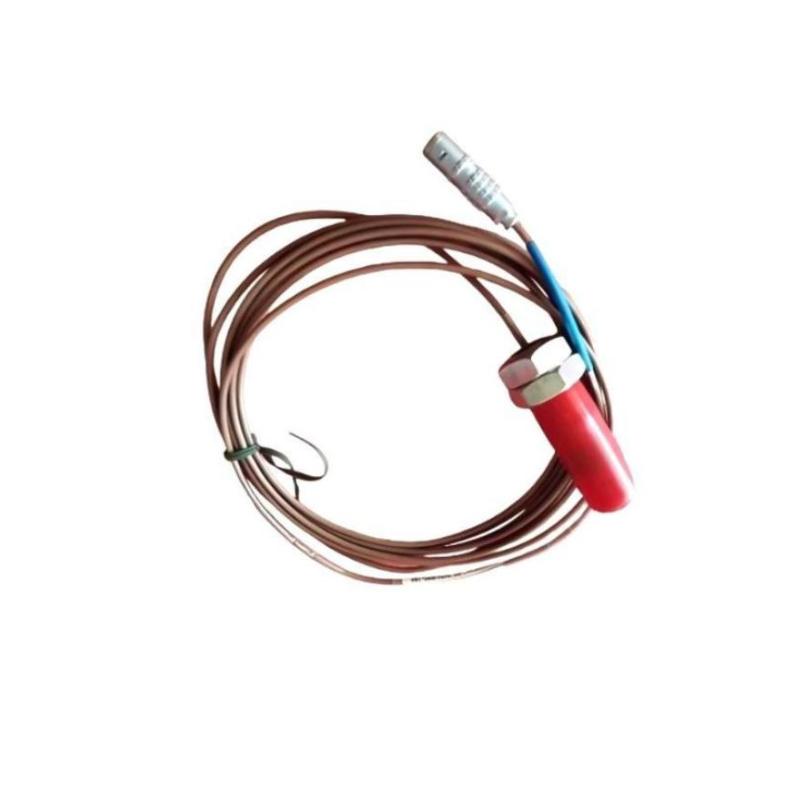
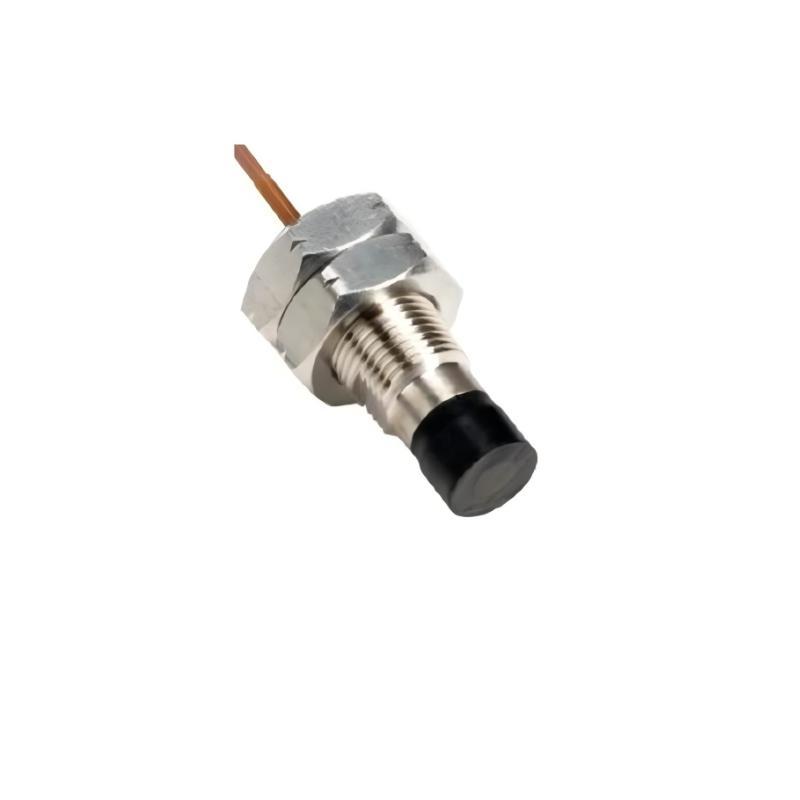
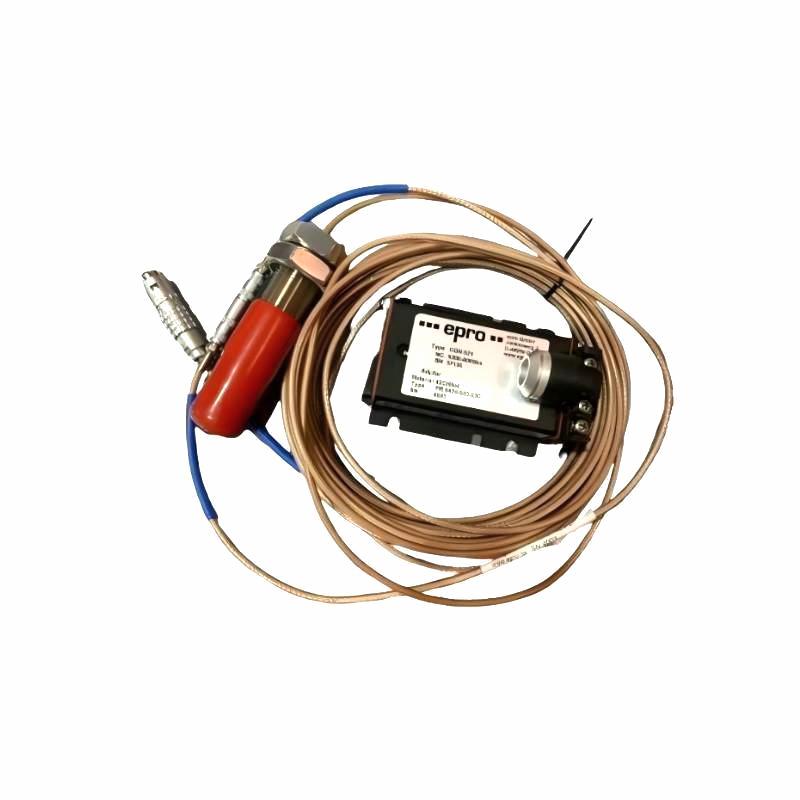
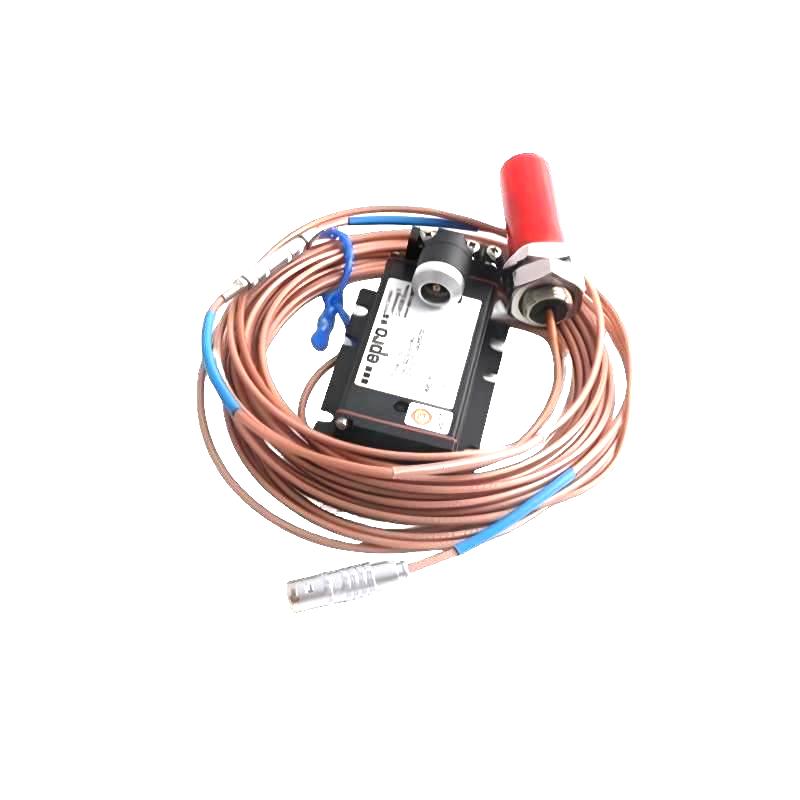
- Epro
- PR6424/104-101
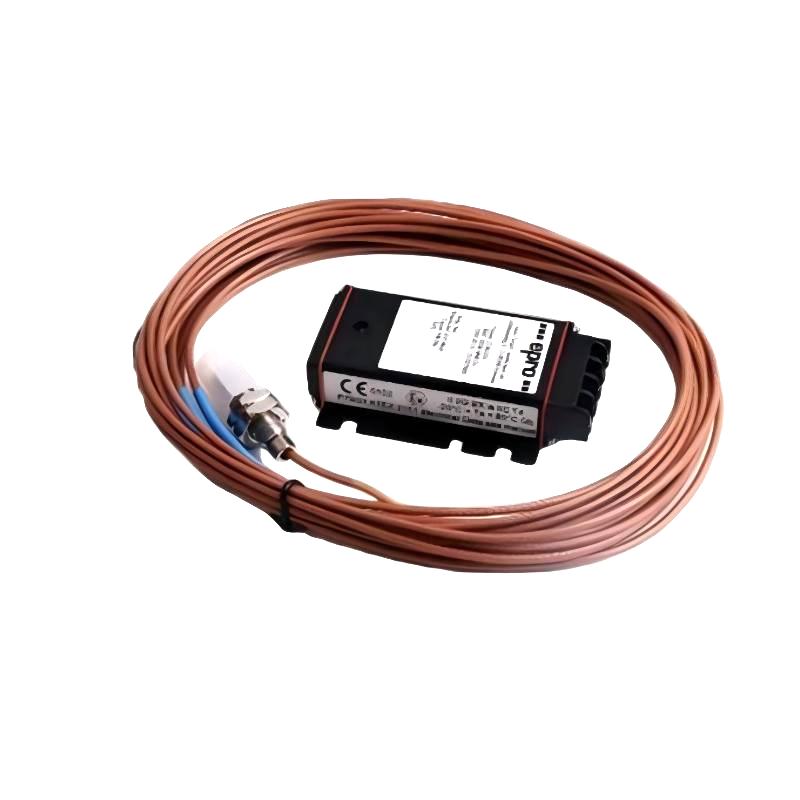
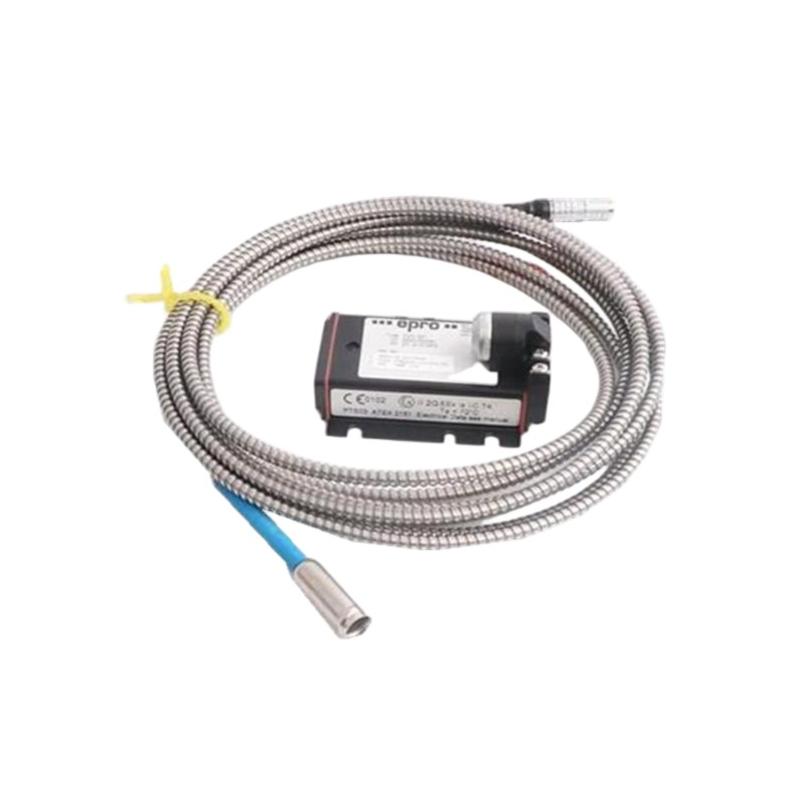
- 16 mm Eddy Current Sensor
- Germany
- 16 mm
- 0.2 kg
- Xiamen, China
- New & In Stock
- T/T, PayPal, Western Union
- 1 Year
- 1-3 Working Days
- DHL, UPS, TNT, FedEx and EMS.
- 24-Hour Service
- COO
- 2
Our advantage

Global Logistics
We have a 10-year logistics and express cooperation agreement, so our products can be shipped to any place in the world.

Brand new and original
Our products are imported in bulk from the place of origin. Because of the cooperative relationship, our products are all original and 100% new.

24-hour service
We provide 7*24 hours service to our customers. We will be there whenever you need us.

Price advantage
All our products are priced very favorably because we have our own warehouse and supply.
| Company Information | |||
| [email protected] | |||
| Mobile | +8615980777398 | ||
| +8615980777398 | |||
| 15980777398 |
Product Overview
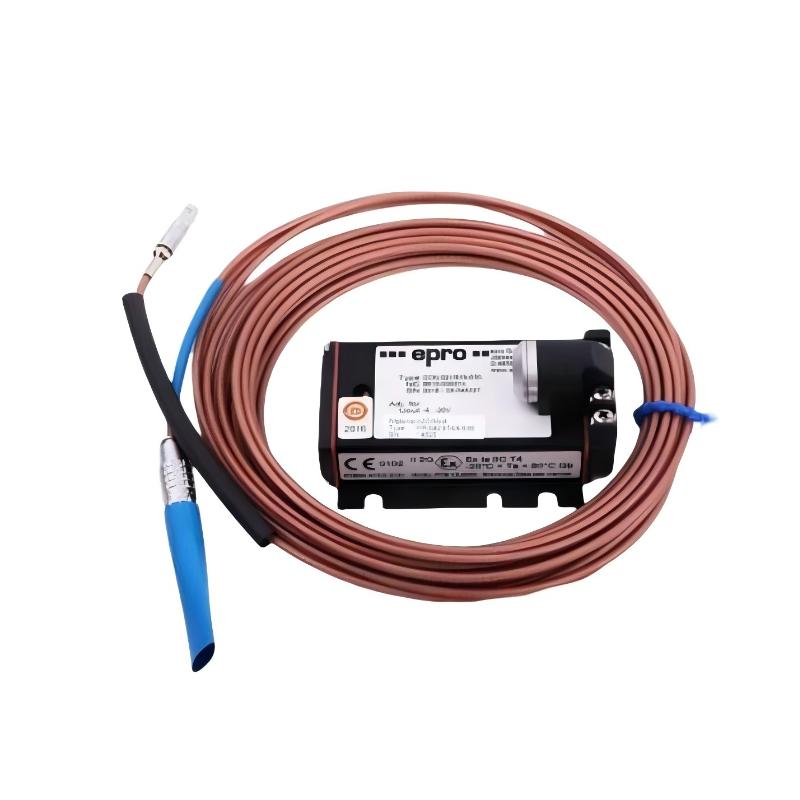
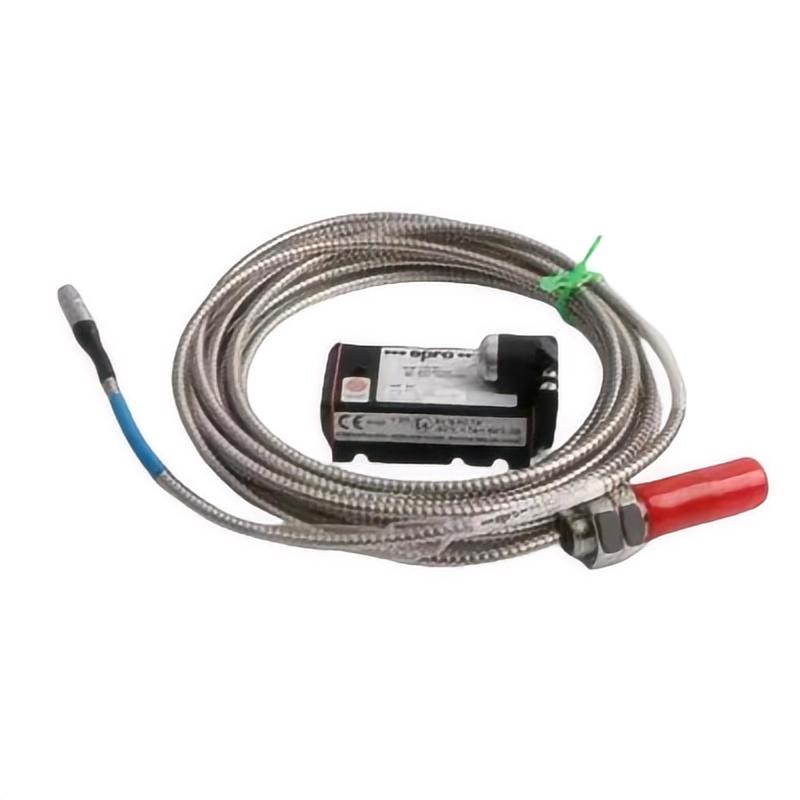
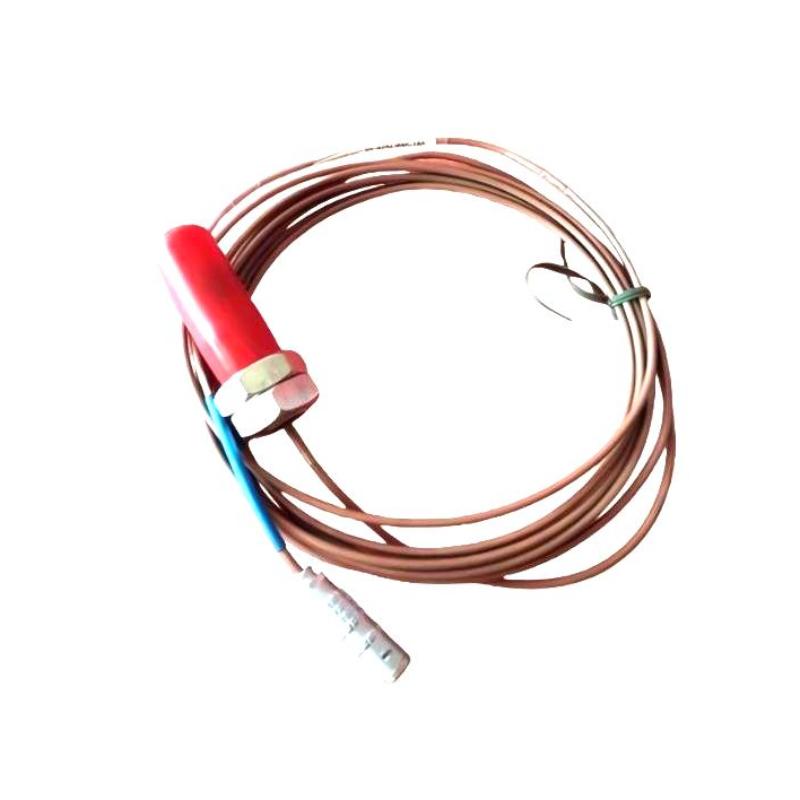
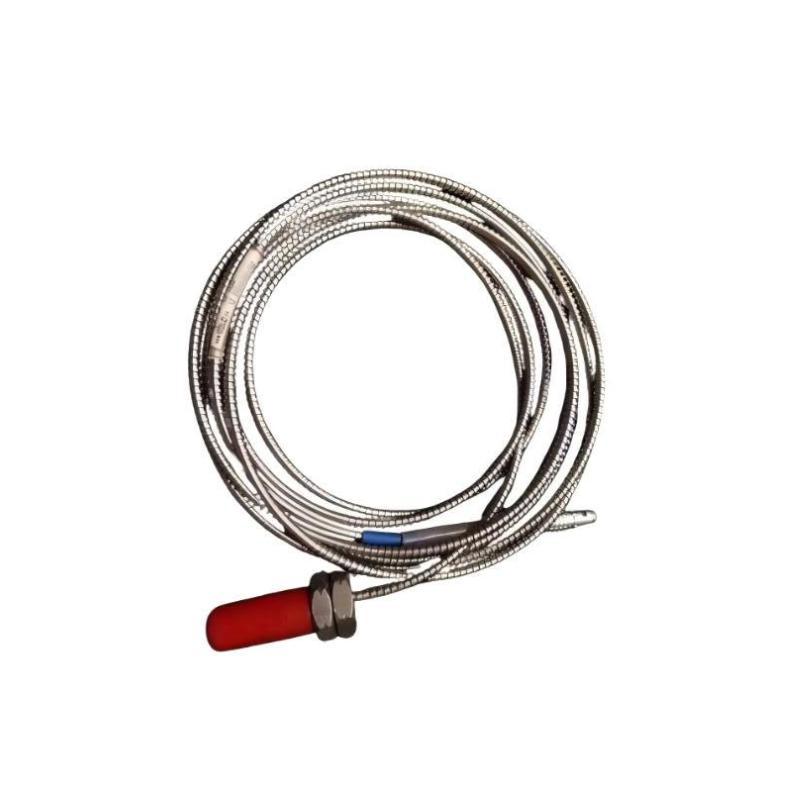
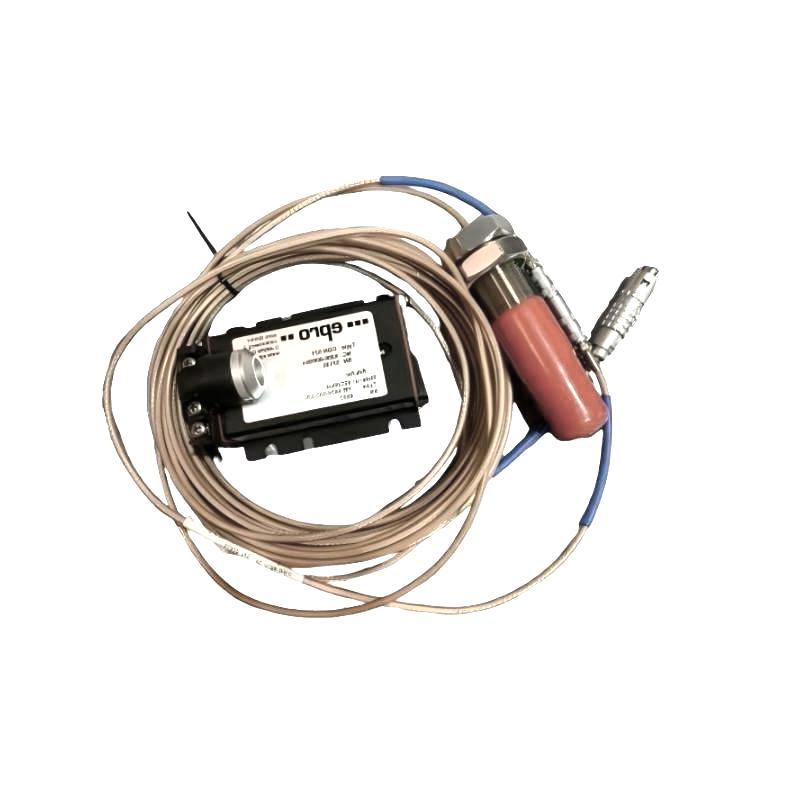
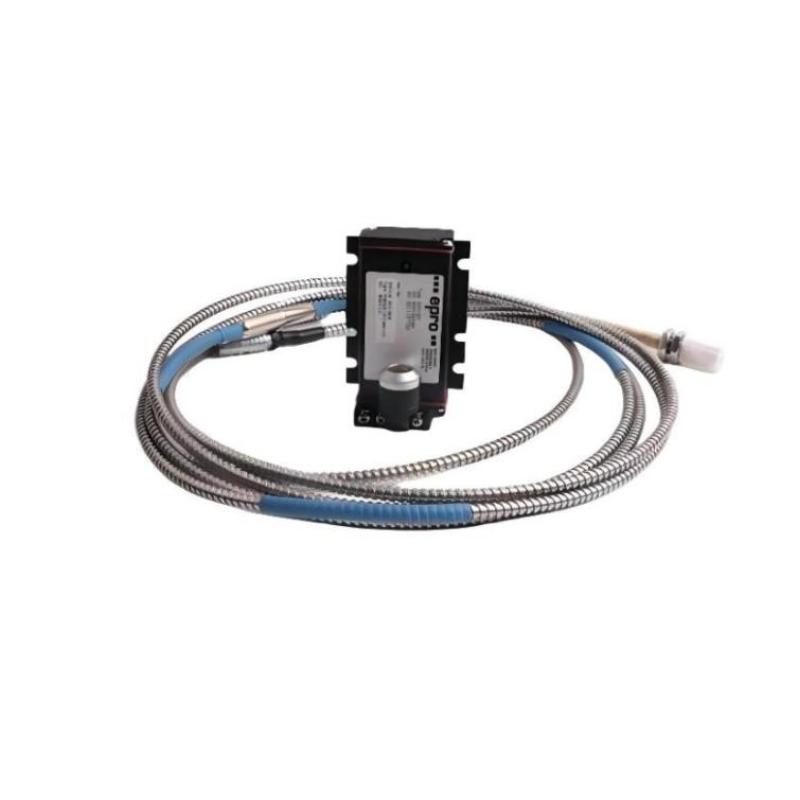
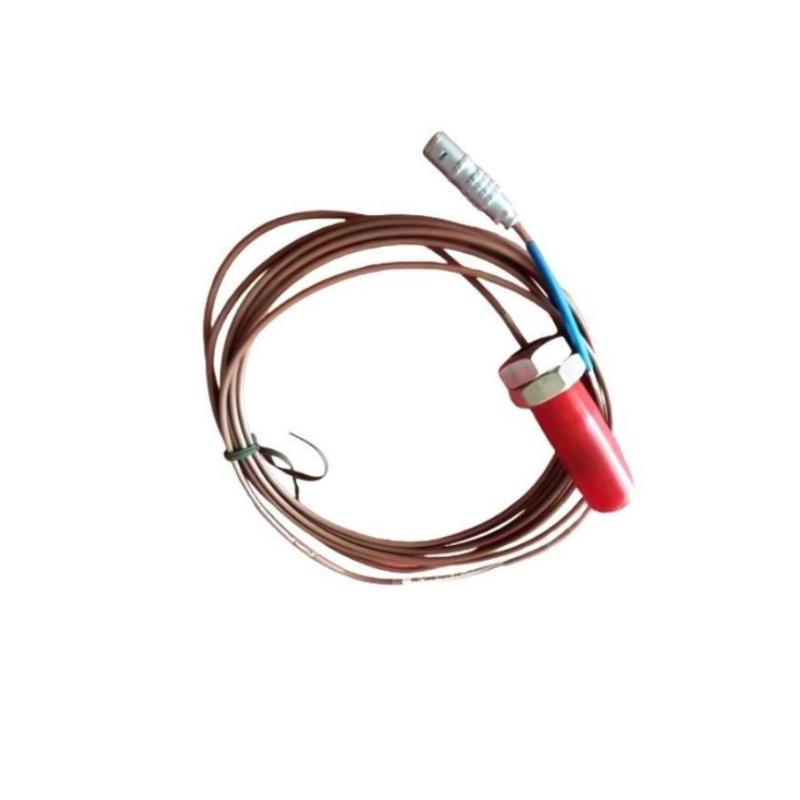
The Epro PR6424/104-101 16 mm Eddy Current Sensor is a non-contact displacement and vibration measurement probe designed for monitoring the operating condition of critical rotating machinery. Manufactured under the EPRO product line associated with Emerson, the PR6424 series is commonly used in machinery protection and condition-monitoring systems for turbines, compressors, pumps, fans, and other industrial rotating equipment.
Unlike contact-type measuring devices, an eddy current sensor measures the distance between its sensing tip and a conductive target without requiring physical contact. This makes it suitable for applications where continuous shaft movement, vibration, and small changes in mechanical position must be monitored during operation.
The PR6424 series uses electromagnetic induction to detect changes in the distance between the probe and a ferromagnetic target. When connected to a compatible signal converter, the sensor’s electrical response can be processed into a measurement signal representing shaft displacement or vibration.
The PR6424/104-101 belongs to the 16 mm sensor family. Its sensor head diameter is 16 mm, making it suitable for installations requiring a relatively compact probe while maintaining a measurement range appropriate for large rotating machinery.
Typical measurement applications include radial shaft vibration, axial displacement, shaft position, eccentricity, and speed-related monitoring. These measurements can help maintenance personnel identify changes in machine behavior before they develop into more serious mechanical problems.
The sensor is particularly relevant to machinery protection systems where continuous monitoring is important for operational reliability. It can be integrated with compatible EPRO signal converters and monitoring equipment, provided that the probe, cable, connector, and converter configuration are correctly matched.
Technical Specifications
| Parameter | Specification |
|---|---|
| Brand | Epro / EPRO |
| Manufacturer | Emerson |
| Model | PR6424/104-101 |
| Product Series | PR6424 |
| Product Type | 16 mm Eddy Current Sensor |
| Measurement Principle | Non-contact eddy current |
| Sensor Head Diameter | 16 mm |
| Typical Sensitivity | 4 V/mm |
| Sensitivity Linearity | ±1.5% |
| Static Measurement Range | ±2.0 mm |
| Dynamic Measurement Range | 0–1,000 μm |
| Nominal Center Air Gap | Approximately 2.7 mm |
| Long-Term Drift | Less than 0.3% |
| Reference Target Material | Ferromagnetic steel |
| Standard Reference Material | 42CrMo4 steel |
| Recommended Shaft Diameter | 80 mm or greater |
| Sensor Sleeve Material | Stainless steel |
| Cable Insulation Material | PTFE |
| Operating Temperature | Depends on the exact sensor configuration |
| Sensor Head Pressure Resistance | 10,000 hPa (145 psi), series specification |
| Shock and Vibration Reference | 5 g at 60 Hz and 25°C |
| Sensor Head Diameter | 16 mm |
| Weight | 0.2 kg |
Note: The measurement values describe the PR6424 16 mm sensor family. Confirm the exact cable length, connector arrangement, mounting thread, and temperature rating of the PR6424/104-101 before installation or replacement.
Function and Working Principle
The PR6424/104-101 operates using the eddy current measurement principle. This technology allows the probe to measure the distance between its sensing tip and a conductive metal surface without direct mechanical contact.
1. Electromagnetic Induction
The sensor contains an electromagnetic coil near its sensing tip. When the associated electronic system energizes the coil, it generates an alternating electromagnetic field.
When a conductive target, such as a rotating steel shaft, enters this field, electrical currents known as eddy currents are induced in the target surface. These currents influence the electromagnetic characteristics of the probe.
The resulting change in the probe’s electrical response is related to the distance between the sensor tip and the target.
2. Shaft Displacement Measurement
As a rotating shaft moves relative to the sensor, the air gap changes. The sensor detects these variations and produces an electrical response that can be processed by a compatible signal converter.
This allows the measurement system to monitor shaft movement in the radial or axial direction.
Radial displacement measurements are commonly used to evaluate shaft vibration, while axial measurements help identify changes in the shaft’s longitudinal position.
3. Vibration Monitoring
A rotating shaft may experience vibration due to imbalance, misalignment, bearing wear, looseness, or other mechanical conditions.
The PR6424 sensor can detect small changes in the distance between the probe and the shaft surface. When connected to suitable monitoring equipment, these changes can be used to evaluate shaft vibration characteristics.
Continuous vibration monitoring can help maintenance teams identify abnormal operating trends and investigate developing mechanical problems.
4. Position and Eccentricity Measurement
The sensor can also be used for static position measurement. Changes in the air gap may indicate axial movement, shaft displacement, or mechanical eccentricity.
These measurements are particularly important in turbines and other rotating machines where shaft position must remain within specified operating limits.
5. Signal Conversion
The sensor is normally used as part of a complete measurement system rather than as a standalone display device.
A compatible signal converter processes the probe’s electrical response and generates an output suitable for machinery monitoring equipment. The converter must match the probe’s electrical characteristics, cable arrangement, and calibration requirements.
Correct probe-to-converter matching is essential for obtaining reliable measurement results.
Role in Industrial Machinery Protection Systems
The PR6424/104-101 can serve as a sensing element within a machinery protection and condition-monitoring system. It provides measurement information that can be evaluated by monitoring instruments, control systems, or plant maintenance platforms.
1. Turbine Shaft Monitoring
Steam turbines, gas turbines, and hydro turbines operate with rotating shafts that require continuous condition monitoring. Shaft vibration and displacement measurements can help operators evaluate mechanical stability during startup, normal operation, and shutdown.
The PR6424 series is designed for this type of rotating machinery measurement.
2. Bearing Condition Assessment
Shaft movement measurements can provide useful information about the mechanical behavior of rotating equipment.
When interpreted alongside bearing temperature, vibration, and other operating data, displacement measurements can help maintenance personnel investigate possible bearing-related problems.
The sensor itself does not diagnose a bearing fault. It supplies measurement information for analysis by the wider monitoring system.
3. Axial Position Protection
Axial shaft movement is an important parameter in many turbine and compressor applications. Excessive movement may indicate changes in thrust-bearing conditions or other mechanical problems.
A correctly installed displacement measurement system can provide information needed for alarms, protection logic, and maintenance decisions.
4. Integration with Monitoring Equipment
The PR6424 probe can be paired with compatible EPRO signal converters and machinery monitoring equipment. Depending on the complete system configuration, the resulting measurement signals may be connected to protection systems, PLCs, DCS platforms, or plant monitoring networks.
The exact converter and monitoring channel must be selected according to the sensor configuration and the required measurement function.
Industrial Applications
The Epro PR6424/104-101 is intended for non-contact measurement in rotating machinery applications. Its 16 mm sensing head and measurement characteristics make the PR6424 family suitable for several types of industrial equipment.
1. Steam Turbines
Steam turbines operate at high rotational speeds and require reliable monitoring of shaft vibration and displacement.
The sensor can be installed near a suitable shaft measurement surface to detect changes in the probe-to-shaft distance. This information can support machinery protection and condition-monitoring functions.
2. Gas Turbines
Gas turbines are widely used in power generation and industrial energy systems. Their rotating assemblies require continuous monitoring to help maintain stable operation.
Eddy current probes can provide shaft vibration and position measurements that contribute to the overall machinery protection strategy.
3. Hydro Turbines
Hydroelectric generating equipment uses large rotating assemblies that may experience changes in shaft alignment, vibration, and operating conditions.
Non-contact displacement sensors can help monitor shaft movement and provide information for evaluating mechanical performance.
4. Industrial Compressors
Centrifugal and other large industrial compressors often operate continuously in demanding process environments.
Shaft vibration and displacement measurements can help identify changes in mechanical behavior. These measurements are useful for condition monitoring and maintenance planning.
5. Pumps and Fans
Large pumps and industrial fans are common in power plants, petrochemical facilities, water treatment systems, and manufacturing plants.
The PR6424 family can be used in suitable installations to monitor shaft movement and vibration without introducing mechanical contact between the probe and the rotating component.
6. Power Generation Equipment
Generators and associated rotating equipment require monitoring of shaft behavior, alignment, and mechanical stability.
When incorporated into an appropriate measurement system, eddy current probes can provide displacement information that supports operational monitoring and maintenance activities.
Installation and System Integration
Correct installation is essential for obtaining reliable measurement results. The sensor must be mounted in a suitable position, connected to compatible system components, and calibrated according to the applicable technical requirements.
1. Sensor Mounting
The PR6424 sensor should be installed using the mounting arrangement specified for the exact model configuration.
The sensor head must face a suitable conductive target surface. The mounting position should provide sufficient mechanical stability and prevent unwanted movement of the probe during machine operation.
For the PR6424 family, the standard reference target is ferromagnetic steel, with 42CrMo4 commonly used as the reference material.
2. Air Gap Adjustment
The distance between the sensor tip and the target shaft is a critical installation parameter.
The PR6424 family has a nominal center air gap of approximately 2.7 mm. The final setting should follow the applicable probe and converter installation instructions.
An incorrect air gap can reduce measurement accuracy or cause the system to operate outside its specified linear range.
3. Cable Routing
The sensor cable should be routed carefully to avoid mechanical damage, excessive bending, and unnecessary exposure to electrical interference.
The cable should be secured so that vibration or movement of surrounding equipment does not place excessive stress on the connection.
Cable length and connector configuration must match the associated signal converter. Avoid assuming that two PR6424 probes with similar model numbers have identical cable arrangements.
4. Signal Converter Compatibility
The PR6424 probe requires a compatible signal converter for normal measurement-system operation.
The converter must be selected according to the probe’s electrical characteristics, cable arrangement, and required output configuration.
Using an incompatible converter can result in incorrect measurement values, unstable signals, or failure to obtain a valid output.
5. Grounding and Electrical Interference
The installation should follow the manufacturer’s grounding and shielding requirements. Cable routing should minimize exposure to strong electromagnetic interference from motors, variable frequency drives, transformers, and high-current conductors.
Correct grounding and cable installation help maintain measurement stability.
6. Commissioning and Calibration
After installation, verify the probe mounting, air gap, cable connections, and converter configuration.
The measurement system should be checked against the applicable calibration procedure. Confirm that the output responds correctly to changes in target distance and that the monitoring equipment displays reasonable measurement values.
Record the final installation and calibration information for future maintenance.
Compatible System Components
The PR6424/104-101 is generally used as part of a complete displacement and vibration measurement system. The following components may be relevant, depending on the selected system configuration.
| Component | Function | Integration Considerations |
|---|---|---|
| PR6424 Eddy Current Sensor | Detects shaft displacement and vibration | Verify the exact probe variant and mounting arrangement |
| Extension Cable | Connects the probe to the signal converter | Cable length and electrical characteristics must match |
| Signal Converter | Converts the probe response into a usable measurement signal | Select a converter compatible with the exact PR6424 configuration |
| Machinery Monitoring Module | Processes measurement signals and evaluates machine condition | Confirm input type, measurement range, and channel configuration |
| PLC System | Coordinates machine-control functions | Integration depends on the available monitoring output |
| DCS System | Provides plant-wide monitoring and control | Verify signal interfaces and alarm requirements |
| Machinery Protection System | Evaluates vibration and displacement conditions | Configure alarm and trip limits according to the machine design |
| Sensor Mounting Hardware | Secures the probe in the measurement position | Confirm thread, mounting dimensions, and mechanical clearance |
The table describes possible system components and does not mean that they are included with the sensor.
Alternative Models and Replacement Considerations
The PR6424 family includes different probe configurations. Replacement selection should be based on the complete model number and system requirements rather than sensor diameter alone.
| Alternative or Related Option | Replacement Considerations |
|---|---|
| Other PR6424 16 mm sensor variants | Compare cable length, connector, mounting thread, sensor length, and electrical configuration |
| PR6425 Eddy Current Sensor | A related sensor family designed for different temperature requirements; verify converter compatibility |
| PR6423 Eddy Current Sensor | An 8 mm sensor family intended for different installation and measurement requirements |
| Compatible PR6424 signal converter | Must match the probe’s electrical characteristics and cable configuration |
| Complete replacement measurement system | Consider when the existing probe, converter, or monitoring hardware is no longer supported |
Before replacing the PR6424/104-101, check:
- Complete probe catalog number.
- Sensor head diameter.
- Mounting thread and sensor length.
- Cable length and cable construction.
- Connector and adaptor arrangement.
- Compatible signal converter.
- Static and dynamic measurement ranges.
- Sensitivity and linearity requirements.
- Operating temperature conditions.
- Target shaft material and diameter.
A probe with the same 16 mm diameter is not necessarily a direct replacement. Differences in cable configuration, sensor length, connector type, or converter compatibility may affect the performance of the complete measurement system.
Key Advantages
Non-Contact Measurement
The eddy current principle allows the sensor to measure shaft displacement without direct mechanical contact. This makes it suitable for continuous monitoring of rotating equipment.
Shaft Vibration Measurement
The PR6424 family can detect small changes in shaft position and support dynamic vibration measurement when used with compatible monitoring equipment.
Static Displacement Measurement
The sensor can also provide information about shaft position and displacement, making it useful for axial and radial measurement applications.
Compact 16 mm Sensing Head
The 16 mm sensor head provides a practical installation format for suitable machinery monitoring arrangements.
Industrial Machinery Applications
The sensor family is designed for applications involving turbines, compressors, pumps, fans, and other critical rotating equipment.
Stainless Steel Sensor Sleeve
The stainless steel sleeve provides a durable mechanical construction for industrial sensor mounting.
Compatibility with Machinery Monitoring Systems
When paired with the correct converter and monitoring equipment, the sensor can form part of a broader machinery protection and condition-monitoring system.
Technical FAQs
1. What is the Epro PR6424/104-101?
The PR6424/104-101 is a 16 mm eddy current sensor designed for non-contact measurement of shaft displacement and vibration in rotating machinery.
2. What is the sensor head diameter?
The sensor head diameter is 16 mm, as specified for this product.
3. What measurement principle does the PR6424 use?
It uses the eddy current principle. An alternating electromagnetic field interacts with a conductive target, and changes in the probe’s electrical response are used to determine the distance between the sensor and the target.
4. What is the sensitivity of the PR6424 series?
The published typical sensitivity is 4 V/mm, with linearity of approximately ±1.5%.
5. What is the static measurement range?
The PR6424 family has a static measurement range of ±2.0 mm. The usable measurement range depends on the probe, converter, target, and correct air-gap adjustment.
6. What is the dynamic measurement range?
The published dynamic measurement range is 0–1,000 μm. This supports measurement of shaft vibration within the specified operating conditions.
7. Which materials can the sensor measure?
The PR6424 family is designed for conductive ferromagnetic targets. The standard reference material is 42CrMo4 steel. Target material and surface characteristics should be considered when configuring the measurement system.
8. Does the sensor work without a signal converter?
The sensor is normally used with a compatible signal converter. The converter processes the probe’s electrical response and provides an output suitable for monitoring equipment.
9. Where is the PR6424 sensor commonly installed?
Typical applications include steam turbines, gas turbines, hydro turbines, compressors, pumps, fans, and other large rotating machines where shaft displacement or vibration needs to be monitored.
10. What should be checked before replacing this sensor?
Check the complete model number, sensor head diameter, mounting dimensions, cable length, connector type, signal converter compatibility, target material, and required measurement range. Matching only the 16 mm diameter is not sufficient to confirm replacement compatibility.
Procurement and Maintenance Recommendations
When purchasing the Epro PR6424/104-101, verify the complete catalog number and the physical configuration of the sensor. The PR6424 series includes multiple cable, connector, mounting, and length options, so a detailed model-number comparison is important.
For spare-parts procurement, confirm whether the supplied product includes the sensor cable, connector, adaptor, and any required mounting accessories. The stated 0.2 kg weight is consistent with the PR6424 family specification for a sensor with a 1-meter cable without armor, but the actual supplied configuration should be checked.
During maintenance, inspect the sensor tip, cable insulation, connector, mounting thread, and cable routing. Look for signs of mechanical damage, corrosion, loose mounting hardware, or excessive cable bending.
If measurement values become unstable or differ from expected machine behavior, check the sensor-to-shaft air gap, cable condition, grounding, converter compatibility, and target surface. Calibration and troubleshooting should follow the applicable manufacturer procedures.
Keep records of the probe model, installation position, converter type, cable configuration, calibration settings, and maintenance history. These records can simplify future replacement and help reduce the risk of installing an incompatible sensor.
Conclusion
The Epro PR6424/104-101 16 mm Eddy Current Sensor is designed for non-contact shaft displacement and vibration measurement in critical rotating machinery. Its 16 mm sensing head and the PR6424 family’s typical 4 V/mm sensitivity make it suitable for applications involving turbines, compressors, pumps, fans, and other industrial rotating equipment.
With a static measurement range of ±2.0 mm and a dynamic measurement range of 0–1,000 μm, the PR6424 family can provide useful information for machinery protection and condition monitoring when paired with a compatible signal converter.
For maintenance and replacement projects, verifying the complete model number, cable configuration, connector arrangement, and converter compatibility is essential to maintaining reliable measurement performance.