

ProductPRODUCT
Featured products
Contact Us
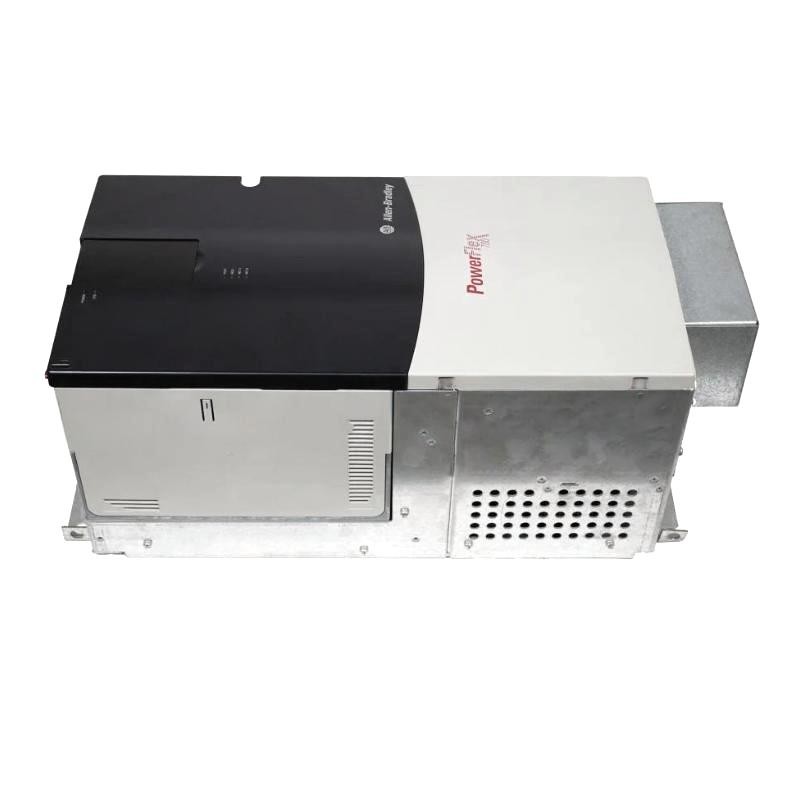
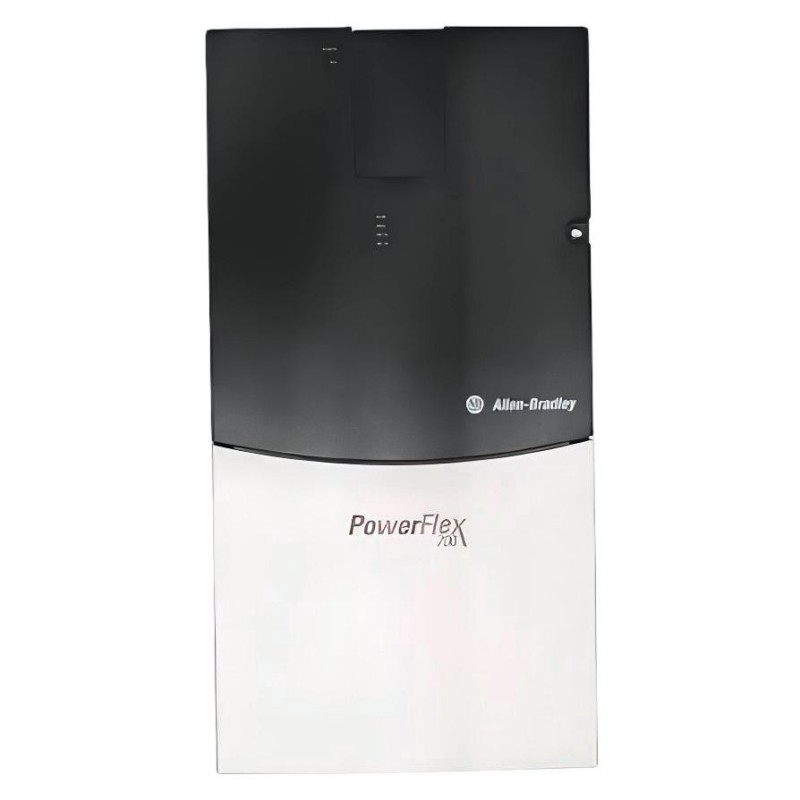
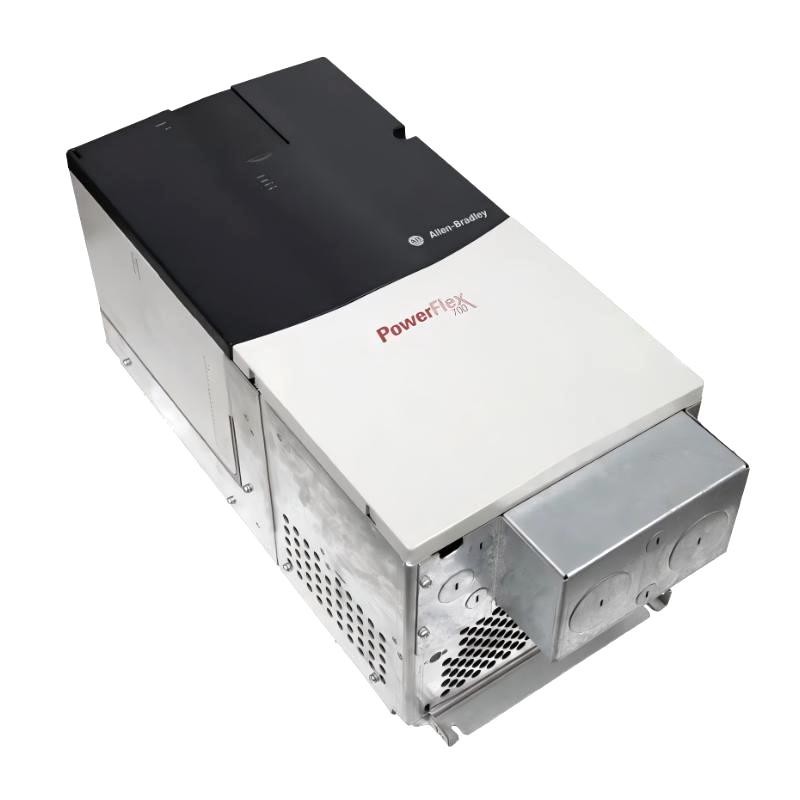
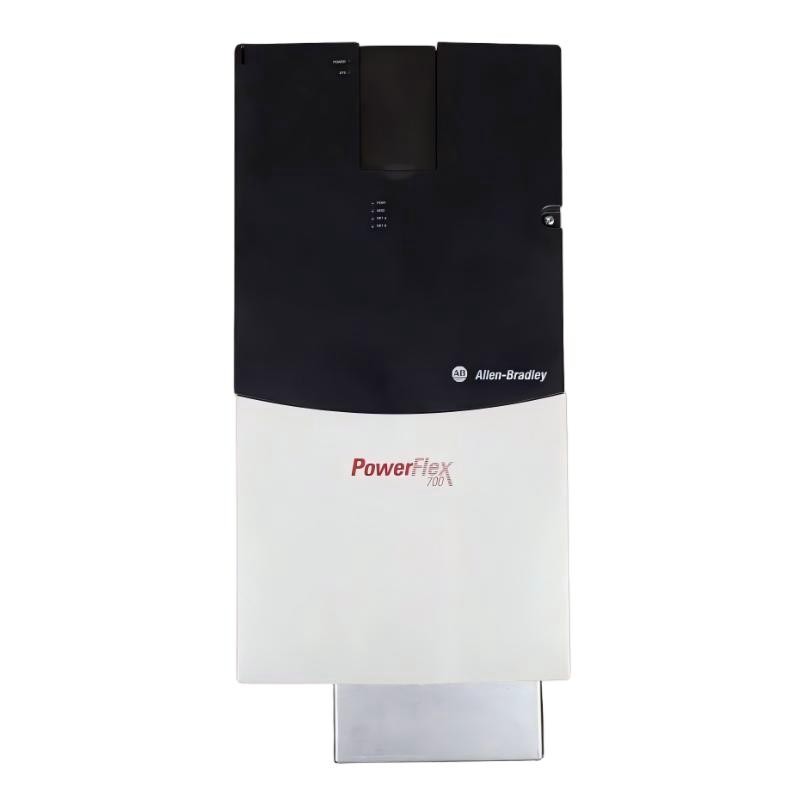
- Allen Bradley
- 20BB154A0ANNANC0
- PowerFlex 700 AC Drive
- USA
- 976.3 × 403.9 × 275.5 mm
- 71.44 kg
- Xiamen, China
- New & In Stock
- T/T, PayPal, Western Union
- 1 Year
- 1-3 Working Days
- DHL, UPS, TNT, FedEx and EMS.
- 24-Hour Service
- COO
- 4
Our advantage

Global Logistics
We have a 10-year logistics and express cooperation agreement, so our products can be shipped to any place in the world.

Brand new and original
Our products are imported in bulk from the place of origin. Because of the cooperative relationship, our products are all original and 100% new.

24-hour service
We provide 7*24 hours service to our customers. We will be there whenever you need us.

Price advantage
All our products are priced very favorably because we have our own warehouse and supply.
| Company Information | |||
| [email protected] | |||
| Mobile | +8615980777398 | ||
| +8615980777398 | |||
| 15980777398 |
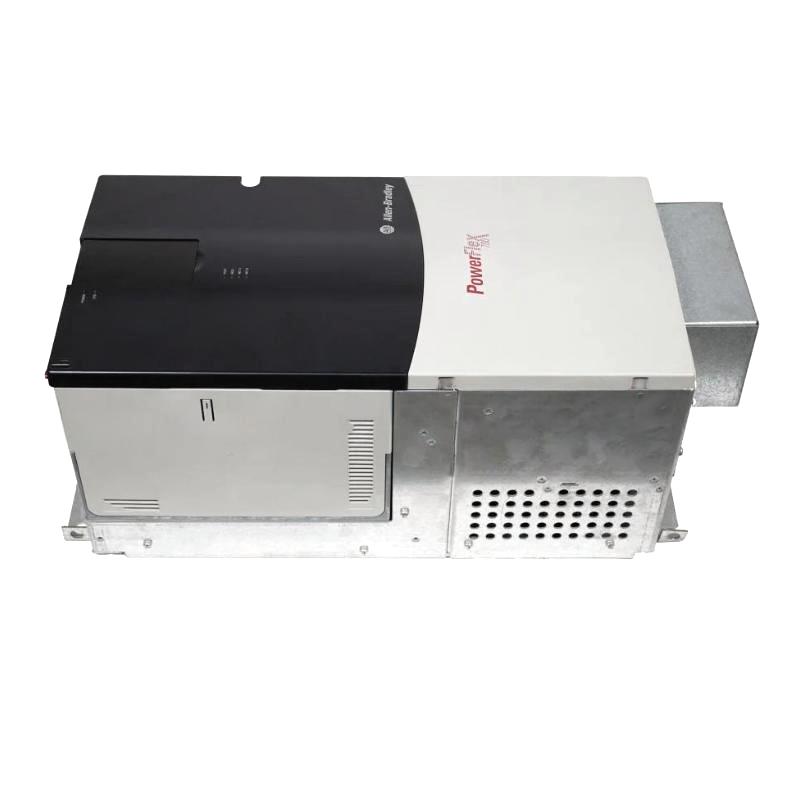
Product Overview
The Allen Bradley 20BB154A0ANNANC0 PowerFlex 700 AC Drive is an adjustable-frequency drive for industrial three-phase AC motor applications. It belongs to the PowerFlex 700 family and is associated with the 240 V voltage class. The corresponding 154 A configuration carries a 60 HP normal-duty rating and a 50 HP heavy-duty rating, placing it in a current class suited to substantial motor loads in industrial machinery.
The drive regulates motor speed by controlling the electrical output supplied to the connected AC motor. Rather than operating the motor continuously at a fixed supply frequency, it allows the operating speed to follow the requirements of the process. This is useful in production systems where motor speed affects material flow, equipment throughput, or the coordination of connected machines.
The PowerFlex 700 family is used in applications such as conveyors, pumps, fans, blowers, mixers, and other motor-driven equipment. In a conveyor installation, the drive can regulate belt speed to suit the production sequence. In a pumping system, adjustable-speed operation can help match motor operation to changing process demand, provided the pump and process are suitable for variable-speed control.
The 154 A rating should be considered together with the motor’s nameplate current and the required operating duty. Normal-duty and heavy-duty ratings address different loading conditions, so the correct selection depends on the machine’s torque requirements, overload profile, acceleration time, and operating cycle. Nominal horsepower alone does not determine whether a drive is suitable for a particular motor.
In a typical automation installation, the drive occupies the motor-control position between the incoming electrical supply and the driven equipment. A PLC or other machine controller manages process logic, operating sequences, and interlocks, while the drive regulates the motor according to its configured control parameters. The available command and feedback arrangements depend on the installed hardware.
Braking requirements deserve particular attention in applications involving high inertia or frequent stopping. During deceleration, a motor can return energy to the drive’s DC bus. The required stopping profile and braking arrangement depend on the mechanical load, stopping time, and operating frequency. These factors should be considered when specifying the drive for cranes, conveyors, rotating machinery, or other demanding applications.
Electrical installation also affects drive performance. Supply conditions, grounding, motor-cable routing, protective devices, and cabinet cooling must be addressed as part of the overall motor-control design. Suitable environmental protection is necessary to keep the drive operating within its specified conditions.
The PowerFlex 700 can be incorporated into a broader automation system using compatible control interfaces and associated hardware. Where the machine requires network commands, encoder feedback, or additional braking functions, those requirements must be reflected in the selected configuration and system design.
The Allen Bradley 20BB154A0ANNANC0 PowerFlex 700 AC Drive is therefore best selected according to the complete motor application: electrical ratings, duty requirements, mechanical load, stopping behavior, and control-system needs. A coordinated selection helps ensure that the drive and connected machinery operate within their intended limits.
Technical Specifications
| Parameter | Specification |
|---|---|
| Manufacturer | Allen Bradley |
| Model | 20BB154A0ANNANC0 |
| Product Family | PowerFlex 700 |
| Product Type | Adjustable Frequency AC Drive |
| Drive Series | 20B |
| Voltage Class | 240 V |
| Input Voltage | 200–240 V AC |
| Input Phase | 3-phase |
| Rated Output Current | 154 A |
| Normal-Duty Power Rating | 60 HP |
| Heavy-Duty Power Rating | 50 HP |
| Maximum Output Frequency | 400 Hz |
| Dimensions | 976.3 × 403.9 × 275.5 mm |
| Weight | 71.44 kg |
Product Features
- 154 A current rating: Serves compatible industrial motor applications with substantial current requirements.
- 60 HP normal-duty rating: Supports suitable motor loads operating within the applicable normal-duty limits.
- 50 HP heavy-duty rating: Provides the corresponding power rating for applications with more demanding loading conditions.
- Adjustable-frequency operation: Allows motor speed to be matched to the process requirement.
- Configurable motor control: Supports application-specific settings for motor operation and speed changes.
- Industrial automation integration: Can operate as part of a coordinated machine-control system.
- Application-dependent braking: Allows stopping requirements to be addressed according to load inertia and operating cycle.
- Flexible system design: Supports evaluation of suitable control, monitoring, and communication arrangements for the intended installation.
Working Principle
The PowerFlex 700 controls an AC motor by converting the incoming electrical supply into a controlled output. Its power-conversion stages and control system work together to regulate motor speed and operation according to the selected control mode and configured parameters.
Three-Phase AC Supply → Rectifier → DC Bus → Inverter → AC Motor
The rectifier converts incoming AC power into DC power. This power passes through the DC bus before reaching the inverter. The inverter switches the DC power to generate an AC output with a controlled voltage and frequency, allowing the drive to regulate the connected motor.
Changing the output frequency changes the motor’s operating speed. The drive’s control system manages this output according to the requested operating point and the programmed limits. Acceleration and deceleration settings determine how quickly the motor changes speed, while the motor’s characteristics and mechanical load influence the resulting response.
During commissioning, the motor’s nameplate information must be entered correctly. Rated voltage, current, frequency, and other applicable parameters should correspond to the connected motor. The control mode and operating settings must also suit the load. Incorrect data or unsuitable settings can cause poor speed response, excessive current demand, or unexpected behavior during acceleration.
The 154 A rating provides an important reference for drive selection, but the required duty rating must also be considered. A machine that operates under relatively steady conditions may have different requirements from one that experiences frequent starts, high torque demand, or sustained overloads. The drive’s applicable current and power ratings must accommodate the actual operating cycle.
In a PLC-controlled system, the controller generally manages the machine sequence and supplies operating commands through the supported interface. The drive processes those commands and regulates motor operation. Sensors and interlocks can provide the machine-state information needed to coordinate starting, stopping, and other operating events.
During deceleration, the motor may return energy to the drive’s DC bus. The amount of energy depends on the rotating inertia, operating speed, stopping time, and frequency of deceleration. If the application requires rapid or repeated stopping, the braking solution must be suitable for the energy involved. The required arrangement should be determined from the actual application and installed drive hardware.
Communication and feedback are separate parts of the control architecture. A machine that relies on network commands or encoder feedback requires compatible interfaces and appropriate configuration. The selected controller, drive, and associated equipment must work together to provide the intended command and monitoring functions.
During operation, the drive responds to commands and monitors relevant operating conditions. If the motor fails to accelerate, runs irregularly, or produces a fault, troubleshooting should include the incoming supply, motor wiring, command signals, configured parameters, and mechanical load. Fault information should be considered alongside the conditions under which the problem occurred.
Through controlled power conversion and configurable motor regulation, the PowerFlex 700 supports adjustable-speed operation in compatible industrial machinery.
Role in the Industrial Control Architecture
The 20BB154A0ANNANC0 occupies the motor-control layer of an industrial automation system. It regulates the electrical power supplied to the motor, while external control equipment coordinates machine operation and process timing.
Three-Phase AC Supply → PowerFlex 700 Drive → AC Motor → Mechanical Load
PLC / Control System → Supported Drive Interface → Motor Commands
| System Component | Function |
|---|---|
| Allen Bradley PowerFlex 700 | Regulates motor operation according to configured parameters |
| Three-Phase AC Supply | Provides electrical input power to the drive |
| Industrial PLC | Manages process logic, machine sequences, and interlocks |
| External Control Circuit | Supplies operating commands through the configured interface |
| AC Motor | Converts electrical power into mechanical movement |
| Process Sensors | Provide machine-state and process information |
| Protective Devices | Provide the required upstream electrical protection |
| Braking Equipment, Where Required | Supports application-specific stopping requirements |
| Programming Interface | Provides access to supported configuration and diagnostic functions |
| Industrial Control Cabinet | Houses the drive and associated electrical equipment |
The PLC coordinates machine operation, while the drive regulates motor output. The selected interfaces and supporting hardware determine how commands, status information, and any additional control functions are exchanged.
Industrial Applications
| Application | Typical Use |
|---|---|
| Industrial Conveyor Systems | Regulates belt speed to coordinate material movement and production throughput |
| Pumping Equipment | Adjusts motor operation to meet compatible process-flow requirements |
| Ventilation Fans | Controls motor speed to suit airflow demand |
| Industrial Blowers | Regulates air-delivery equipment according to process requirements |
| Mixing Machinery | Controls motor speed under changing material resistance |
| Material-Handling Systems | Coordinates motor-driven movement with machine sequences |
| Manufacturing Lines | Matches motor operation to production timing |
| Packaging Equipment | Controls compatible motors used in transport and processing |
| Process Machinery | Provides adjustable-speed operation for suitable AC motor loads |
| Industrial Motor-Control Panels | Serves as the drive component in a properly engineered motor-control assembly |
Installation and Maintenance
- Verify the catalog number: Confirm that the supplied drive matches the intended model and electrical configuration.
- Check the incoming supply: Verify the three-phase voltage and frequency against the drive’s electrical requirements.
- Confirm motor compatibility: Compare the motor nameplate voltage, rated current, power, and frequency with the applicable drive ratings.
- Isolate electrical energy: Disconnect the supply, follow the prescribed lockout procedure, and verify DC-bus discharge before servicing.
- Prepare the installation environment: Provide suitable cabinet protection, cooling, and environmental conditions for the installed equipment.
- Check grounding and power wiring: Verify protective grounding, incoming connections, motor terminals, conductor sizing, and terminal tightness.
- Configure motor parameters: Enter the motor nameplate data and select the control settings appropriate for the connected load.
- Verify the control interface: Test the command source, control wiring, interlocks, and expected status signals.
- Check communication requirements: Confirm that the selected hardware supports the machine’s intended communication and controller arrangement.
- Assess braking requirements: Evaluate load inertia, stopping time, and braking frequency to determine the appropriate stopping arrangement.
- Test operation under controlled conditions: Check starting, stopping, speed changes, and fault responses before returning the equipment to production.
- Maintain configuration records: Document the drive model, motor data, parameter settings, wiring diagrams, and maintenance history.
If the motor does not start, check the incoming supply, command source, interlocks, and drive status. If a fault occurs during acceleration or deceleration, investigate motor loading, parameter settings, and braking requirements. Follow the applicable electrical safety procedures and product instructions during all inspection and maintenance work.
Related Components
| Component | Function |
|---|---|
| Allen Bradley PowerFlex 700 AC Drive | Provides adjustable-frequency motor control |
| Compatible Three-Phase AC Motor | Converts electrical power into mechanical motion |
| Industrial PLC | Coordinates drive commands with machine sequences |
| Control Power Supply | Supplies external control circuits where required |
| Control Relays | Provide switching functions within the machine-control system |
| Input Circuit Breaker or Fuses | Provide upstream electrical protection |
| Programming Interface | Supports drive configuration and diagnostics |
| Compatible Communication Hardware | Supports network integration where required |
| External Braking Equipment | Addresses stopping requirements where necessary |
| Motor Power Cable | Connects the drive output to the motor |
| Control Wiring | Carries operating commands and status signals |
| Industrial Control Cabinet | Provides mounting and environmental protection |
Recommended Related Models
| Model | Product Type | Typical Application |
|---|---|---|
| Allen Bradley 20BB104A0ANNANC0 | PowerFlex 700 AC Drive | Related lower-current model for compatible motor applications |
| Allen Bradley 20BB130A0ANNANC0 | PowerFlex 700 AC Drive | Related 130 A current class for suitable motor loads |
| Allen Bradley 20BB154A0ANNANN0 | PowerFlex 700 AC Drive | Documented 154 A, 240 V-class configuration rated at 60 HP normal duty and 50 HP heavy duty |
| Allen Bradley 20BB154A0ANNADA0 | PowerFlex 700 AC Drive | Documented 154 A configuration with a DeviceNet communication module |
| Allen Bradley PowerFlex 700 Series | Adjustable Frequency AC Drive Family | Comparing current ratings and control configurations for industrial motor applications |
Key Advantages
- Provides a 154 A current rating for compatible industrial motor applications.
- Supports 60 HP normal-duty and 50 HP heavy-duty ratings in the corresponding 240 V-class configuration.
- Enables adjustable-frequency motor operation for process-dependent speed requirements.
- Supports integration into industrial machine-control systems through compatible interfaces.
- Allows braking requirements to be addressed according to load inertia and stopping conditions.
- Supports application-specific commissioning through configurable motor-control parameters.
Technical FAQs
How does the 154 A rating affect drive selection?
The 154 A rating must be evaluated alongside the motor’s nameplate current, supply voltage, operating duty, and overload requirements. The machine’s acceleration profile and expected load conditions also influence suitability. A horsepower match alone is insufficient for final selection.
What is the difference between the normal-duty and heavy-duty power ratings?
The normal-duty and heavy-duty ratings represent different operating conditions. The corresponding 154 A, 240 V-class configuration is rated at 60 HP for normal duty and 50 HP for heavy duty. The applicable rating depends on the load characteristics and required operating duty.
Why should deceleration behavior be evaluated for high-inertia machinery?
A high-inertia load can return energy to the drive during deceleration. Rapid stopping and repeated braking cycles can increase the demand on the braking arrangement. The stopping profile and any required braking equipment should be selected according to the machine’s operating conditions.
What should be considered when integrating this drive into an existing control panel?
Check the supply and motor ratings, available control interfaces, command wiring, protection arrangement, cabinet cooling, and braking requirements. Communication and feedback needs should also be included in the system design so that the drive can work with the existing PLC and associated equipment.