

ProductPRODUCT
Featured products
Contact Us
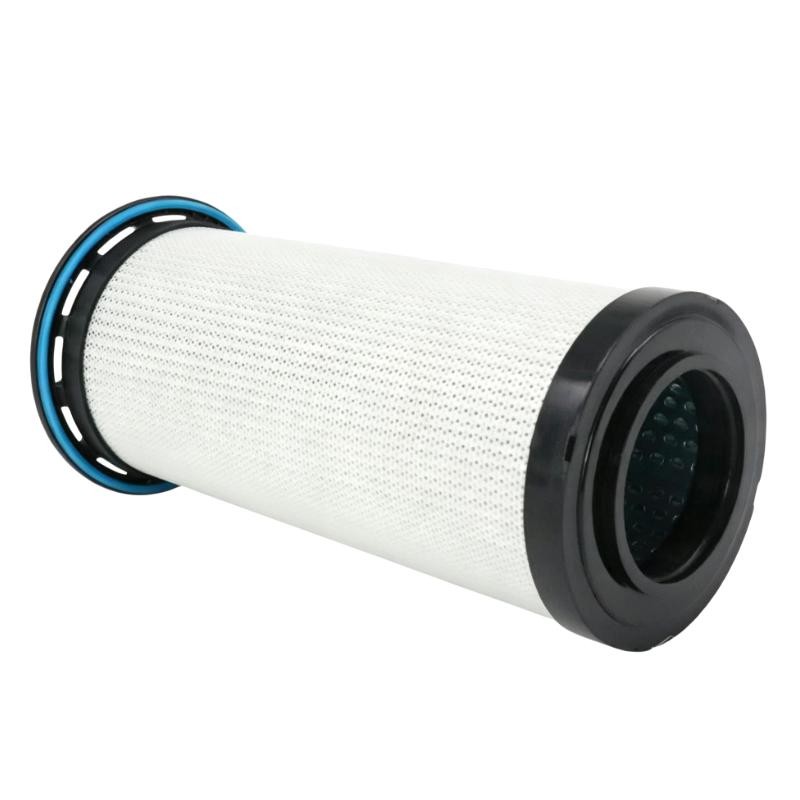
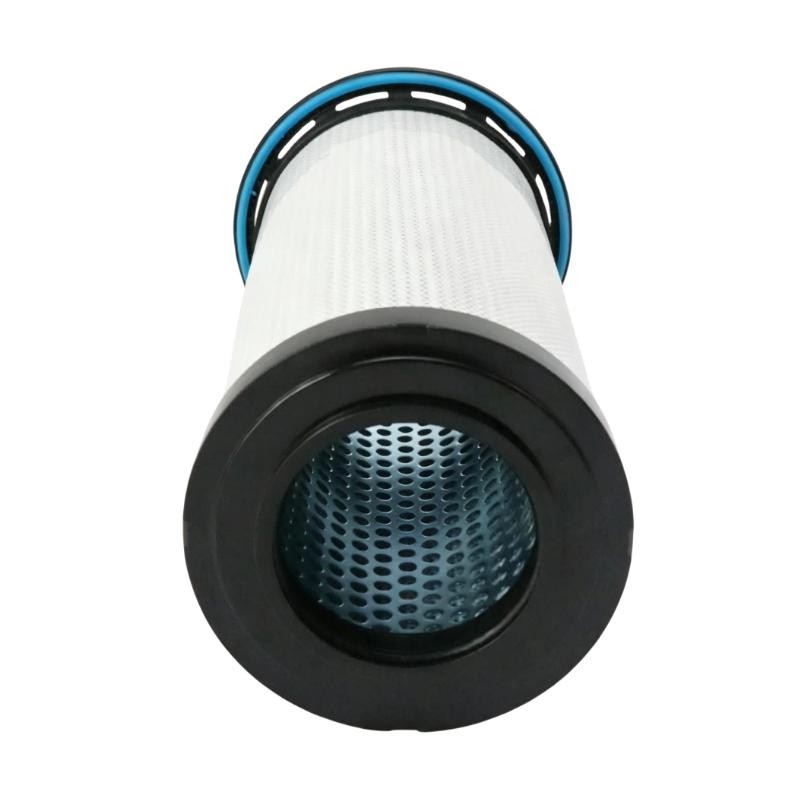
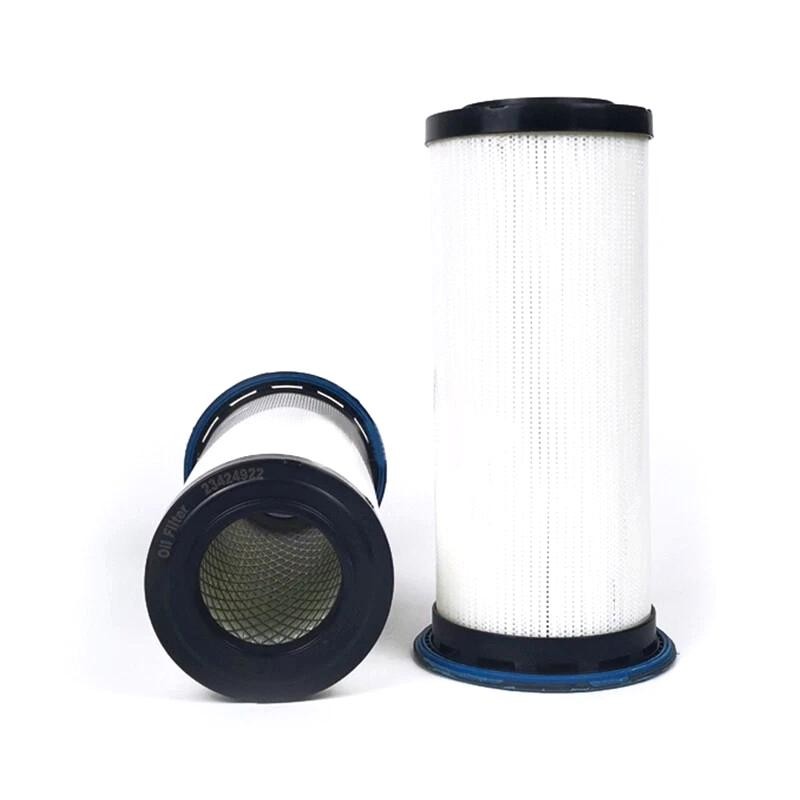
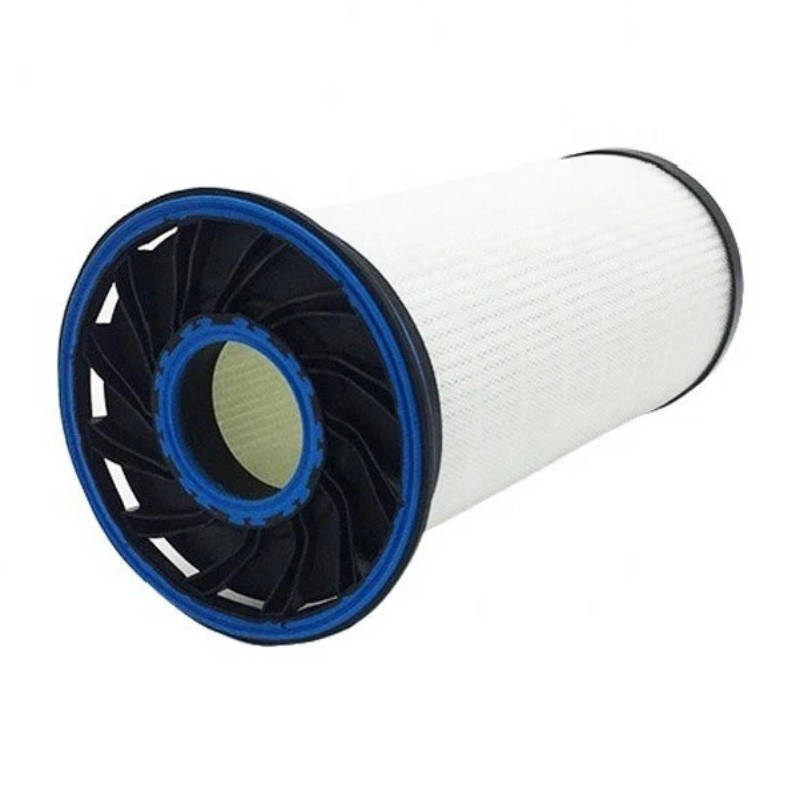
- Ingersoll Rand
- 47572176001 23424922
- Coolant Filter
- USA
- 232.2 × 114.3 × 96.5 mm
- 2.3 kg
- Xiamen, China
- New & In Stock
- T/T, PayPal, Western Union
- 1 Year
- 1-3 Working Days
- DHL, UPS, TNT, FedEx and EMS.
- 24-Hour Service
- COO
- 5
Our advantage

Global Logistics
We have a 10-year logistics and express cooperation agreement, so our products can be shipped to any place in the world.

Brand new and original
Our products are imported in bulk from the place of origin. Because of the cooperative relationship, our products are all original and 100% new.

24-hour service
We provide 7*24 hours service to our customers. We will be there whenever you need us.

Price advantage
All our products are priced very favorably because we have our own warehouse and supply.
| Company Information | |||
| [email protected] | |||
| Mobile | +8615980777398 | ||
| +8615980777398 | |||
| 15980777398 |
Product Overview
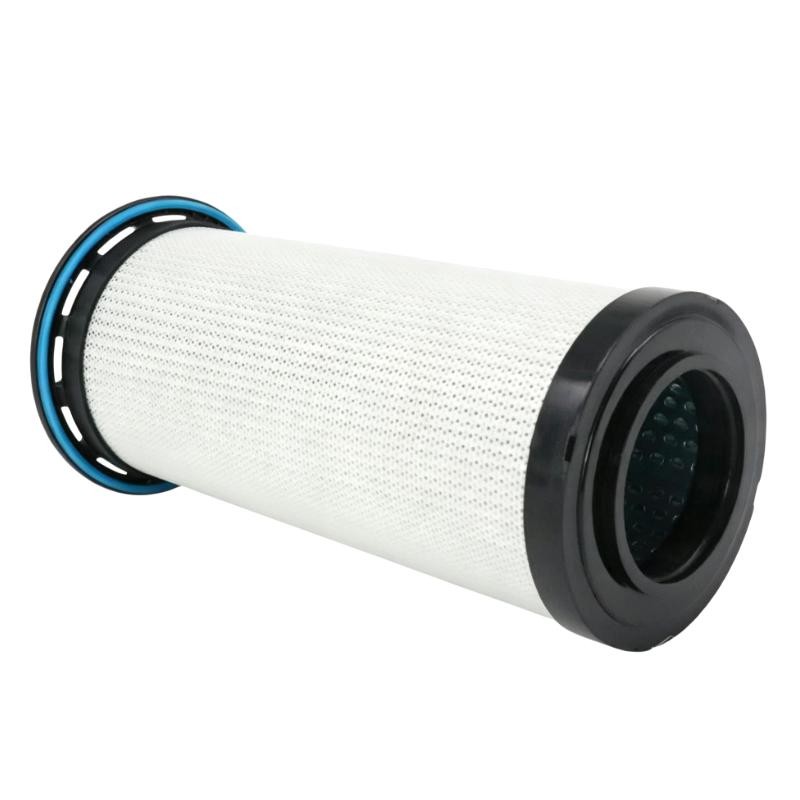
The Ingersoll Rand 47572176001 23424922 Coolant Filter is a replacement filtration component used in industrial air compressor lubrication and cooling circuits. In compressor terminology, coolant commonly refers to the circulating compressor lubricant, which helps reduce friction, carry away heat, and protect internal components during operation. The filter removes contaminants from this circulating fluid before they can contribute to wear or interfere with normal lubrication.
During compressor operation, the lubricant can collect fine particles generated by component wear, residue introduced during servicing, and contaminants carried through the circulation system. If these materials continue circulating, they can affect bearing surfaces, lubrication passages, and other components that depend on clean oil. The coolant filter helps control this contamination by retaining particles within its filtration media.
The 23424922 element is associated with Ingersoll Rand rotary screw compressor applications, including equipment in the R-series range. In these machines, lubricant serves several functions depending on the compressor design, including lubricating moving parts, assisting heat removal, and supporting the compression process. Maintaining the filtration circuit is therefore part of routine compressor servicing rather than simply a consumable replacement task.
Filter condition affects how freely lubricant passes through the element. As contaminants accumulate, the restriction across the filter can increase. Depending on the compressor’s design and operating conditions, excessive restriction may affect lubricant delivery or trigger a filter-related maintenance indication. Replacing the element at the appropriate service interval helps maintain the intended circulation conditions.
The filter must work with the specified lubricant, housing, and sealing arrangement. Correct seating prevents untreated oil from bypassing the filtration media, while compatible seals help maintain circuit integrity under normal operating pressure and temperature. An element that appears physically similar may differ in its internal construction, sealing surfaces, or filtration characteristics, so the correct part reference matters when selecting a replacement.
For maintenance teams, coolant filter replacement is commonly coordinated with lubricant inspection and other scheduled compressor service activities. The removed element can also provide useful information about the condition of the lubrication circuit. Unusual deposits, excessive contamination, or metallic particles may indicate that further investigation is warranted rather than simply installing a new filter and returning the machine to service.
The Ingersoll Rand 47572166001 23424922 Coolant Filter is intended to support routine filtration maintenance on compatible compressor equipment. Its effectiveness depends on correct installation, suitable lubricant condition, an intact sealing arrangement, and adherence to the maintenance requirements for the specific compressor.
Technical Specifications
| Parameter | Specification |
|---|---|
| Manufacturer | Ingersoll Rand |
| Product Model | 47572176001 |
| Part Number | 23424922 |
| Product Type | Coolant Filter |
| Product Category | Compressor Lubricant Filtration |
| Equipment Type | Industrial Air Compressor |
| Application | Lubricant filtration and contamination control |
| Filter Function | Removes particulate contaminants from circulating lubricant |
| Filter Construction | Replaceable filter element |
| Filtration Circuit | Compressor lubrication/coolant circuit |
| Compatible Equipment Family | Ingersoll Rand rotary screw compressor applications |
| Associated Compressor Range | R-series applications, subject to equipment configuration |
| Maintenance Type | Periodic filter-element replacement |
| Dimensions | 232.2 × 114.3 × 96.5 mm |
| Weight | 2.3 kg |
Product Features
- Lubricant contamination control: Retains particulate contaminants carried through the compressor lubrication circuit.
- Routine service replacement: Supports scheduled maintenance of compatible Ingersoll Rand compressor systems.
- Filtration-media operation: Captures contaminants as lubricant passes through the filter element.
- Lubrication-system protection: Helps limit the circulation of abrasive particles that can contribute to component wear.
- Housing and seal compatibility: Requires the correct fit and sealing arrangement to prevent lubricant bypass.
- Maintenance inspection value: The removed element can reveal information about contamination within the lubrication circuit.
- Compressor service integration: Can be incorporated into planned lubricant and filter maintenance procedures.
- Application-specific selection: Part identification and compressor configuration determine whether the element is suitable for a particular installation.
Working Principle
The Ingersoll Rand 23424922 Coolant Filter operates through mechanical filtration. As lubricant moves through the compressor’s circulation circuit, it passes through the filter media, where suspended particles are retained while the filtered fluid continues through the system.
The filtration process depends on the relationship between the filter media, the available flow area, and the characteristics of the circulating lubricant. Particles larger than the effective retention openings are captured, while smaller particles may pass through depending on the media’s filtration characteristics. The exact efficiency and particle-retention rating depend on the element specification.
Compressor Lubricant Circuit → Filter Inlet → Filtration Media → Filtered Lubricant Outlet
During normal operation, contaminants gradually accumulate within the element. As the retained material increases, the resistance to flow can rise. The compressor’s design determines how this change affects the lubrication circuit and whether differential-pressure monitoring or another maintenance indication is available.
A filter element must also maintain a proper seal against its housing. If the sealing surfaces are damaged, incorrectly positioned, or incompatible with the housing, some lubricant may bypass the media. In that situation, the presence of a newly installed filter does not necessarily mean the fluid is being filtered as intended.
Lubricant condition influences the service life of the element. Contamination can increase after component wear, maintenance work, or an operating event that introduces foreign material into the circuit. Lubricant degradation may also produce deposits that contribute to filter restriction. For this reason, filter maintenance should be considered alongside the condition of the oil and the compressor’s operating history.
When the element is replaced, the housing and sealing surfaces should be inspected for residue, damage, or other conditions that could compromise the new installation. The replacement must be seated correctly, and the circuit should be checked for leakage after the compressor is returned to service.
A filter cannot correct every lubrication problem. Repeatedly restricted elements, abnormal deposits, or evidence of metallic contamination may point to a separate issue within the compressor or its lubricant supply. In such cases, filter replacement should be accompanied by an investigation into the source of the contamination.
Role in the Compressor Lubrication System
The coolant filter forms part of the compressor’s fluid-management circuit. Its primary responsibility is to reduce particulate contamination before the lubricant continues through the relevant components of the system.
Lubricant Circulation → Coolant Filter → Filtered Lubricant → Compressor Lubrication Circuit
| System Component | Function |
|---|---|
| Coolant Filter Element | Retains particulate contaminants carried by the lubricant |
| Filter Housing | Holds the element and directs fluid through the filtration path |
| Sealing Components | Limit bypass around the filter element |
| Lubricant Circuit | Circulates lubricant through the compressor’s designated flow path |
| Lubricant Cooler | Removes heat from the lubricant where fitted in the circuit |
| Oil Separator | Separates lubricant from compressed air in oil-injected compressor systems |
| Lubricant Reservoir or Sump | Stores lubricant within the compressor system where applicable |
| Pressure and Temperature Monitoring | Helps operators assess operating conditions in the lubrication circuit |
| Compressor Controller | Monitors available operating signals and service indications |
The precise arrangement of these components depends on the compressor model. The filter’s location and replacement procedure should follow the applicable equipment service instructions.
Industrial Applications
| Application | Typical Use |
|---|---|
| Rotary Screw Air Compressors | Filtering circulating lubricant during normal compressor operation |
| Ingersoll Rand R-Series Equipment | Replacement filtration in compatible compressor configurations |
| Industrial Manufacturing Plants | Maintaining compressor lubrication systems used by production equipment |
| Automotive Manufacturing | Supporting compressed-air generation for pneumatic equipment and production processes |
| Packaging Facilities | Maintaining compressor operation for pneumatic and process-air applications |
| Food and Beverage Facilities | Supporting compressor maintenance where the installed equipment uses this filtration arrangement |
| Process Industries | Managing lubricant contamination in industrial compressed-air systems |
| Preventive Maintenance Programs | Replacing filter elements at prescribed service intervals |
| Compressor Overhaul Work | Renewing filtration components during planned equipment servicing |
| Lubricant Condition Investigations | Inspecting the removed element for evidence of unusual contamination |
Installation and Maintenance
- Isolate the compressor: Stop the machine and follow the prescribed lockout and isolation procedure before starting filter maintenance.
- Relieve stored pressure: Allow the relevant circuit to depressurize according to the equipment service procedure before opening the filter housing.
- Allow the system to cool: Ensure the lubricant and surrounding components have reached a safe condition for maintenance.
- Identify the installed element: Confirm that the replacement corresponds to the compressor’s required filter specification and housing arrangement.
- Remove the old filter: Follow the designated removal procedure to avoid damaging the housing or spilling lubricant into surrounding equipment.
- Inspect the removed element: Examine the media and collected deposits for unusual contamination, discoloration, or metallic particles that may warrant further investigation.
- Clean the housing contact surfaces: Remove accumulated residue using an appropriate method that will not introduce contaminants into the lubrication circuit.
- Inspect the sealing arrangement: Check the relevant sealing surfaces and replace damaged seals where required by the service procedure.
- Install the replacement element: Seat the filter correctly and follow the specified installation method without forcing the element into the housing.
- Restore the lubrication circuit: Reassemble the housing and restore the system according to the prescribed procedure, checking lubricant levels where applicable.
- Check for leakage: After restarting the compressor under the approved procedure, inspect the serviced area for lubricant leakage and abnormal operating indications.
- Record the maintenance: Document the replacement date, operating hours, and any unusual contamination observed during removal to support future maintenance decisions.
A replacement element should not automatically be treated as the solution when repeated restriction or abnormal contamination occurs. Investigating lubricant condition, operating history, and the source of collected particles can help prevent recurring filtration problems.
Related Components
| Component | Function |
|---|---|
| Ingersoll Rand 23424922 Coolant Filter | Filters particulate contamination from the compressor lubricant circuit |
| Coolant Filter Housing | Supports the filter element and directs lubricant flow |
| Filter Housing Seals | Help prevent lubricant leakage and unfiltered bypass |
| Compressor Lubricant | Lubricates components and assists heat transfer in applicable compressor designs |
| Lubricant Cooler | Helps control lubricant temperature |
| Oil Separator Element | Separates lubricant from compressed air in oil-injected systems |
| Air Filter Element | Removes airborne contaminants from incoming compressor air |
| Thermostatic Valve | Regulates lubricant routing according to the compressor’s thermal-control arrangement |
| Minimum Pressure Valve | Maintains the required pressure conditions in applicable compressor systems |
| Lubricant Service Kit | Groups designated service components for scheduled maintenance |
Recommended Related Models
| Model | Product Type | Typical Application |
|---|---|---|
| Ingersoll Rand 23424922 | Coolant Filter | Lubricant filtration in compatible compressor configurations |
| Ingersoll Rand 23700362 | Filter Cross-Reference | Alternative reference listed in replacement-filter catalog data |
| Ingersoll Rand 23759871 | Filter Cross-Reference | Alternative reference listed in replacement-filter catalog data |
| Ingersoll Rand 38430906 | Filter Cross-Reference | Alternative reference listed in replacement-filter catalog data |
| Ingersoll Rand 23429822 | Air Filter | Incoming-air filtration in applicable compressor systems |
| Ingersoll Rand 23545841 | Oil Separator | Oil separation in compatible compressor configurations |
Key Advantages
- Helps reduce particulate contamination in the compressor lubrication circuit.
- Supports routine maintenance of compatible Ingersoll Rand compressor equipment.
- Helps protect lubrication-dependent components from circulating contaminants.
- Supports consistent filtration when correctly fitted and maintained.
- Allows removed-element inspection to contribute to contamination diagnosis.
- Integrates into scheduled compressor servicing and lubricant maintenance.
Technical FAQs
What is the function of the 23424922 Coolant Filter in an Ingersoll Rand compressor?
It filters particulate contaminants from the circulating compressor lubricant. By reducing the amount of debris carried through the lubrication circuit, the element helps limit contamination-related wear and supports normal lubricant circulation.
What operating conditions can shorten the filter element’s service life?
High contamination levels, abnormal component wear, lubricant degradation, and deposits within the fluid circuit can increase filter loading. The appropriate replacement interval depends on the compressor’s prescribed maintenance schedule, operating conditions, and any available filter-restriction indications.
Why should the filter housing and seals be inspected during replacement?
A damaged sealing surface or incorrectly seated element can allow lubricant to bypass the filtration media or escape from the housing. Inspecting the housing and seals helps maintain the intended fluid path and reduces the risk of leakage after servicing.
What should maintenance personnel investigate if the replacement filter becomes restricted again quickly?
Repeated restriction may indicate excessive particulate contamination, lubricant deterioration, or an underlying mechanical issue. Inspecting the removed element, reviewing lubricant condition, and investigating the source of contamination can help identify the cause rather than relying on repeated filter replacement alone.