

ProductPRODUCT
Featured products
Contact Us
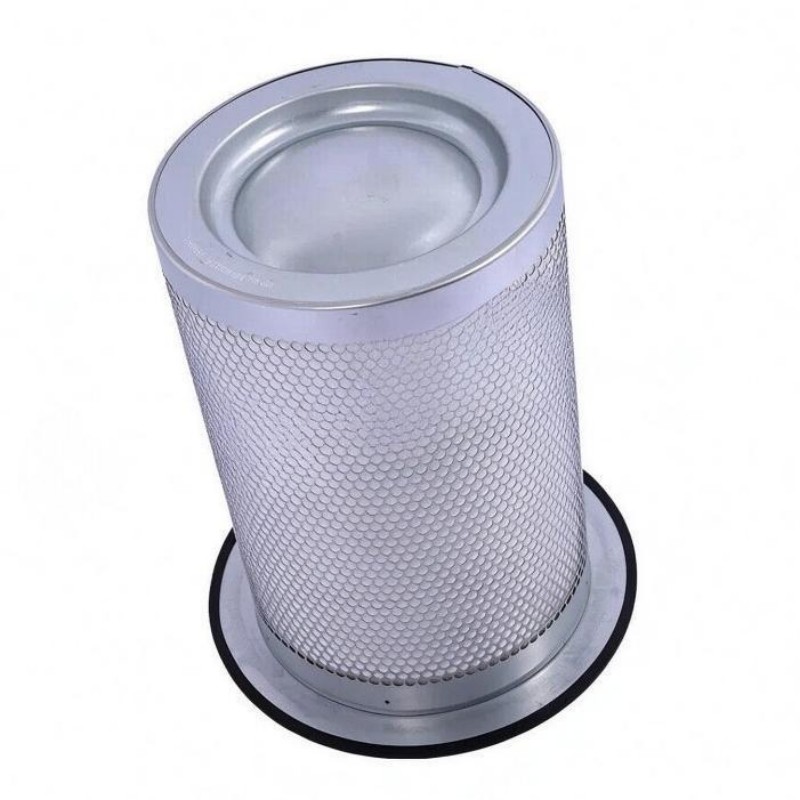
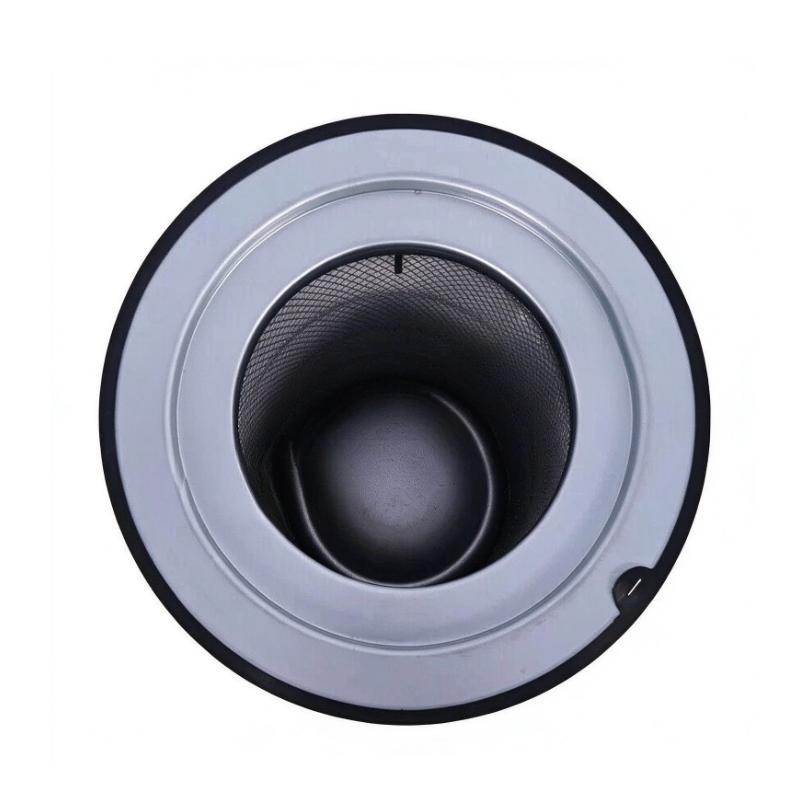
- Ingersoll Rand
- 47572168001 23545841
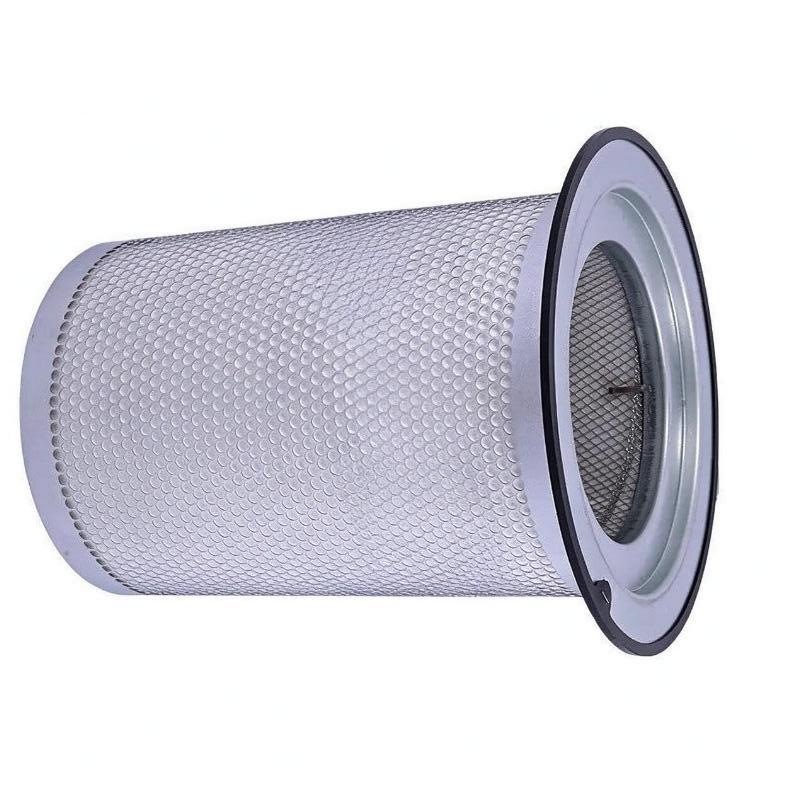
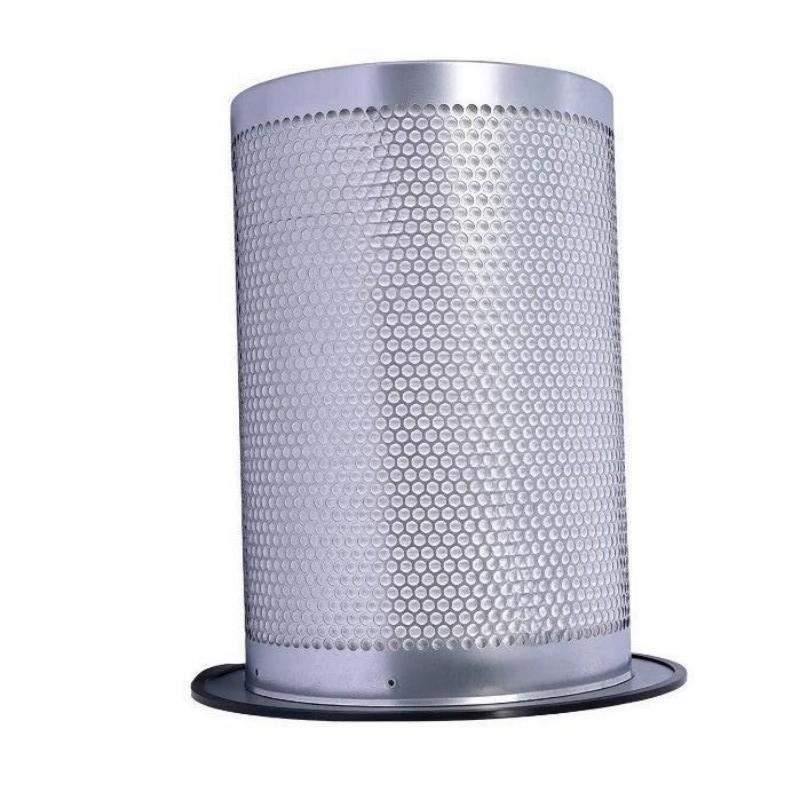
- Air-Oil Separator
- USA
- 375 mm
- 7.5 kg
- Xiamen, China
- New & In Stock
- T/T, PayPal, Western Union
- 1 Year
- 1-3 Working Days
- DHL, UPS, TNT, FedEx and EMS.
- 24-Hour Service
- COO
- 6
Our advantage

Global Logistics
We have a 10-year logistics and express cooperation agreement, so our products can be shipped to any place in the world.

Brand new and original
Our products are imported in bulk from the place of origin. Because of the cooperative relationship, our products are all original and 100% new.

24-hour service
We provide 7*24 hours service to our customers. We will be there whenever you need us.

Price advantage
All our products are priced very favorably because we have our own warehouse and supply.
| Company Information | |||
| [email protected] | |||
| Mobile | +8615980777398 | ||
| +8615980777398 | |||
| 15980777398 |
1. Product Overview
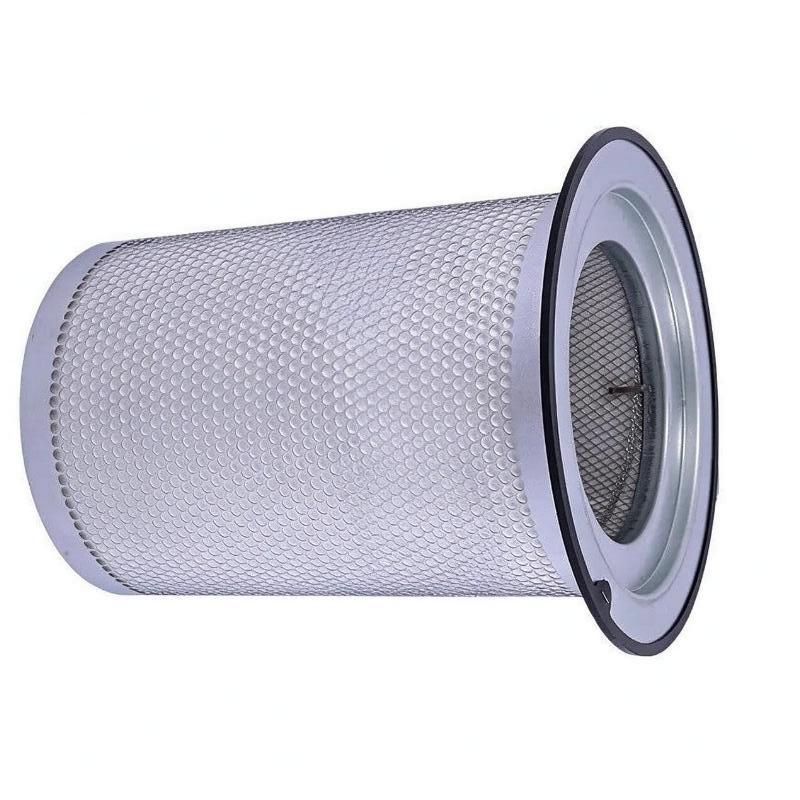
The Ingersoll Rand 47572168001 / 23545841 Air-Oil Separator is an industrial compressor replacement component designed for air-oil separation applications, subject to confirmation of the exact compressor model and parts configuration. Air-oil separators are important components in oil-injected compressed-air systems, where oil must be separated from compressed air before the air is delivered to downstream equipment.
During compression, lubricating oil may mix with the compressed air. The separator helps remove entrained oil droplets and reduce the amount of oil carried into the compressed-air outlet. Effective separation supports compressed-air quality, helps control oil consumption, and allows separated oil to return to the compressor’s oil circuit when the system is designed for oil recovery.
A worn, contaminated, damaged, or incorrectly specified separator may contribute to increased oil carryover, higher oil consumption, pressure-related problems, or reduced compressor performance. Replacing the separator at the appropriate maintenance interval can help maintain the intended operation of a compatible compressor.
The Ingersoll Rand 47572168001 / 23545841 Air-Oil Separator has a supplied diameter of 375 mm and a listed weight of 7.5 kg. These specifications can assist with preliminary product identification, spare-parts management, and maintenance planning. Before purchasing or installing the component, confirm the complete part number and compatibility with the specific compressor model.
2. Technical Specifications
| Parameter | Specification |
|---|---|
| Brand | Ingersoll Rand |
| Part Number | 47572168001 |
| Additional Part Number | 23545841 |
| Product Type | Air-Oil Separator |
| Product Category | Industrial Air Compressor Replacement Part |
| Diameter | 375 mm |
| Weight | 7.5 kg |
| Primary Function | Separates oil from compressed air in compatible compressor systems |
| Application | Oil-injected industrial air compressors, subject to model verification |
| Installation Method | Follow the compressor-specific service instructions |
| Replacement Requirements | Verify part number, dimensions, sealing arrangement, and equipment compatibility |
| Maintenance | Inspect and replace according to the manufacturer’s recommended service interval |
Specification note: The part numbers, diameter, and weight above are presented as supplied. Other technical details, including separator efficiency, operating pressure, temperature limits, filter media, connection arrangement, and compatible compressor models, should be confirmed from the product identification and applicable equipment documentation.
3. Function and Working Principle
An air-oil separator is used in many oil-injected compressor systems to remove oil carried in the compressed-air stream. During compression, oil may be introduced into the compression chamber to support lubrication, cooling, and sealing. The resulting air-oil mixture must then pass through a separation process before the compressed air is supplied to the application.
The separator supports this process by retaining oil while allowing compressed air to continue through the intended flow path. The specific separation mechanism depends on the compressor and separator design.
3.1 Separation of Oil from Compressed Air
As the air-oil mixture enters the separator assembly, oil droplets are separated from the compressed air through the mechanism used by the particular system. The separated oil is collected and may be returned to the compressor’s oil circuit through a designated recovery path.
The effectiveness of this process depends on the separator’s design, operating conditions, correct installation, and condition.
3.2 Compressed-Air Quality
Oil carryover can affect equipment that uses compressed air, particularly where excessive oil contamination is undesirable. A correctly matched separator helps reduce oil entering the downstream compressed-air system.
The separator does not necessarily eliminate all oil vapor or replace downstream air-treatment equipment. The air-quality requirements of the application may require additional filtration or treatment stages.
3.3 Oil Recovery and Consumption
In systems designed for oil recovery, the separator works with the relevant return path to recover separated oil. If separation performance deteriorates or the return path becomes restricted, oil consumption may increase.
Oil consumption should be evaluated alongside operating conditions, oil levels, leaks, and other possible causes rather than attributed to the separator alone.
3.4 Pressure and Airflow
The separator forms part of the compressor’s internal airflow path. As the component becomes contaminated or reaches the end of its service life, its pressure-drop characteristics may change.
A separator-related restriction can affect compressor operating conditions. The correct replacement and installation procedure help maintain the intended airflow and pressure characteristics of the system.
4. Role in Industrial Air Compressor Systems
The air-oil separator is an important maintenance component in compatible oil-injected compressor systems. Its performance can influence compressed-air quality, oil management, and compressor operating efficiency.
Oil Carryover Control
The separator helps reduce the amount of liquid oil carried into the compressed-air outlet. Excessive oil carryover may cause contamination in downstream piping, filters, air receivers, and pneumatic equipment.
Compressor Lubrication Management
In compressor designs that return separated oil to the oil circuit, the separator supports oil recovery. Maintaining the separator and associated return components helps preserve the intended lubrication arrangement.
System Operating Performance
A separator in poor condition may contribute to increased differential pressure or abnormal oil carryover. These conditions can affect compressor performance and may trigger alarms on systems equipped with relevant monitoring functions.
Equipment Protection
Reducing excessive oil carryover helps protect downstream equipment from unwanted oil contamination. However, the level of protection required depends on the application, and additional air-treatment components may still be necessary.
Maintenance Planning
Replacing the separator according to the recommended service schedule helps maintenance teams manage wear-related performance changes and reduce the risk of unplanned interruptions.
5. Industrial Applications
The Ingersoll Rand 47572168001 / 23545841 Air-Oil Separator may be considered for compatible industrial compressor installations after the exact application has been verified.
5.1 Manufacturing Facilities
Manufacturing plants use compressed air for pneumatic tools, automated machinery, actuators, and material handling systems. Effective oil separation helps maintain the condition of the compressed-air supply and reduce unwanted oil contamination.
5.2 Automotive and Assembly Operations
Automotive manufacturing and assembly facilities may use compressed air for fastening tools, pneumatic equipment, and production machinery. Proper separator maintenance supports the operation of compatible compressor systems supplying these applications.
5.3 Packaging and Processing Equipment
Packaging lines and industrial processing systems often rely on stable compressed-air delivery. A properly maintained air-oil separator helps control oil carryover from an oil-injected compressor, subject to the air-quality requirements of the application.
5.4 Industrial Workshops
Workshops use compressed air for pneumatic tools, cleaning equipment, and general maintenance activities. Replacing worn compressor separation components can form part of a planned maintenance program.
5.5 General Plant Compressed-Air Systems
Centralized compressor installations may supply multiple production areas through a shared distribution network. Separator performance can influence oil contamination levels and compressor operating conditions throughout the system.
These are general application environments for compatible air-oil separators. They do not confirm that the 47572168001 / 23545841 fits every Ingersoll Rand compressor or every application listed.
6. Installation and System Integration
Air-oil separator replacement requires careful attention to safety, cleanliness, sealing, and equipment compatibility. The following steps provide a general maintenance framework. The service instructions for the exact compressor model take precedence.
Step 1: Verify the Replacement Part
Confirm the part numbers 47572168001 and 23545841 against the compressor’s approved parts list. Check the separator’s diameter, overall configuration, sealing surfaces, and connection arrangement where applicable.
Do not assume compatibility based only on brand, appearance, or diameter.
Step 2: Shut Down and Isolate the Compressor
Stop the compressor according to the approved shutdown procedure. Isolate the electrical supply and all relevant energy sources using the site’s lockout/tagout procedure.
Allow the system to cool as required, relieve stored pressure according to the manufacturer’s instructions, and verify that the separator housing is safe to open. Never loosen a pressurized housing or connection.
Step 3: Prepare the Work Area
Keep dirt, dust, and foreign material away from the open compressor system. Prepare suitable tools and replacement materials before disassembly.
Use appropriate protective equipment and follow the site’s procedures for handling compressor oil and contaminated components.
Step 4: Remove the Existing Separator
Open the relevant assembly using the prescribed service procedure. Remove the existing separator carefully, taking note of its orientation and the arrangement of associated seals or connections.
Inspect the removed component for signs of contamination, deformation, damage, or unusual oil distribution. Such observations may help identify underlying operating problems.
Step 5: Inspect the Housing and Related Components
Inspect accessible sealing surfaces and the separator housing for damage, residue, or contamination. Check relevant oil return passages and related components where the equipment’s service procedure requires it.
Clean the assembly using an approved method. Avoid introducing debris or using cleaning materials that may damage seals or other internal components.
Step 6: Install the Replacement Separator
Install the new separator in the specified orientation and arrangement. Replace seals and related components as required by the service instructions.
Follow the prescribed fastening method and tightening requirements. Do not estimate torque values, alter the separator, or reuse components that the manufacturer requires to be replaced.
Step 7: Reassemble the System
Reassemble the separator housing and associated connections according to the equipment documentation. Verify that all components are seated correctly and that no tools, packaging materials, or loose parts remain inside the assembly.
Check that the oil recovery path and other relevant connections are correctly arranged where applicable.
Step 8: Restore Power and Start the Compressor
After completing the required inspection, restore the system according to the approved startup procedure. Observe the compressor during startup and initial operation.
Check for oil leakage, abnormal noise, unexpected pressure behavior, or relevant diagnostic alarms. Stop the equipment if an unsafe condition or serious abnormality is detected.
Step 9: Verify Operating Conditions
Check the compressor’s operating indicators and available diagnostic information. Where supported, review separator differential pressure and other relevant parameters against the equipment’s specified limits.
Confirm that the compressor operates normally before returning it to routine service. Record the replacement date, part numbers, and any observations made during commissioning.
7. Common Problems and Troubleshooting
Separator-related symptoms may also result from other compressor faults, unsuitable oil, incorrect operating conditions, or problems in the oil return system. A systematic diagnosis is therefore important.
| Symptom | Possible Causes | Recommended Checks |
|---|---|---|
| Excessive oil carryover | Worn or damaged separator, incorrect replacement part, or oil return problem | Verify the separator part number, installation, oil return path, and compressor operating conditions |
| Increased separator differential pressure | Contamination, separator restriction, or abnormal operating conditions | Check differential pressure against the model-specific limits and inspect the separator as instructed |
| Increased oil consumption | Oil carryover, external leakage, oil return restriction, or another system fault | Review oil levels, leakage, separator condition, and the oil recovery arrangement |
| Oil contamination in downstream equipment | Separator performance issue or additional air-treatment requirements | Inspect the separator and assess the complete compressed-air treatment system |
| Oil leakage after replacement | Damaged seal, incorrect installation, or housing sealing problem | Shut down and depressurize safely before inspecting the assembly |
| Compressor performance changes | Separator restriction or another airflow, lubrication, or control issue | Review operating data and follow the compressor troubleshooting procedure |
| Problem remains after separator replacement | Incorrect part, installation issue, or an unrelated compressor fault | Recheck compatibility, seals, oil return components, and system diagnostics |
7.1 Investigate Oil Carryover
Check whether oil carryover is confirmed and whether it exceeds the equipment’s expected operating condition. Verify the separator’s compatibility and installation, and inspect the oil return arrangement where applicable.
Also consider oil level, oil condition, and compressor operating conditions before concluding that the separator is the sole cause.
7.2 Check Differential Pressure
If the compressor provides separator differential-pressure monitoring, compare the readings with the manufacturer’s specified limits. An abnormal reading may indicate restriction or another system condition, but it should be interpreted in the context of the compressor’s operating state.
Do not rely on a generic pressure-drop threshold for every compressor model.
7.3 Inspect Seals and Housing
Oil leakage after maintenance may result from damaged seals, contaminated sealing surfaces, incorrect seating, or improper assembly. Isolate and depressurize the equipment before opening the relevant assembly for inspection.
7.4 Review the Oil Return Path
A restricted or malfunctioning oil return path can contribute to oil carryover or increased oil consumption in systems that recover separated oil. Inspect the relevant components according to the service documentation.
7.5 Consider Other Compressor Faults
If the separator is correctly installed and appears to operate as intended, investigate other possible causes. These may include oil quality, operating conditions, intake restrictions, control problems, or faults elsewhere in the compressed-air system.
8. Preventive Maintenance and Reliability
Preventive maintenance helps maintain separator performance and supports reliable compressor operation.
- Follow the service schedule: Replace the separator according to the compressor manufacturer’s recommendations and actual operating conditions.
- Monitor oil carryover: Investigate changes in downstream oil contamination or oil consumption.
- Review differential pressure: Where monitoring is available, record readings and compare them with the specified limits.
- Maintain oil quality: Use the approved compressor lubricant and follow the recommended oil service interval.
- Inspect the oil return path: Check relevant return components when required by the maintenance procedure.
- Keep the system clean: Prevent dust and debris from entering the compressor during service work.
- Check seals and connections: Inspect for leakage and correct assembly after maintenance.
- Maintain spare-parts records: Record part numbers, installation dates, and service findings.
- Store replacement parts properly: Protect the separator from moisture, dirt, impact, and damaged packaging before installation.
- Follow safe isolation procedures: Depressurize and isolate the equipment before opening the separator housing.
The appropriate replacement interval depends on the compressor model, operating environment, duty cycle, lubricant condition, and manufacturer’s service recommendations.
9. Compatible System Components
The following table identifies component categories that may need to be checked during separator replacement. It is not a confirmed compatibility list for specific part numbers.
| Component Category | Integration Considerations |
|---|---|
| Compressor assembly | Confirm the exact model and approved separator specification |
| Air-oil separator housing | Check fit, sealing arrangement, and the prescribed installation procedure |
| Compressor oil | Verify the required lubricant specification and service condition |
| Oil return components | Inspect the designated return path where applicable |
| Separator seals and gaskets | Confirm correct type, material, and replacement requirements |
| Intake and airflow components | Review related components if airflow or operating pressure is abnormal |
| Pressure monitoring devices | Check available differential-pressure or operating diagnostics |
| Downstream air-treatment equipment | Confirm that the complete system meets the application’s air-quality requirements |
| Service documentation | Use the approved parts list and maintenance procedure for the installed compressor |
Compatibility must be established using the complete compressor model and its approved technical documentation. Components from the same manufacturer are not necessarily interchangeable.
10. Replacement and Alternative Selection
When selecting a replacement for the Ingersoll Rand 47572168001 / 23545841 Air-Oil Separator, technicians should prioritize verified compatibility and the intended separation function.
| Selection Factor | What to Verify |
|---|---|
| Part number | Confirm 47572168001 and 23545841 against the equipment parts list |
| Compressor model | Verify compatibility with the exact compressor configuration |
| Diameter | Compare the supplied 375 mm diameter with the approved specification |
| Weight | Use the supplied 7.5 kg value as an identification reference, not as proof of compatibility |
| Mechanical arrangement | Check overall configuration, seating, and sealing interfaces |
| Separation requirements | Confirm the intended performance specification for the compressor |
| Operating limits | Verify applicable pressure and temperature requirements |
| Component condition | Check product condition, packaging, and storage history |
| Included components | Determine whether seals or other installation items are included |
| Documentation | Confirm part identification and traceability information |
A replacement separator should not be selected on dimensions alone. Differences in internal design, sealing arrangement, or performance characteristics may make a physically similar component unsuitable.
If the original part is unavailable, use an alternative only after its technical equivalence has been confirmed for the specific compressor.
11. Key Benefits of Correct Air-Oil Separator Selection
Selecting the correct air-oil separator can support effective maintenance of compatible compressor systems.
Helps Control Oil Carryover
A correctly matched separator helps reduce the amount of oil carried into the compressed-air outlet under the intended operating conditions.
Supports Oil Management
In systems with an oil recovery arrangement, the separator contributes to the process of collecting and returning separated oil.
Helps Maintain Compressor Performance
Replacing a separator that has reached its service limit can help address separator-related restriction or separation problems when the underlying cause has been correctly identified.
Supports Downstream Equipment Protection
Reducing excessive oil carryover helps limit unwanted oil contamination in downstream piping and equipment. The required air quality may still call for additional filtration or treatment.
Simplifies Spare-Parts Planning
The supplied part numbers, diameter, and weight provide useful identification information for procurement, inventory management, and maintenance records.
Supports Planned Maintenance
A defined separator inspection and replacement process can help reduce the likelihood of avoidable interruptions associated with component deterioration.
These benefits depend on correct part selection, proper installation, suitable operating conditions, and compliance with the compressor manufacturer’s recommendations.
12. Technical FAQs
Q1: What is the Ingersoll Rand 47572168001 / 23545841?
It is identified in the supplied product information as an Ingersoll Rand Air-Oil Separator for compatible compressor maintenance applications. The exact compressor models supported should be confirmed against the approved parts list.
Q2: What is the diameter of this air-oil separator?
The supplied diameter is 375 mm.
Q3: How much does the separator weigh?
The supplied product weight is 7.5 kg.
Q4: What does an air-oil separator do?
In an oil-injected compressor system, an air-oil separator removes entrained oil from compressed air before the air continues through the intended outlet path. In systems designed for oil recovery, separated oil may be returned to the compressor’s oil circuit.
Q5: What are the signs of a failing air-oil separator?
Possible signs include excessive oil carryover, increased oil consumption, abnormal differential pressure, or oil-related contamination downstream. These symptoms may also have other causes and should be investigated systematically.
Q6: When should the separator be replaced?
Follow the maintenance interval specified for the exact compressor model. Operating conditions, lubricant condition, duty cycle, and differential-pressure readings where available may also influence maintenance decisions.
Q7: Can this separator fit any Ingersoll Rand compressor?
No. Compatibility depends on the exact compressor model, separator configuration, sealing arrangement, and applicable operating requirements. Verify the part number before ordering.
Q8: Does replacing the separator eliminate all oil from compressed air?
No. An air-oil separator is designed to reduce oil carryover, but it does not necessarily remove all oil vapor or replace downstream air-treatment equipment. The required treatment depends on the application’s air-quality needs.
Q9: What should be checked if oil carryover continues after replacement?
Verify the part number, installation, sealing, and oil return path where applicable. Also check oil level, lubricant condition, operating conditions, and other possible compressor faults.
Q10: Can a separator with the same diameter be used as an alternative?
Not necessarily. Diameter alone does not establish compatibility. The replacement must also meet the required internal design, sealing, performance, and operating specifications.
13. Conclusion
The Ingersoll Rand 47572168001 / 23545841 Air-Oil Separator is an industrial compressor replacement component intended to support oil separation in compatible compressed-air systems. Its supplied diameter of 375 mm and weight of 7.5 kg provide useful information for product identification, inventory planning, and maintenance preparation.
For dependable operation, verify the exact compressor compatibility and applicable performance requirements before installation. Proper system isolation, clean maintenance practices, correct sealing, and post-service inspection are essential when replacing the separator. Regular monitoring of oil carryover, differential pressure where available, and overall compressor performance can help maintenance teams identify developing problems and support reliable compressed-air production.