

ProductPRODUCT
Featured products
Contact Us
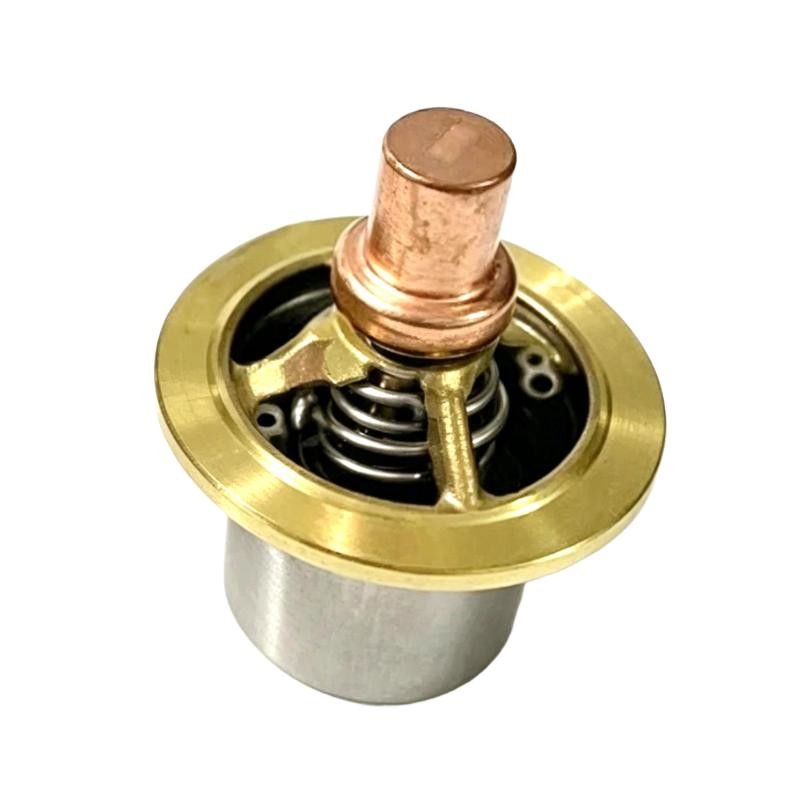
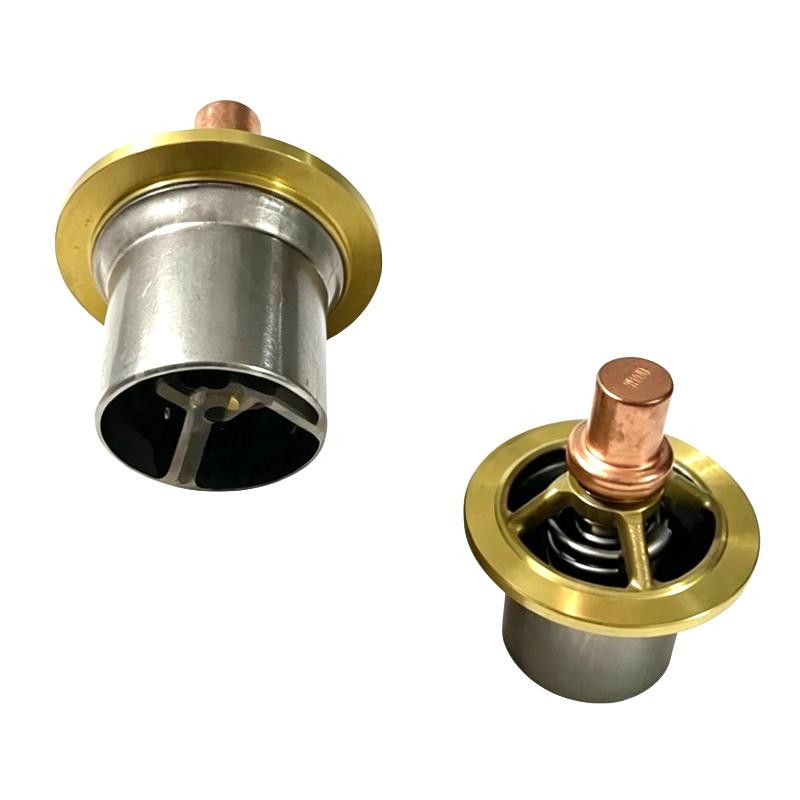
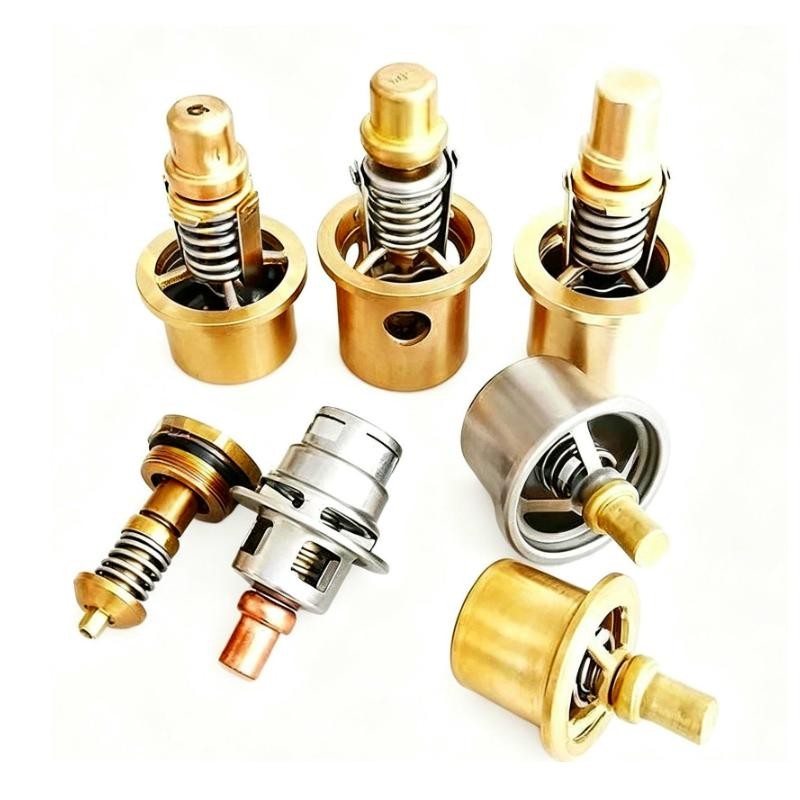
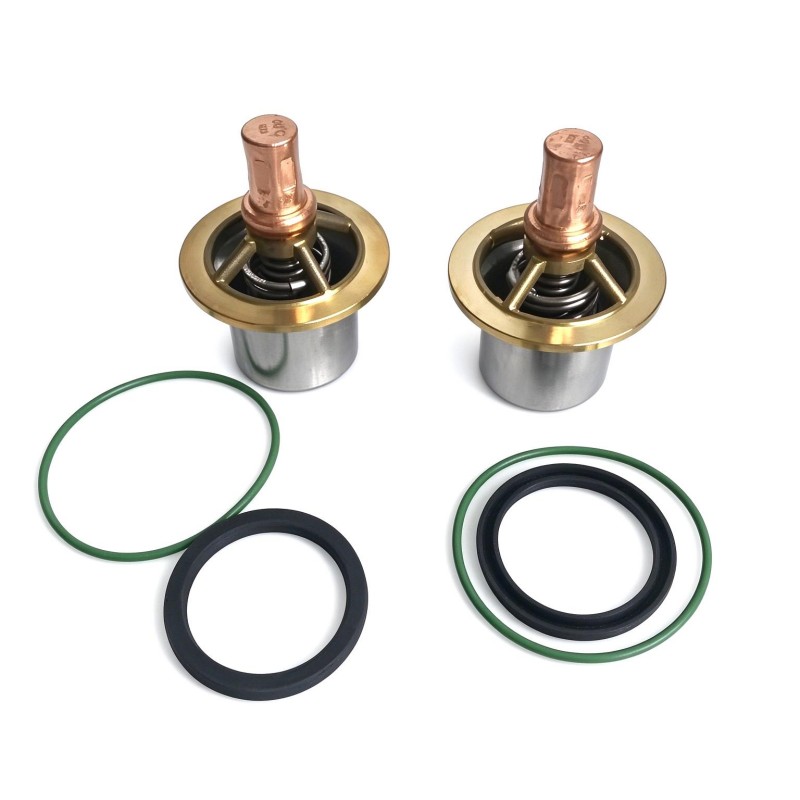
- Ingersoll Rand
- 47572166001 47552954001
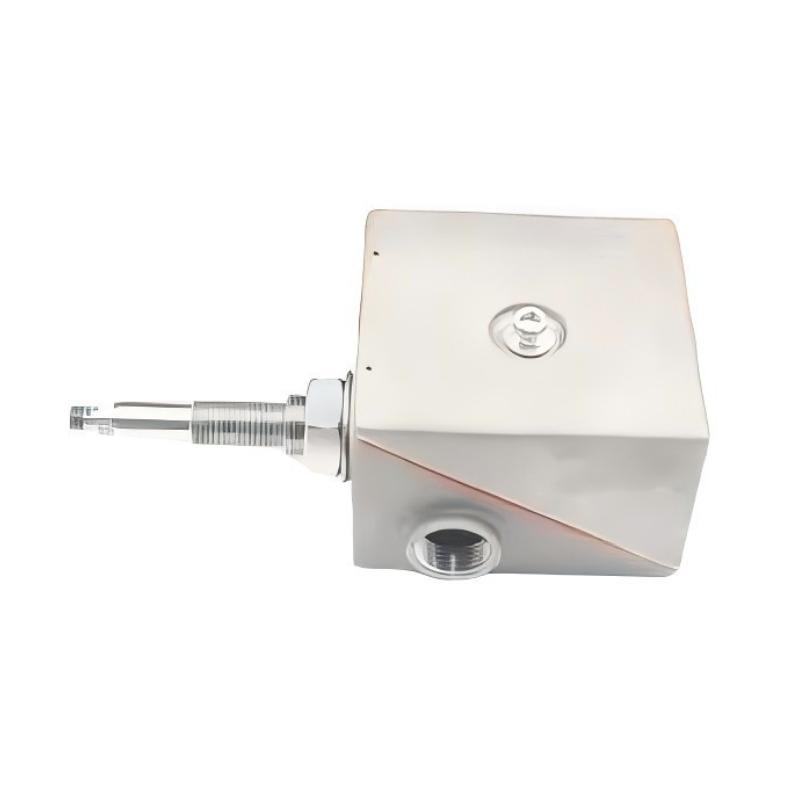
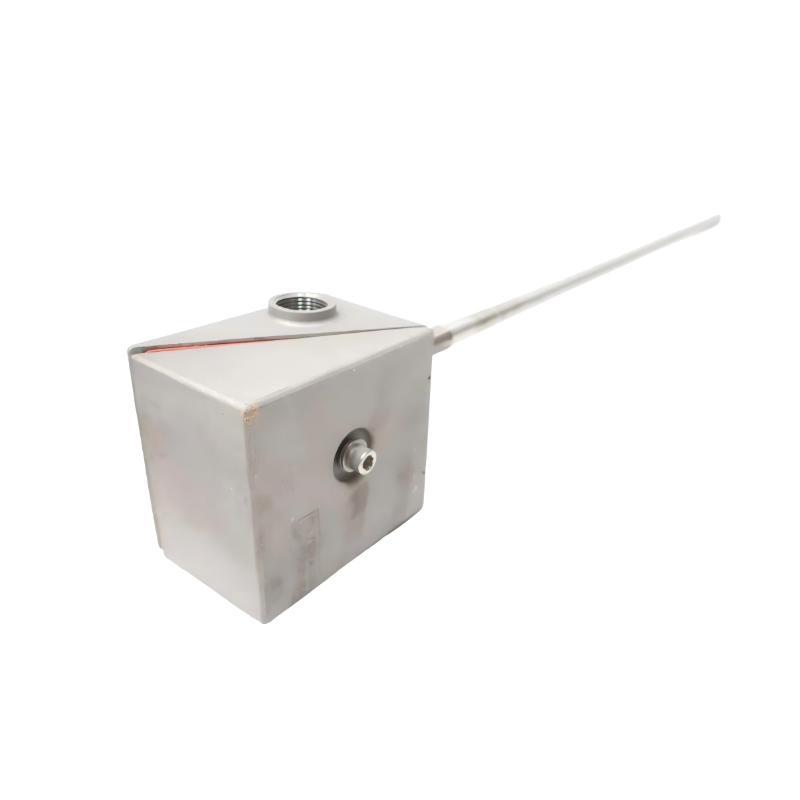
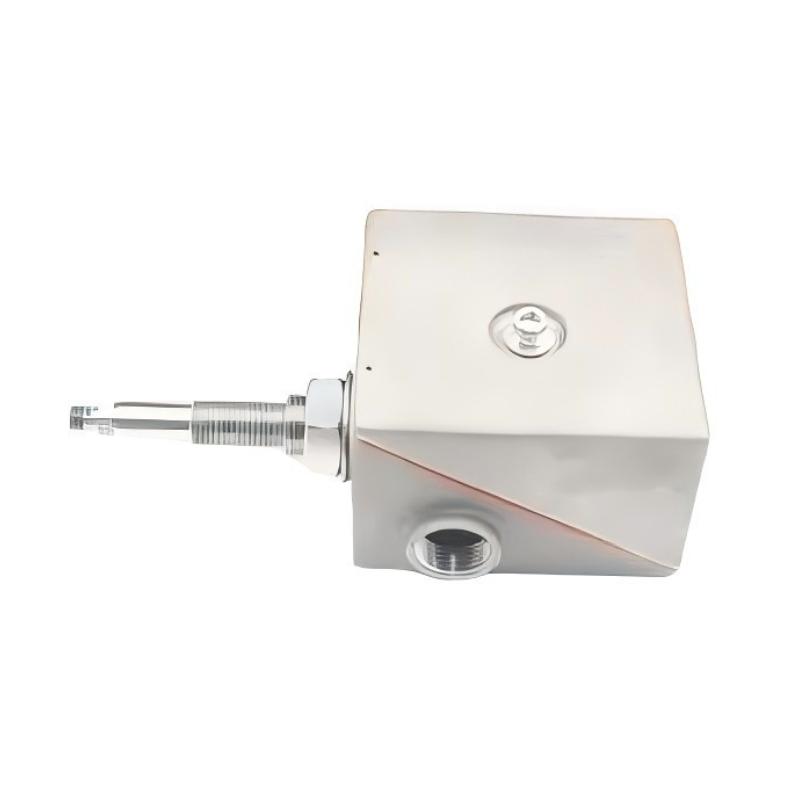
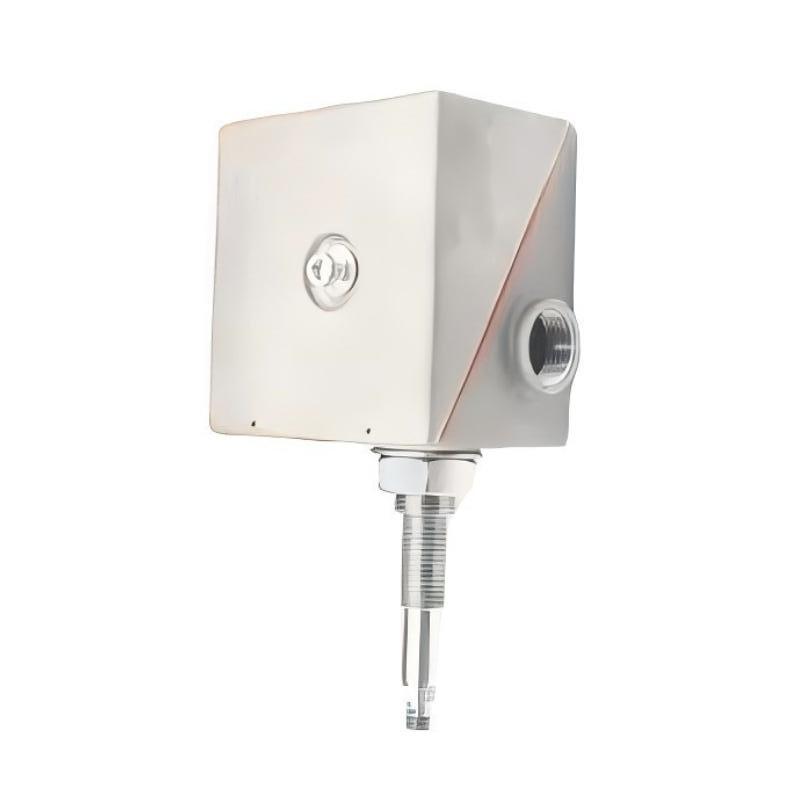
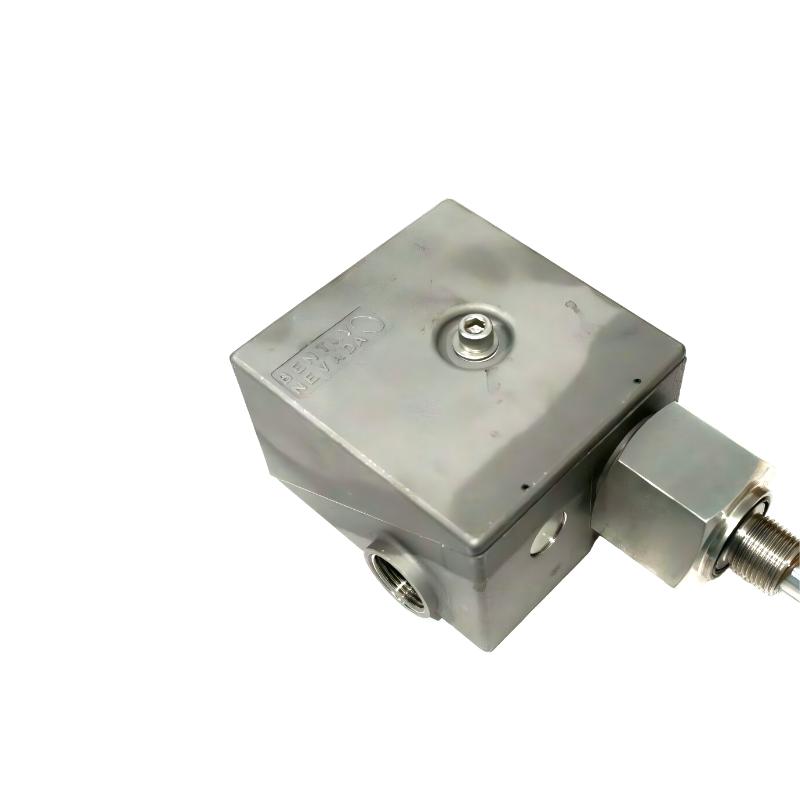
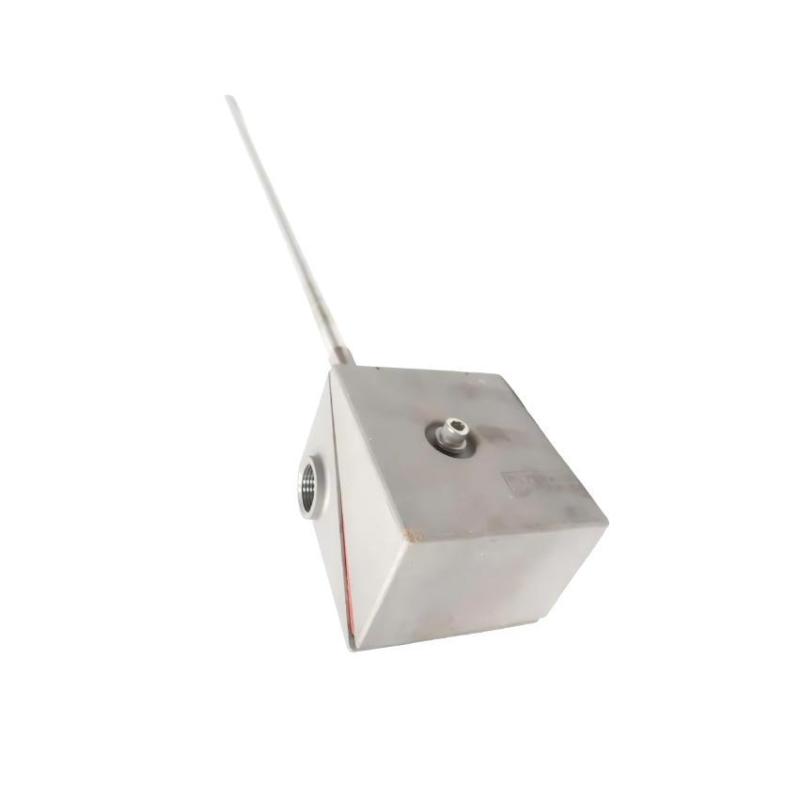
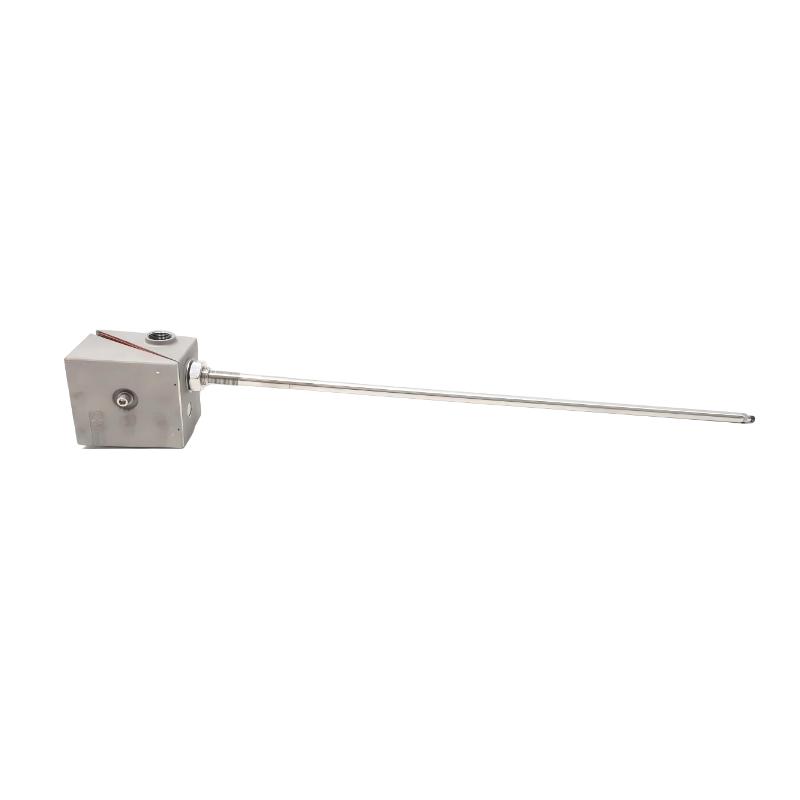
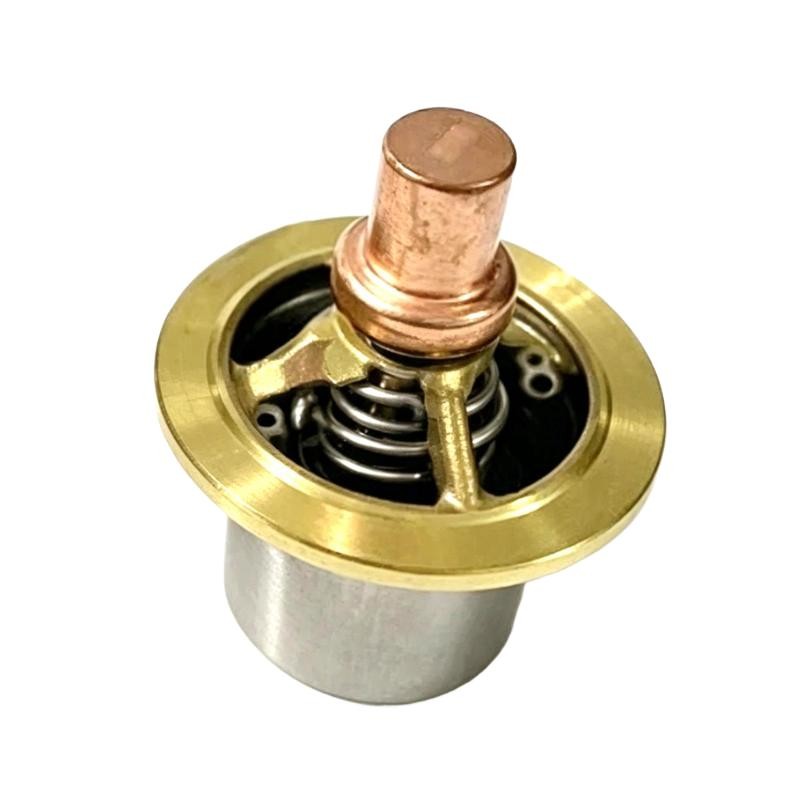
- Service Kit Thermostatic Valve
- USA
- 180 × 120 × 80 mm
- 1.0 kg
- Xiamen, China
- New & In Stock
- T/T, PayPal, Western Union
- 1 Year
- 1-3 Working Days
- DHL, UPS, TNT, FedEx and EMS.
- 24-Hour Service
- COO
- 5
Our advantage

Global Logistics
We have a 10-year logistics and express cooperation agreement, so our products can be shipped to any place in the world.

Brand new and original
Our products are imported in bulk from the place of origin. Because of the cooperative relationship, our products are all original and 100% new.

24-hour service
We provide 7*24 hours service to our customers. We will be there whenever you need us.

Price advantage
All our products are priced very favorably because we have our own warehouse and supply.
| Company Information | |||
| [email protected] | |||
| Mobile | +8615980777398 | ||
| +8615980777398 | |||
| 15980777398 |
Product Overview
The Ingersoll Rand 47572166001 47552954001 Service Kit Thermostatic Valve is a maintenance kit associated with the temperature regulation system of industrial air compressors. The thermostatic valve manages the routing of lubricating oil according to its temperature, helping the compressor reach its normal operating condition and preventing the lubrication circuit from operating outside its intended thermal range.
In an oil-injected rotary screw compressor, lubricating oil serves several functions at once. It reduces friction between moving components, seals the compression chamber, and carries away heat generated during compression. After leaving the air end, the oil passes through a circuit that may include the separator, oil filter, cooler, and thermostatic valve. The valve regulates the oil path through this circuit according to the thermal requirements of the compressor.
When the oil is relatively cool during startup, the thermostatic valve may direct more oil through a bypass path rather than the cooler. As the oil temperature rises, the valve progressively changes the flow distribution to allow more oil to pass through the cooling circuit. The precise opening temperature and flow arrangement depend on the valve design and compressor configuration.
The 47552954001 service kit is intended for maintenance of the applicable thermostatic valve assembly. Servicing this mechanism is relevant when a compressor experiences abnormal oil temperature behavior, provided that inspection confirms a valve-related fault. A valve that remains in the bypass position may contribute to overheating, while a valve that directs excessive flow through the cooler during warm-up can delay the oil reaching its intended operating temperature.
For maintenance engineers, the distinction between a thermostatic valve repair kit and a complete valve assembly matters. A service kit addresses the components included in the specified repair package; it does not automatically replace the valve body, oil cooler, oil filter, or associated pipework. The installed valve configuration and the kit contents should therefore be verified before maintenance begins.
Technical Specifications
| Parameter | Specification |
|---|---|
| Manufacturer | Ingersoll Rand |
| Model Reference | 47572166001 |
| Part Number | 47552954001 |
| Product Type | Service Kit Thermostatic Valve |
| Product Category | Rotary Screw Air Compressor Spare Part |
| Component Function | Thermostatic regulation of compressor oil flow |
| Primary Application | Maintenance of a compatible thermostatic valve assembly |
| System | Compressor lubrication and oil cooling circuit |
| Operating Principle | Temperature-responsive oil flow regulation |
| Typical Maintenance Purpose | Servicing worn or faulty thermostatic valve components |
| Installation Type | Valve service kit |
| Compatibility Requirement | Must match the installed valve and compressor configuration |
| Dimensions | 180 × 120 × 80 mm |
| Weight | 1.0 kg |
Product Features
- Temperature-responsive oil regulation: Supports the valve mechanism responsible for changing oil flow as operating temperature changes.
- Lubrication circuit maintenance: Addresses a component that influences how oil moves between the compressor and its cooling circuit.
- Warm-up control support: Helps restore the intended oil flow arrangement when a faulty thermostatic mechanism is responsible for abnormal warm-up behavior.
- Cooling circuit operation: Supports oil temperature regulation by allowing the valve to direct oil toward the cooler under the required conditions.
- Component-level servicing: Allows maintenance of the applicable valve assembly without automatically replacing the complete assembly.
- Part-number identification: The 47552954001 reference helps distinguish this service kit from other compressor valve repair products.
- Thermal fault investigation: Relevant when inspection identifies sticking, leakage, or deterioration within the thermostatic valve mechanism.
- Preventive maintenance application: Can be incorporated into an approved repair procedure when the valve requires service.
- Lubricant condition support: Helps maintain the intended oil circulation arrangement, although oil quality and cooler condition must also be assessed.
- Configuration-specific replacement: Requires confirmation of the valve design and kit contents before installation.
Working Principle
The thermostatic valve controls the distribution of lubricating oil according to its temperature. Rather than operating solely as a manually adjusted valve, its internal temperature-responsive mechanism changes the available flow paths as the oil warms during compressor operation.
Compressor Air End → Oil Separation Circuit → Thermostatic Valve → Oil Cooler or Bypass Path → Oil Filter and Lubrication Circuit
The exact order of the oil filter and cooler varies by compressor design, but the underlying purpose remains the same: regulate the oil temperature before the lubricant returns to the components that require it.
During a cold start, the oil may be directed through a bypass path to reduce unnecessary cooling. This helps the compressor approach its normal operating temperature without forcing the entire oil flow through the cooler from the beginning. As the oil heats up, the thermostatic element responds and changes the valve position, allowing a greater proportion of oil to pass through the cooler.
If the valve sticks in a bypass position, the cooling circuit may receive insufficient oil flow. The compressor can then experience rising oil temperature, thermal alarms, or shutdowns under sustained load. If the valve fails to regulate the bypass and cooling paths correctly in the opposite direction, the compressor may take longer to warm up or show unstable temperature behavior.
The 47552954001 service kit is relevant when the fault has been traced to serviceable components inside the applicable valve assembly. The precise internal arrangement and temperature response should not be assumed from the product title alone. During diagnosis, technicians should also inspect the cooler, oil filter, oil level, and flow passages, because restrictions or cooling-system faults can produce symptoms similar to a defective thermostatic valve.
Role in an Ingersoll Rand Compressor Lubrication System
The thermostatic valve forms part of the compressor’s oil temperature management circuit. It regulates the route taken by lubricating oil and helps balance warm-up requirements with the need to remove heat during continuous operation.
Oil Separation and Recovery → Thermostatic Valve → Cooling or Bypass Path → Lubrication Circuit → Compressor Air End
| System Component | Function |
|---|---|
| 47552954001 Service Kit | Services the applicable thermostatic valve mechanism |
| Thermostatic Valve Assembly | Regulates oil flow according to temperature conditions |
| Compressor Lubricating Oil | Lubricates internal components and carries away compression heat |
| Oil Cooler | Removes heat from circulating lubricant |
| Oil Filter | Removes contaminants from the oil circuit |
| Oil Separator Element | Separates entrained oil from compressed air |
| Oil Return Circuit | Returns recovered oil toward the lubrication system |
| Temperature Sensor | Monitors oil or system temperature where fitted |
| Pressure Monitoring Devices | Help assess operating conditions within the compressor |
| Compressor Controller | Monitors operating signals and manages compressor operation |
| Cooling Fan | Provides airflow through the cooler where the compressor uses a fan-cooled arrangement |
The service kit addresses the valve mechanism rather than the entire thermal management system. A successful repair depends on correct valve operation as well as adequate cooler performance, suitable lubricant condition, and unobstructed oil passages.
Industrial Applications
| Application | Typical Use |
|---|---|
| Manufacturing Plants | Maintaining oil temperature regulation in industrial compressor installations |
| Automotive Production | Supporting compressor maintenance in facilities with sustained pneumatic demand |
| Metalworking Facilities | Servicing thermostatic valve assemblies in compressors supplying machine tools and pneumatic equipment |
| Packaging Lines | Maintaining compressor thermal control during repeated production cycles |
| Plastics Processing | Supporting oil temperature regulation in compressed air systems serving production equipment |
| Textile Manufacturing | Maintaining lubrication circuit operation in compressors supplying pneumatic machinery |
| Industrial Assembly | Servicing compressor cooling and lubrication components during scheduled maintenance |
| Central Compressor Rooms | Addressing valve-related temperature problems in shared compressed air installations |
| Continuous-Duty Operations | Maintaining thermostatic regulation in compressors operating for extended periods |
| Industrial Utility Systems | Supporting compressor maintenance where stable oil temperature is required for normal operation |
The need for thermostatic valve servicing depends on the actual fault and operating history. Abnormal oil temperature should be investigated alongside cooler airflow, oil condition, filter restriction, and relevant temperature measurements before the valve is identified as the cause.
Installation and Maintenance
- Verify the kit reference: Confirm 47572166001 and 47552954001 against the compressor parts documentation and the installed thermostatic valve configuration.
- Isolate the compressor: Stop the machine, disconnect the required power sources, and follow the site’s lockout and tagout procedure before starting maintenance.
- Allow the oil to cool: Wait until the oil and surrounding components reach a safe temperature for servicing.
- Release stored pressure: Depressurize the relevant circuit according to the compressor service procedure before opening any oil system connections.
- Record the original arrangement: Note the valve orientation, oil connections, and internal component arrangement before disassembly.
- Inspect the valve body: Check the valve bore, seating surfaces, and connection points for contamination, wear, corrosion, or mechanical damage.
- Check the kit contents: Compare the supplied service components with the applicable parts list before removing or replacing internal parts.
- Clean the service area: Prevent dirt and foreign material from entering the lubrication circuit while cleaning the valve and surrounding connections.
- Install the replacement components: Follow the applicable service instructions for component orientation, seal placement, and tightening requirements.
- Inspect the cooling circuit: Check the oil cooler, filter, hoses, and passages for restriction or damage that could affect temperature regulation.
- Monitor temperature behavior: After reassembly and an approved restart, observe oil temperature, leakage, and operating alarms while the compressor warms up.
- Document the maintenance results: Record the installed kit number, identified fault, replaced components, and operating observations for future troubleshooting.
If the compressor continues to overheat after the valve has been serviced, check cooler airflow, oil level, filter restriction, temperature sensing, and oil circulation before replacing additional valve components.
Related Components
| Component | Function |
|---|---|
| Ingersoll Rand 47552954001 | Thermostatic valve service kit for the applicable compressor configuration |
| Thermostatic Valve Assembly | Regulates oil flow through cooling and bypass paths |
| Compressor Oil Cooler | Removes heat from circulating lubricating oil |
| Compressor Oil Filter | Removes contaminants from the lubrication circuit |
| Compressor Lubricating Oil | Provides lubrication and carries away heat from the air end |
| Oil Separator Element | Separates oil from compressed air |
| Oil Hoses and Pipework | Carry oil between the compressor’s lubrication and cooling components |
| Temperature Sensor | Provides temperature information where fitted |
| Cooling Fan Assembly | Moves cooling air through the cooler where applicable |
| Valve Sealing Components | Help prevent oil leakage at valve interfaces |
Recommended Related Models
| Model / Product Reference | Product Type | Typical Application |
|---|---|---|
| Ingersoll Rand 47552954001 | Service Kit Thermostatic Valve | Servicing the specified thermostatic valve assembly |
| Ingersoll Rand Thermostatic Valve Assembly | Oil Temperature Control Valve | Regulating oil flow through the cooling and bypass paths |
| Ingersoll Rand Oil Cooler Assembly | Compressor Cooling Component | Removing heat from circulating lubricant |
| Ingersoll Rand Oil Filter Element | Compressor Oil Filtration Component | Filtering circulating oil in compatible compressor configurations |
| Ingersoll Rand Oil Separator Element | Air/Oil Separation Component | Separating lubricating oil from compressed air |
| Ingersoll Rand Rotary Screw Compressor | Industrial Air Compressor | Compressed air generation in configurations using the specified valve kit |
Key Advantages
- Supports servicing of the thermostatic valve in compatible compressor configurations.
- Helps restore temperature-responsive oil flow when internal valve wear is responsible.
- Supports oil warm-up and cooling regulation during different operating conditions.
- Allows repair of applicable valve components without automatically replacing the complete assembly.
- Helps maintenance teams investigate oil temperature faults systematically.
- Provides a defined part number for service identification and maintenance records.
Technical FAQs
What compressor symptoms may indicate a thermostatic valve problem?
Unusually high oil temperature, slow warm-up, or repeated thermal alarms may indicate a problem with the thermostatic valve. These symptoms can also result from restricted oil flow, a dirty cooler, inadequate cooling airflow, or inaccurate temperature readings. Diagnosis should include the complete oil temperature management circuit.
How does the thermostatic valve affect compressor warm-up?
During startup, the valve may direct oil through a bypass path to limit cooling while the lubricant is still relatively cold. As the oil temperature rises, the valve changes the flow distribution to increase cooling. A malfunctioning valve can interfere with this process and prevent the compressor from reaching its intended thermal operating condition.
Does the 47552954001 kit replace the complete thermostatic valve?
The product is identified as a thermostatic valve service kit, not a complete valve assembly. Its exact contents should be checked against the applicable parts list. If the valve body or mounting interfaces are damaged, replacing the internal service components alone may not be sufficient.
What should be checked before installing the 47552954001 service kit?
Confirm the compressor model, installed valve configuration, and specified kit reference. Before reassembly, inspect the valve body, sealing surfaces, oil passages, cooler, and filter. Following installation, verify that oil temperature behavior and valve operation return to the expected range under the compressor’s approved operating procedure.