

ProductPRODUCT
Featured products
Contact Us
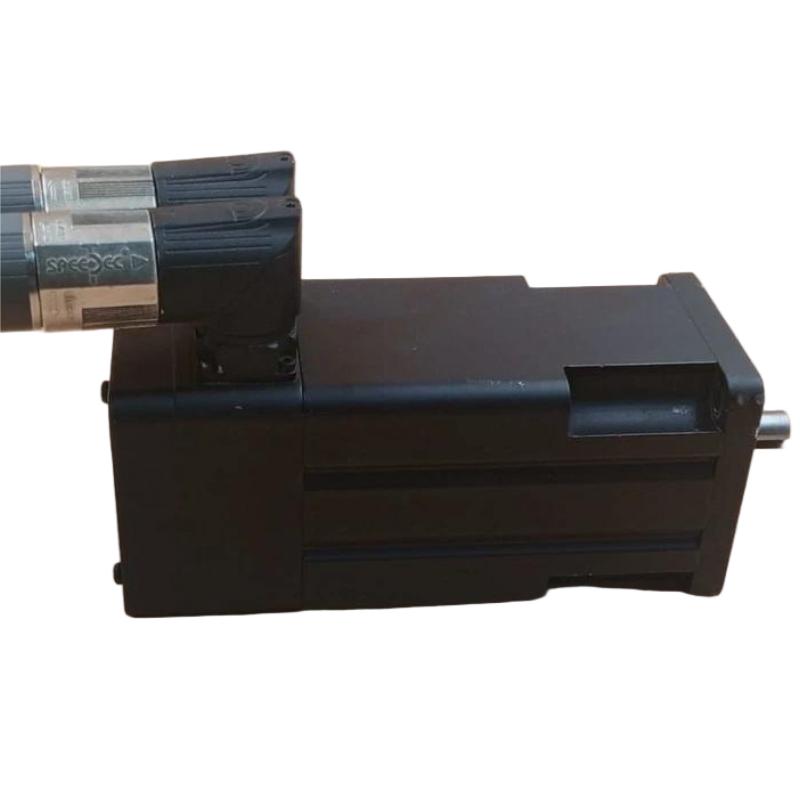
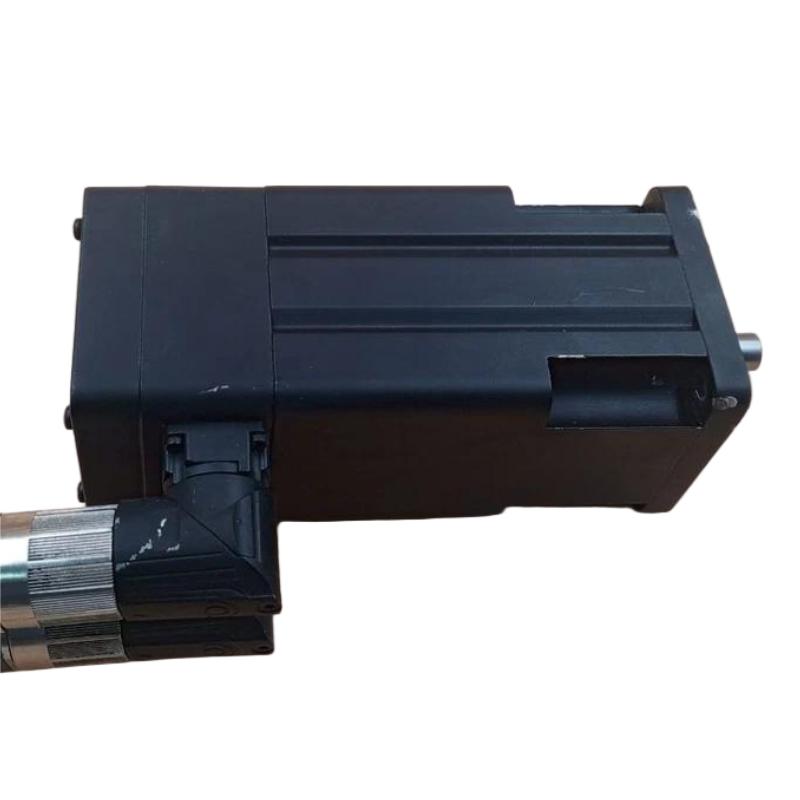
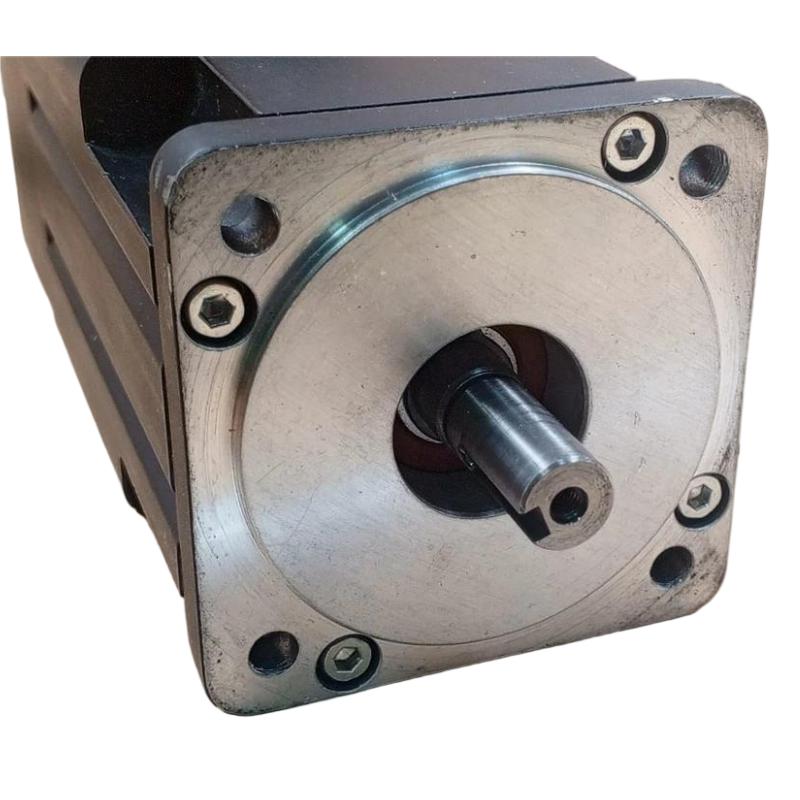
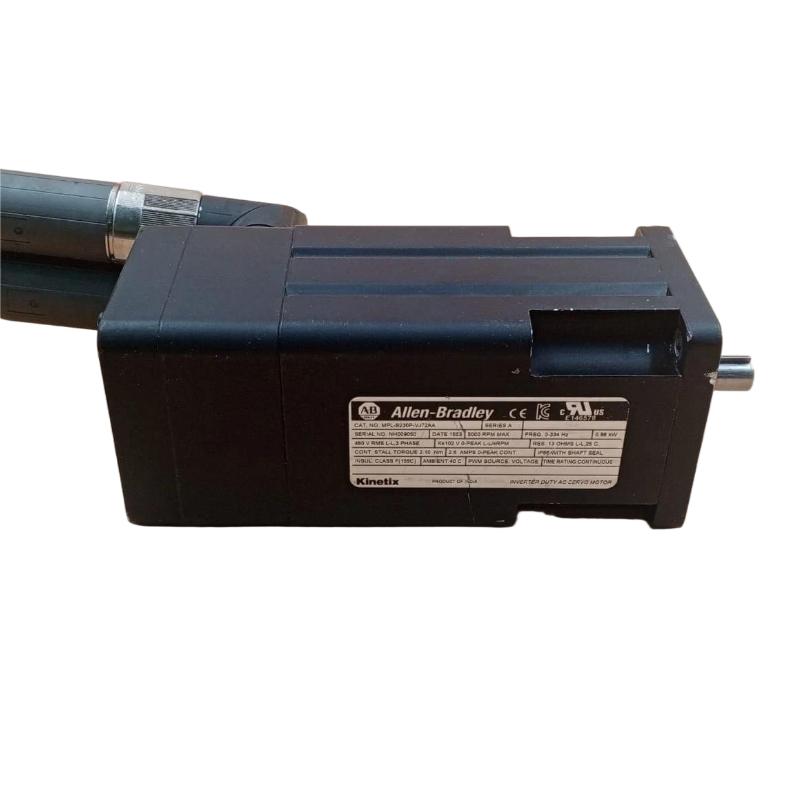
- Allen Bradley
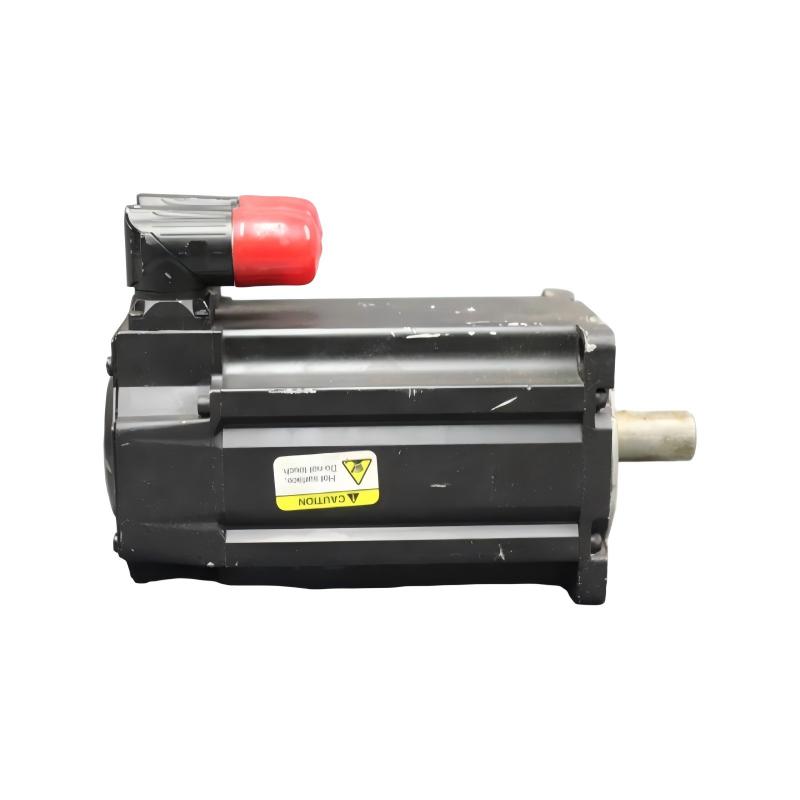
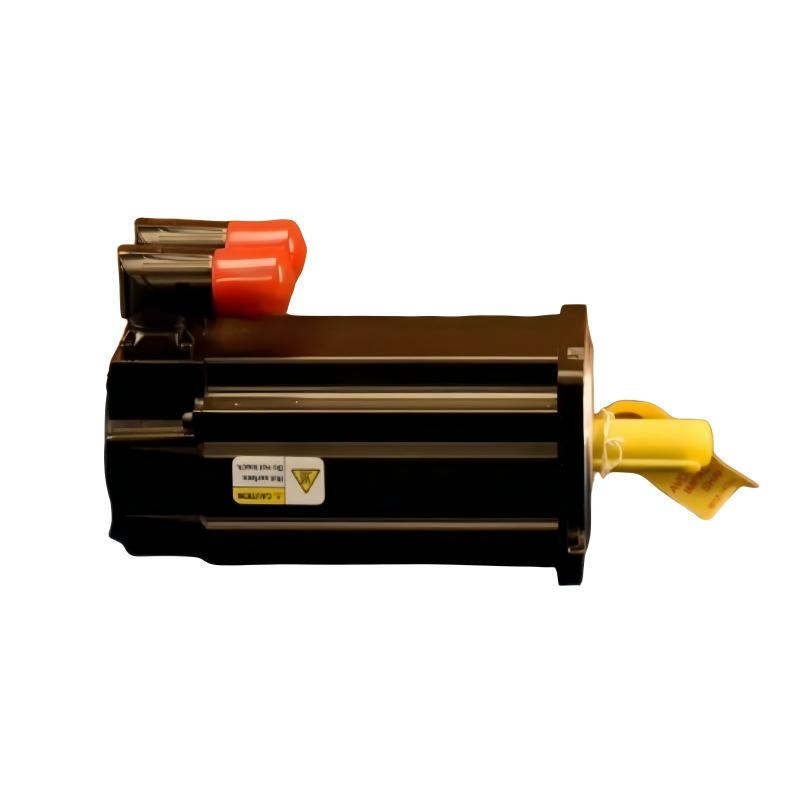
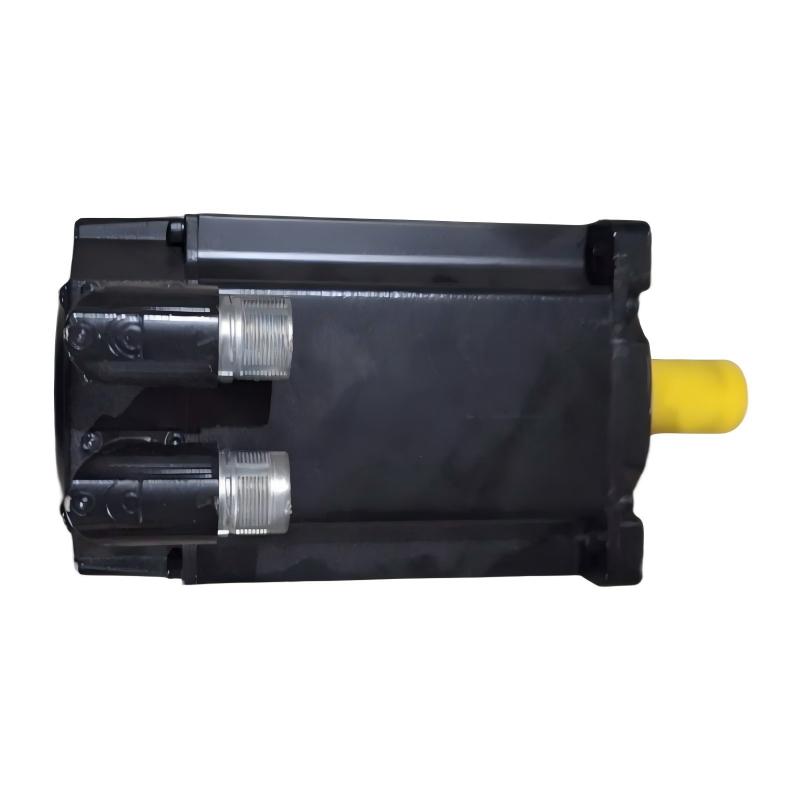
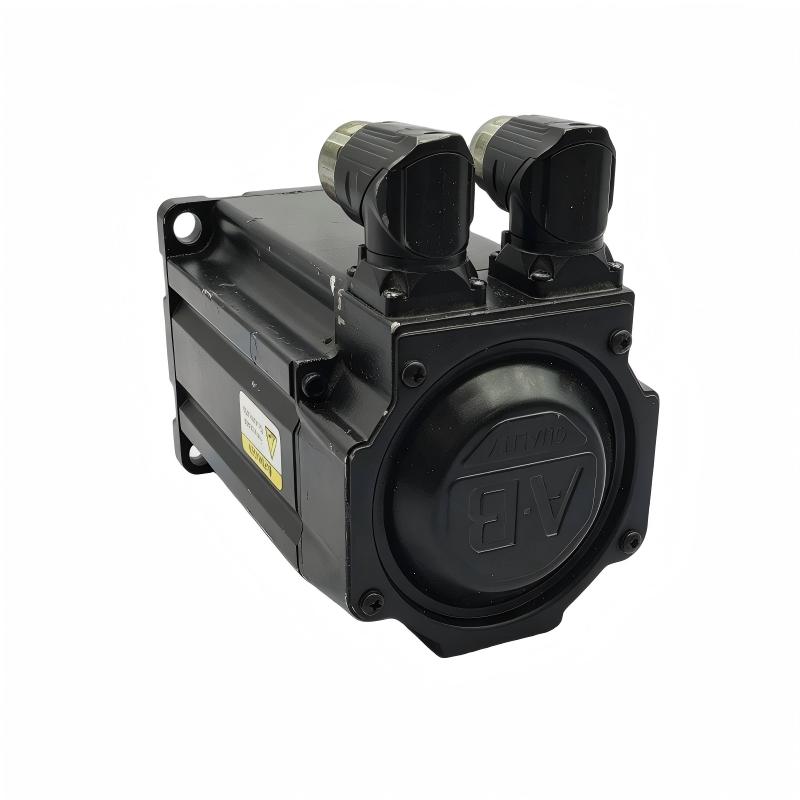
- MPL-B230P-HJ74AA
- Servo Motor
- USA
- 75 mm
- 2.6 kg
- Xiamen, China
- New & In Stock
- T/T, PayPal, Western Union
- 1 Year
- 1-3 Working Days
- DHL, UPS, TNT, FedEx and EMS.
- 24-Hour Service
- COO
- 4
Our advantage

Global Logistics
We have a 10-year logistics and express cooperation agreement, so our products can be shipped to any place in the world.

Brand new and original
Our products are imported in bulk from the place of origin. Because of the cooperative relationship, our products are all original and 100% new.

24-hour service
We provide 7*24 hours service to our customers. We will be there whenever you need us.

Price advantage
All our products are priced very favorably because we have our own warehouse and supply.
| Company Information | |||
| [email protected] | |||
| Mobile | +8615980777398 | ||
| +8615980777398 | |||
| 15980777398 |
Product Overview
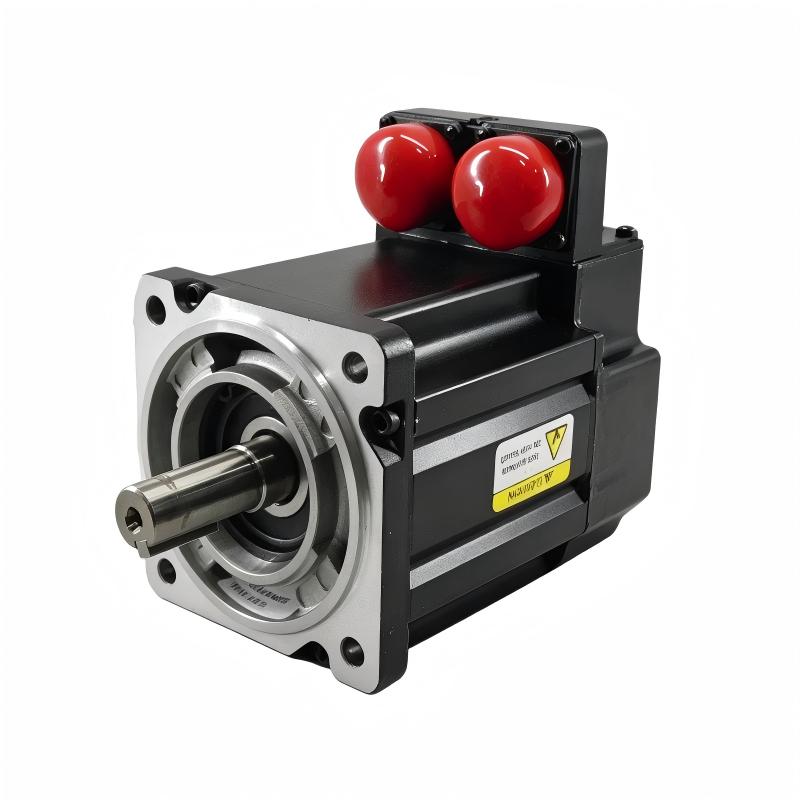
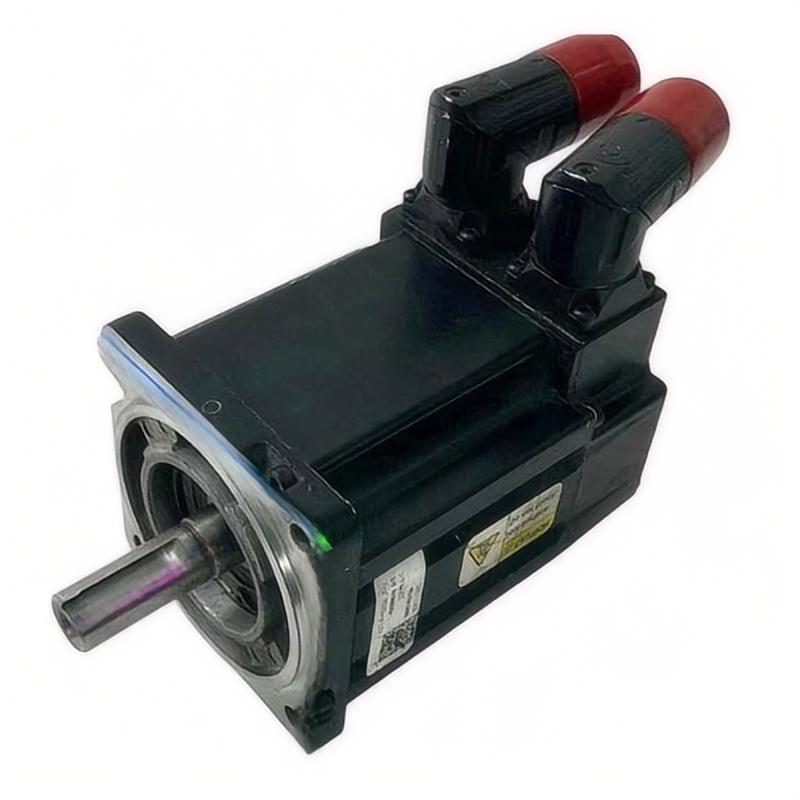
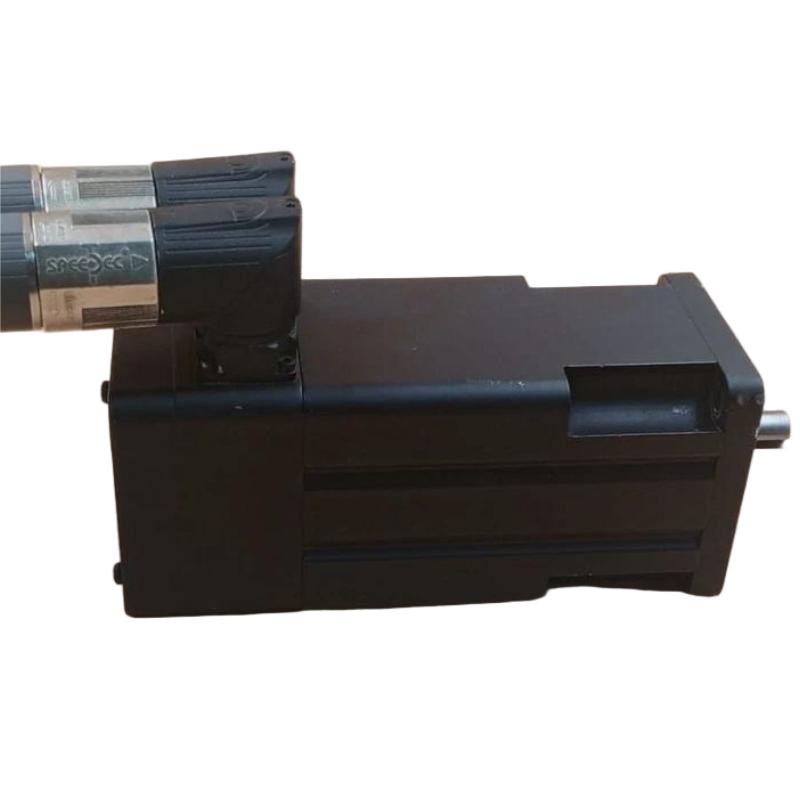
The Allen Bradley MPL-B230P-HJ74AA Servo Motor is an industrial motion-control component designed for applications requiring controlled rotary motion, accurate positioning, and coordinated operation with a compatible servo drive. As part of the Allen-Bradley Kinetix motion-control ecosystem, MPL-series servo motors are associated with automated machinery where repeatable movement, controlled acceleration, and dependable dynamic performance are important.
Servo motors are commonly used in manufacturing equipment that must move mechanical components according to programmed position, velocity, or torque commands. Depending on the application and the selected feedback and drive configuration, a servo system can control the movement of conveyor mechanisms, packaging equipment, indexing tables, assembly stations, and other automated machinery.
The MPL-B230P-HJ74AA is identified by the supplied product description as an Allen-Bradley servo motor with a 75 mm frame size and a weight of approximately 2.6 kg. Its compact physical profile can be useful in installations where motor dimensions, mounting space, and moving-system mass must be considered during equipment design.
For industrial users, selecting the correct servo motor involves more than matching the frame size. Rated power, continuous and peak torque, rated speed, feedback configuration, shaft and mounting dimensions, connector arrangement, and drive compatibility must all be verified against the exact catalog number. These details are particularly important when replacing a motor in an existing motion-control system.
Technical Specifications
| Parameter | Specification |
|---|---|
| Manufacturer | Allen-Bradley |
| Product Brand | Allen-Bradley / Rockwell Automation |
| Model | MPL-B230P-HJ74AA |
| Product Type | Servo Motor |
| Product Series | MPL Servo Motor Family |
| Frame Size | 75 mm |
| Weight | 2.6 kg |
| Motor Function | Controlled rotary motion for industrial automation |
| Control System | Compatible servo drive and motion controller |
| Feedback | Verify the exact feedback device and interface |
| Rated Power | Confirm from the exact motor nameplate or catalog specification |
| Rated Torque | Confirm from the exact motor specification |
| Rated Speed | Confirm from the exact motor specification |
| Mounting | Verify flange, shaft, and mechanical interface dimensions |
| Electrical Connection | Confirm connector and cable requirements |
| Typical Applications | Packaging, assembly, indexing, and automated machinery |
The frame size and weight above are based on the supplied product information. Other electrical and mechanical ratings should be verified for the complete catalog number before engineering, installation, or replacement.
What Is the Allen Bradley MPL-B230P-HJ74AA Servo Motor?
A servo motor is designed to operate as part of a motion-control system rather than simply running continuously at a fixed speed. The associated servo drive regulates motor current and applies control commands to produce the required movement. Where feedback is provided, the system can compare actual motor behavior with the commanded position, speed, or torque and make adjustments to reduce tracking error.
This closed-loop approach is useful when a machine must repeatedly move to defined positions or maintain coordinated motion between multiple axes.
The MPL-B230P-HJ74AA designation identifies the motor as part of the Allen-Bradley MPL family. However, the exact electrical ratings and feedback characteristics of this specific variant should be confirmed from its complete product documentation rather than inferred from the model prefix alone.
A typical servo-control arrangement consists of:
Motion Controller → Servo Drive → Servo Motor → Mechanical Load
Feedback signals, where supported by the selected configuration, are returned through the designated feedback path to support motion regulation.
Function and Working Principle
1. Command Reception
The motion controller generates a position, speed, or torque command according to the machine program. The command may represent a movement distance, a target position, a required rotation rate, or a specific force-related operating condition.
The servo drive receives the applicable command through its supported control interface and prepares the electrical output required by the motor.
2. Electrical Power Conversion
The servo drive converts the incoming electrical power into controlled motor output. By adjusting the electrical excitation supplied to the motor, the drive regulates the torque and rotational behavior needed to execute the commanded motion.
The appropriate drive must be selected according to the motor’s verified voltage, current, feedback, and performance requirements.
3. Electromagnetic Torque Generation
When energized, the motor produces electromagnetic torque that rotates its shaft. The shaft transfers mechanical power to the connected load through a suitable coupling, gearbox, belt, screw mechanism, or other transmission arrangement.
The motor and transmission must be selected together so that the required torque, acceleration, speed, and positioning accuracy can be achieved without exceeding the equipment’s operating limits.
4. Motion Feedback and Regulation
Where the motor is equipped with a compatible feedback device, the servo system uses feedback information to evaluate actual motion. The drive can compare this information with the commanded behavior and adjust its output accordingly.
The specific feedback technology and supported resolution for the MPL-B230P-HJ74AA must be verified before configuring the servo drive.
5. Coordinated Machine Operation
In a multi-axis machine, a motion controller may coordinate several servo axes to maintain a defined relationship between their movements. This can support synchronized feeding, cutting, transfer, indexing, and positioning operations.
The motor supplies the mechanical movement, while the controller and drive determine how that movement is commanded and regulated.
Role in Industrial Motion-Control Systems
The Allen Bradley MPL-B230P-HJ74AA can serve as the electromechanical actuator in a compatible servo-control arrangement. Its function is to convert controlled electrical power into rotary movement for the machine mechanism.
In a typical automation system, the motion controller determines the desired trajectory, the servo drive regulates motor operation, and the motor moves the connected load. Feedback and diagnostic information help the system monitor performance and identify certain operating abnormalities.
The principal system functions include:
- Rotary motion generation
- Controlled acceleration and deceleration
- Positioning and indexing
- Speed regulation
- Torque production
- Coordinated axis movement
- Motion-status monitoring through the supported drive system
Actual performance depends on the complete motor and drive configuration, mechanical load, tuning, feedback arrangement, and operating conditions.
Industrial Applications
Packaging Machinery
Servo motors are commonly used in packaging machines for controlled product feeding, indexing, cutting, sealing mechanisms, and synchronized material movement. Precise motion can help maintain repeatable machine cycles and product placement.
Assembly Automation
Automated assembly equipment may use servo-driven mechanisms to position components, move tooling, or coordinate multiple operations. The selected motor must meet the required acceleration, torque, duty cycle, and positioning specifications.
Material Handling Systems
Servo systems can control transfer mechanisms, indexing stations, and positioning devices within material handling equipment. Proper sizing is important when the load has substantial inertia or requires frequent starts and stops.
Printing and Converting Equipment
Servo-driven axes may regulate material feeding, web positioning, cutting, and synchronization between machine sections. Stable motion control can help maintain consistent process timing and movement.
Pick-and-Place Machinery
Pick-and-place equipment uses coordinated motion to move products or components between defined locations. Motor selection depends on the required travel profile, load inertia, cycle time, and mechanical design.
Automated Inspection and Test Equipment
Servo motors may position fixtures, sensors, test heads, or workpieces. Repeatable motion can support consistent measurement locations and automated inspection sequences.
These are general applications of industrial servo motors. Suitability for a specific machine depends on the verified performance ratings and compatibility of the complete motion-control system.
Installation and Mechanical Integration
Correct installation helps prevent premature wear, excessive vibration, positioning errors, and motor or drive faults.
Confirm Motor Identification
Before installation, check the complete model designation MPL-B230P-HJ74AA on the motor label. Compare it with the equipment bill of materials and the existing motor documentation.
Do not assume that a motor with the same frame size is electrically interchangeable with another MPL model.
Verify Mounting Dimensions
Confirm the mounting flange, bolt pattern, shaft diameter, shaft length, keyway or other shaft features, and allowable installation orientation. The supplied 75 mm frame size does not replace the detailed mechanical drawing.
The motor should be mounted on a sufficiently rigid surface. Incorrect alignment or a poorly supported load can introduce vibration and excessive bearing stress.
Check Coupling and Load Alignment
Align the motor shaft with the driven mechanism according to the applicable mechanical specifications. Excessive radial or axial loading can shorten bearing life and impair motion performance.
Where a gearbox, belt drive, or screw mechanism is used, confirm that the transmission is suitable for the motor’s torque and speed requirements.
Protect the Motor and Cables
Route power and feedback cables according to the approved installation design. Avoid sharp bends, cable tension, abrasion, and routing arrangements that expose feedback wiring to excessive electrical interference.
Use the correct connectors and cables for the exact motor variant and compatible drive.
Confirm Environmental Conditions
Check the motor’s specified operating temperature, contamination protection, and environmental limits before installation. If the application involves moisture, oil, dust, washdown, or other demanding conditions, confirm that the motor and associated connectors are suitable.
Electrical Integration and Commissioning
Verify Servo Drive Compatibility
Select a drive that explicitly supports the exact motor configuration. Confirm rated voltage, current requirements, feedback compatibility, supported motor identification, and the necessary power and feedback cables.
Do not select a drive based solely on the motor’s frame size or general series designation.
Configure Motor Parameters
Enter or select the correct motor configuration using the supported drive or engineering software. Confirm the rated motor parameters against the nameplate and applicable technical data.
Incorrect motor identification or parameter settings can result in poor control performance, nuisance faults, excessive current, or unsafe machine behavior.
Check Feedback Configuration
Where feedback is used, verify that the feedback device, cable, connectors, and drive interface are compatible. Incorrect feedback wiring or configuration can prevent successful startup or cause position and speed errors.
Perform Controlled Commissioning
Before enabling motion, inspect the mechanical installation, confirm that the load can move safely, and verify the machine’s emergency-stop and protective arrangements.
Commission the system using the equipment manufacturer’s approved procedures. Begin with suitable low-risk test movements and confirm the direction of rotation, response to commands, feedback behavior, and fault handling before releasing the machine for normal operation.
Troubleshooting the MPL-B230P-HJ74AA Servo Motor
Servo-system faults may originate in the motor, drive, feedback circuit, power supply, mechanical transmission, or controller configuration. Troubleshooting should therefore consider the complete motion-control system.
Motor Does Not Rotate
Possible causes include:
- Drive not enabled
- Missing or incorrect power connections
- Active drive fault
- Incorrect motor configuration
- Feedback connection problem
- Controller command not being issued
- Mechanical obstruction
- Drive and motor incompatibility
Review the drive’s diagnostic information first. Confirm the command state, enable conditions, power connections, and exact motor configuration before testing individual components.
Servo Drive Reports a Feedback Fault
A feedback-related fault may be associated with a damaged cable, loose connector, incompatible feedback configuration, wiring error, or a problem with the feedback device.
Inspect the feedback path according to the approved maintenance procedure. Confirm that the selected drive configuration matches the installed motor. Do not assume that replacing the motor is necessary until the cable and drive interface have been checked.
Positioning Error or Unstable Motion
Positioning problems may result from incorrect tuning, excessive load inertia, loose mechanical couplings, backlash, feedback issues, unsuitable motion profiles, or an incorrect motor configuration.
Check the mechanical transmission and review the drive’s available diagnostic data. Tuning adjustments should be made systematically and within the motor and drive operating limits.
Excessive Motor Temperature
Possible causes include an excessive mechanical load, frequent high-torque operation, poor ventilation, incorrect motor parameters, or operation outside the specified duty cycle.
Compare the actual operating conditions with the motor’s rated characteristics. Check the mechanical load and drive diagnostics before returning the machine to service.
Abnormal Noise or Vibration
Unusual noise or vibration can indicate shaft misalignment, a loose mounting arrangement, a damaged coupling, bearing wear, mechanical resonance, or unstable control tuning.
Inspect the mechanical assembly and determine whether the vibration originates from the motor or the driven mechanism. Stop operation when noise or vibration suggests a potentially serious mechanical fault.
Intermittent Operation
Intermittent faults may be caused by loose connectors, damaged cables, unstable power, overheating, electrical interference, or intermittent drive protection events.
Record the fault history and operating conditions. Inspect connectors and cable routing, and compare the event timing with machine load, temperature, and movement patterns.
Maintenance Recommendations
A structured maintenance program helps maintain dependable servo performance.
Inspect mechanical mounting: Check mounting hardware, coupling alignment, and the condition of the driven mechanism.
Inspect cables and connectors: Look for abrasion, damaged insulation, loose connections, and excessive strain.
Monitor drive diagnostics: Review available fault records, temperature indications, current behavior, and motion-related alarms.
Check operating conditions: Confirm that the application remains within the motor’s specified load, speed, temperature, and duty-cycle limits.
Keep the installation clean: Prevent excessive accumulation of dust, oil, and other contaminants, subject to the motor’s actual environmental rating.
Maintain configuration records: Record motor identification, drive settings, replacement history, and commissioning results.
Use safe maintenance procedures: Isolate equipment and follow applicable lockout procedures before working on the motor, drive, or mechanical transmission.
Maintenance activities should follow the equipment manufacturer’s instructions and the needs of the application.
Compatible System Components
The MPL-B230P-HJ74AA should be integrated only with components verified for the exact motor variant. A typical servo-control system may include the following component categories.
| Component | Function |
|---|---|
| Compatible Allen-Bradley Servo Drive | Supplies controlled electrical power to the motor |
| Motion Controller | Generates motion commands and coordinates axes |
| Motor Power Cable | Connects the motor to the drive |
| Compatible Feedback Cable | Transfers feedback information when supported |
| Motion-Control Software | Supports configuration, tuning, and diagnostics |
| Mechanical Coupling | Transfers motor torque to the driven load |
| Gearbox or Transmission | Adapts torque and speed where required |
| Machine Feedback and Limit Devices | Provide additional machine-position or status information |
| Protective and Isolation Equipment | Supports the system’s electrical protection design |
Specific drive models, cables, and accessories should be selected only after checking the full motor catalog number, connector type, feedback interface, electrical ratings, and application requirements.
Replacement and Procurement Considerations
When purchasing or replacing the Allen Bradley MPL-B230P-HJ74AA Servo Motor, confirm that the supplied unit matches the installed motor and the machine’s requirements.
Important checks include:
- Full catalog number: MPL-B230P-HJ74AA
- Frame size: 75 mm
- Listed weight: 2.6 kg
- Rated voltage and current
- Rated and peak torque
- Rated speed
- Feedback type and interface
- Shaft and mounting dimensions
- Connector arrangement
- Compatible servo drive
- Environmental and duty-cycle requirements
- Product condition and revision information, where applicable
The physical specifications help with preliminary space planning and shipping arrangements, but they do not establish electrical interchangeability. A replacement should be confirmed against the original motor’s nameplate, mechanical drawings, and motion-system configuration.
If the original motor is being replaced in an established machine, record the existing wiring and drive configuration before removal. After replacement, complete the necessary mechanical checks, configuration verification, and controlled commissioning tests.
Key Advantages
Compact Mechanical Profile
The supplied 75 mm frame size and 2.6 kg weight make the motor’s physical envelope relevant to compact machinery and space-constrained installations.
Controlled Rotary Motion
When paired with a compatible servo drive and controller, the motor can provide the rotary movement needed for positioning, indexing, and coordinated machine operations.
Integration into Automated Machinery
Servo motors are suitable for a broad range of motion-control applications where repeatable movement and coordinated operating sequences are required.
System-Level Diagnostic Support
The associated drive and controller may provide diagnostic information that helps maintenance personnel investigate motion faults and operating abnormalities.
Flexible Application Design
The motor can be considered for different machine mechanisms when its verified torque, speed, feedback, and mechanical characteristics satisfy the application requirements.
Technical FAQs
What is the Allen Bradley MPL-B230P-HJ74AA?
It is identified as an Allen-Bradley MPL-series servo motor designed for integration into a compatible industrial motion-control system.
What is the frame size of the MPL-B230P-HJ74AA?
The supplied frame size is 75 mm.
How much does the servo motor weigh?
The supplied weight is 2.6 kg.
Does this motor operate without a servo drive?
A servo motor requires an appropriate electrical drive arrangement to operate as intended. The compatible drive must be selected according to the motor’s verified electrical and feedback requirements.
What applications use this type of servo motor?
Potential applications include packaging machinery, assembly equipment, indexing systems, material handling, and other automated machines requiring controlled rotary motion. The motor’s actual suitability depends on its verified performance specifications.
How can I select a compatible servo drive?
Check the motor’s complete catalog number, rated voltage, current, torque, speed, feedback interface, and connector requirements. Confirm the selected drive’s compatibility with the exact motor variant.
What causes servo motor positioning errors?
Potential causes include incorrect tuning, feedback problems, excessive load inertia, mechanical misalignment, backlash, loose couplings, and incorrect motor configuration.
Can another MPL-series motor replace the MPL-B230P-HJ74AA?
Not automatically. Models within the same family may have different electrical ratings, feedback configurations, connectors, and mechanical characteristics. Confirm all relevant specifications before substitution.
Conclusion
The Allen Bradley MPL-B230P-HJ74AA Servo Motor is an industrial motion-control component intended for applications requiring controlled rotary movement and integration with a compatible servo drive and controller. Servo systems can support accurate positioning, coordinated movement, and repeatable machine operations when the motor, drive, feedback configuration, and mechanical load are correctly matched.
With a supplied 75 mm frame size and a weight of 2.6 kg, the motor’s compact dimensions are useful considerations for machinery design, installation planning, and replacement logistics. Reliable operation depends on correct motor identification, suitable drive selection, proper mechanical alignment, appropriate electrical connections, and systematic commissioning.
Before purchasing or installing the MPL-B230P-HJ74AA, verify its complete catalog identity and all relevant electrical, feedback, and mechanical specifications. This ensures that the motor is appropriate for the intended application and supports dependable performance throughout the machine’s operating life.