

ProductPRODUCT
Featured products
Contact Us
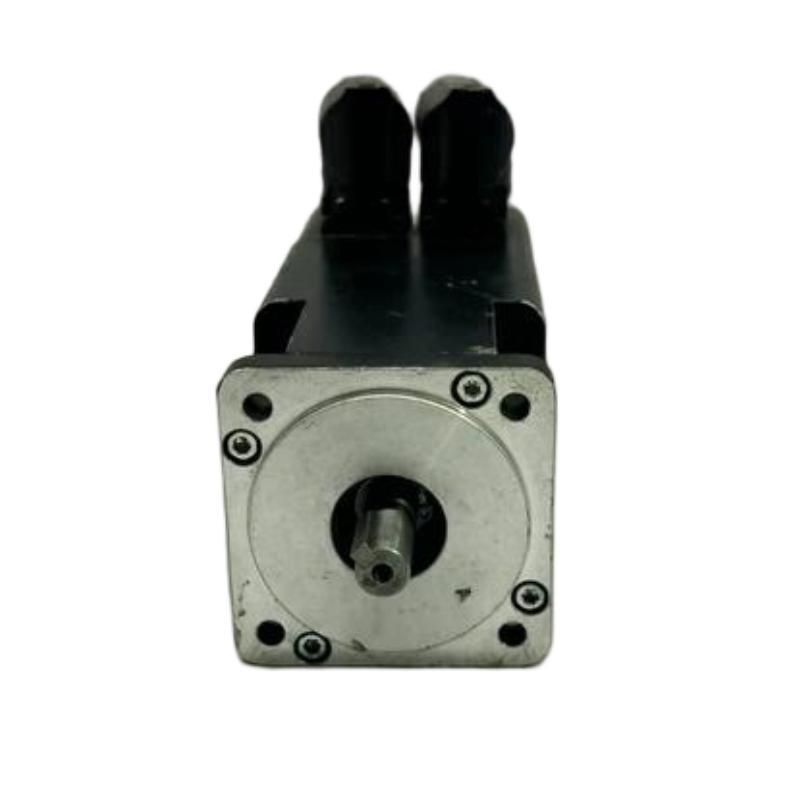
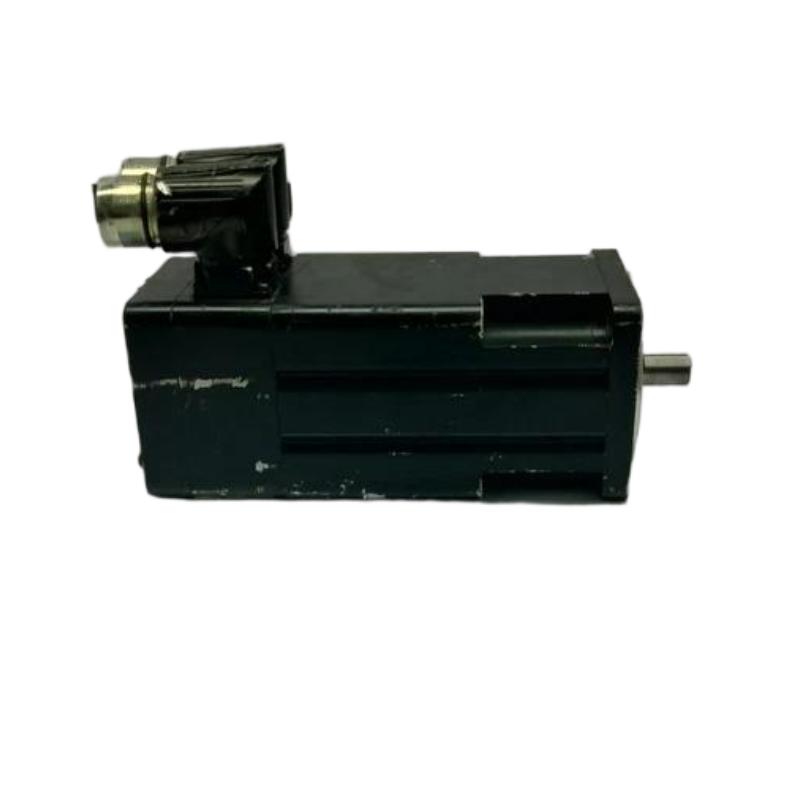
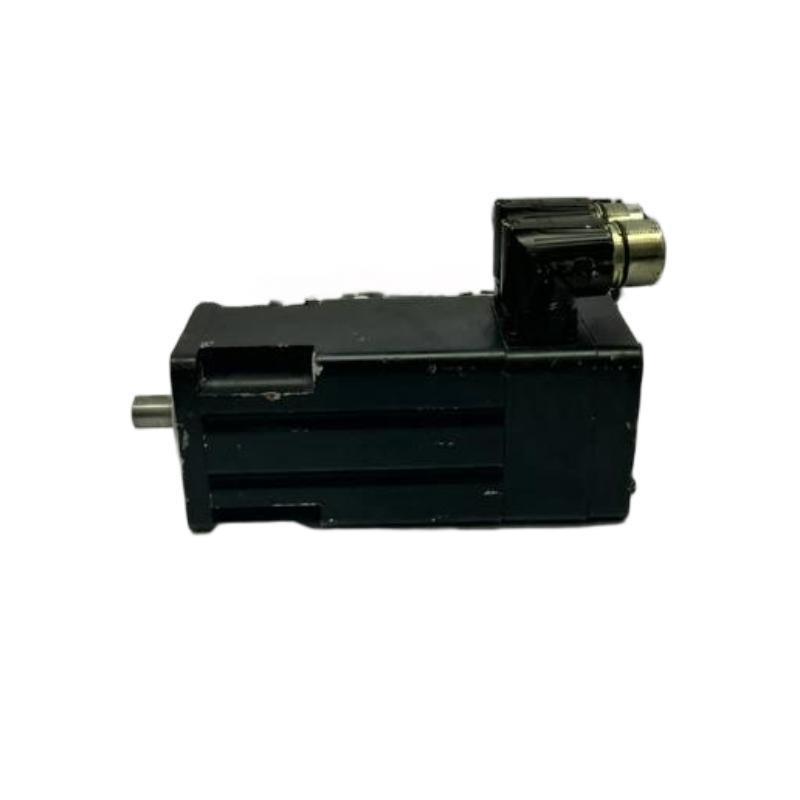
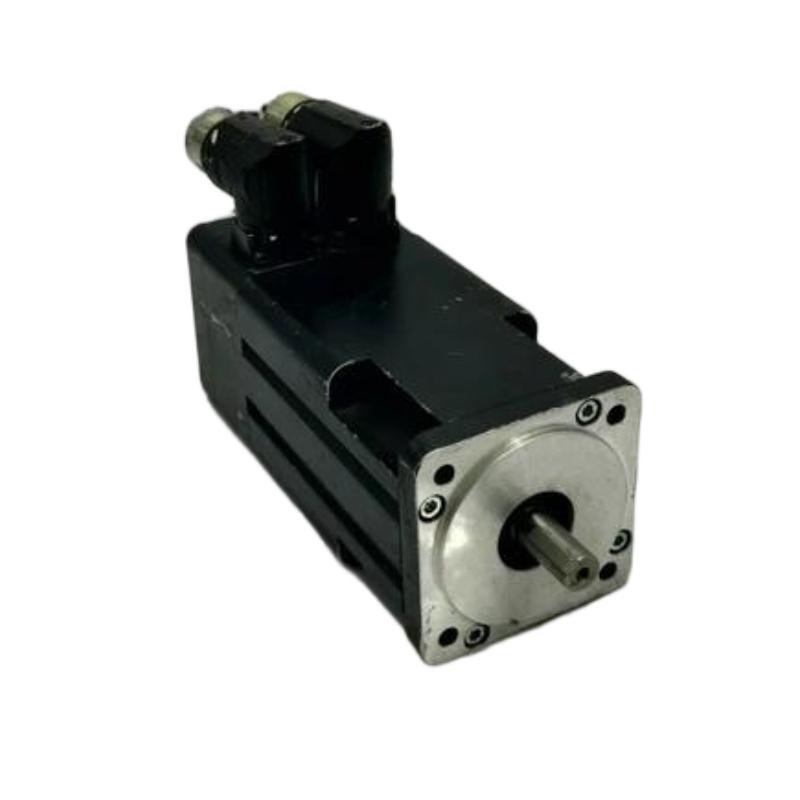
- Allen Bradley
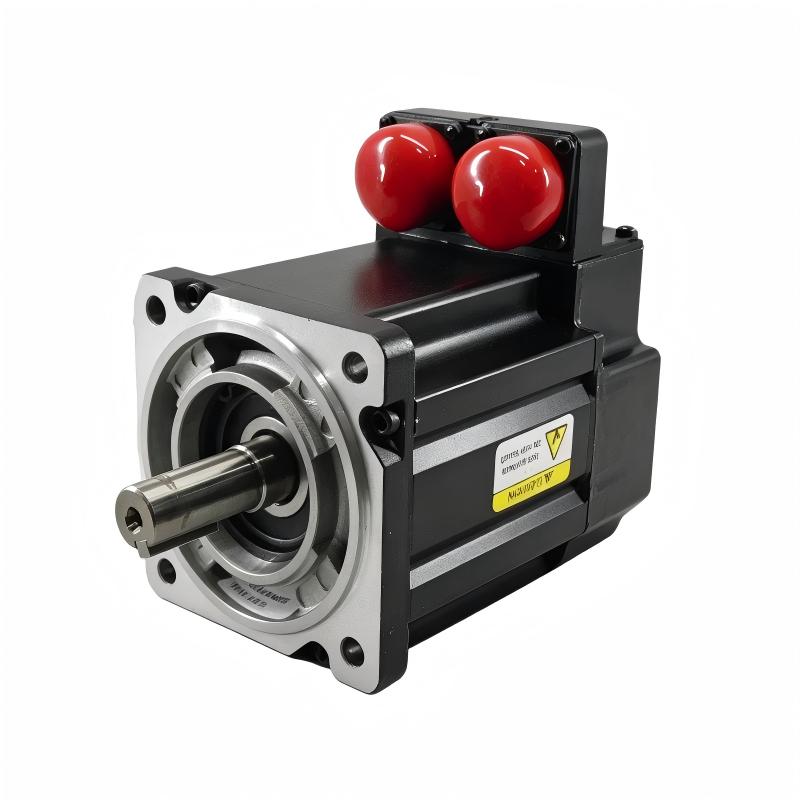
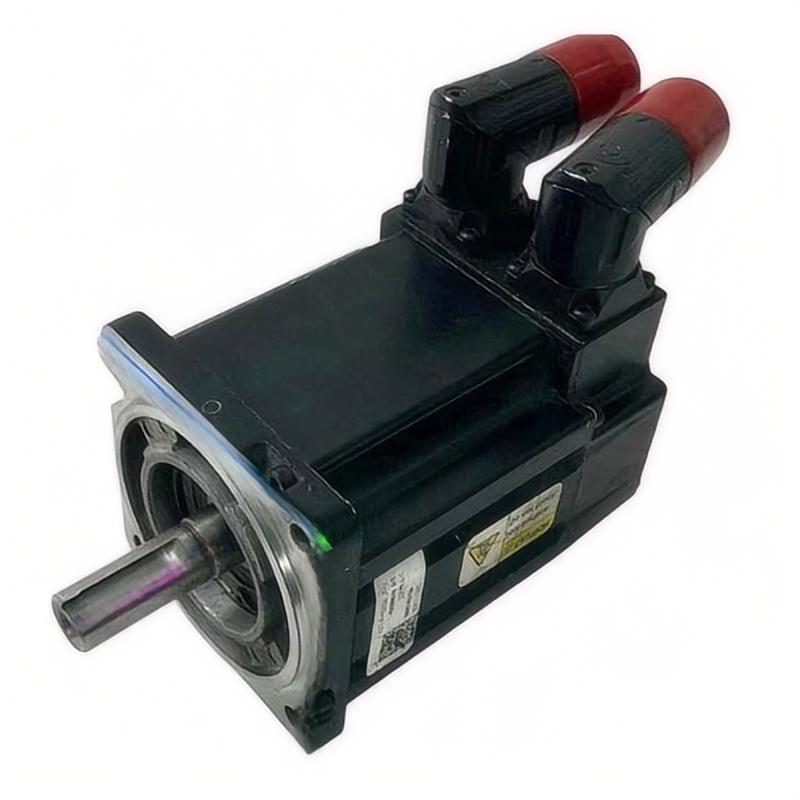
- MPL-B230P-HJ72AA
- Servo Motor
- USA
- 75 mm
- 2.6 kg
- Xiamen, China
- New & In Stock
- T/T, PayPal, Western Union
- 1 Year
- 1-3 Working Days
- DHL, UPS, TNT, FedEx and EMS.
- 24-Hour Service
- COO
- 4
Our advantage

Global Logistics
We have a 10-year logistics and express cooperation agreement, so our products can be shipped to any place in the world.

Brand new and original
Our products are imported in bulk from the place of origin. Because of the cooperative relationship, our products are all original and 100% new.

24-hour service
We provide 7*24 hours service to our customers. We will be there whenever you need us.

Price advantage
All our products are priced very favorably because we have our own warehouse and supply.
| Company Information | |||
| [email protected] | |||
| Mobile | +8615980777398 | ||
| +8615980777398 | |||
| 15980777398 |
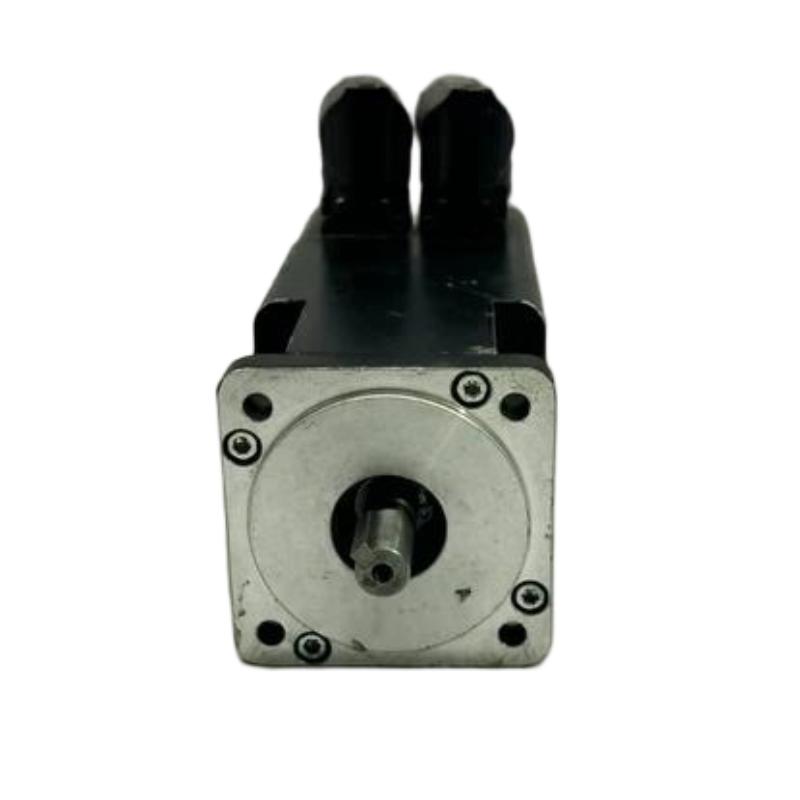
Product Overview
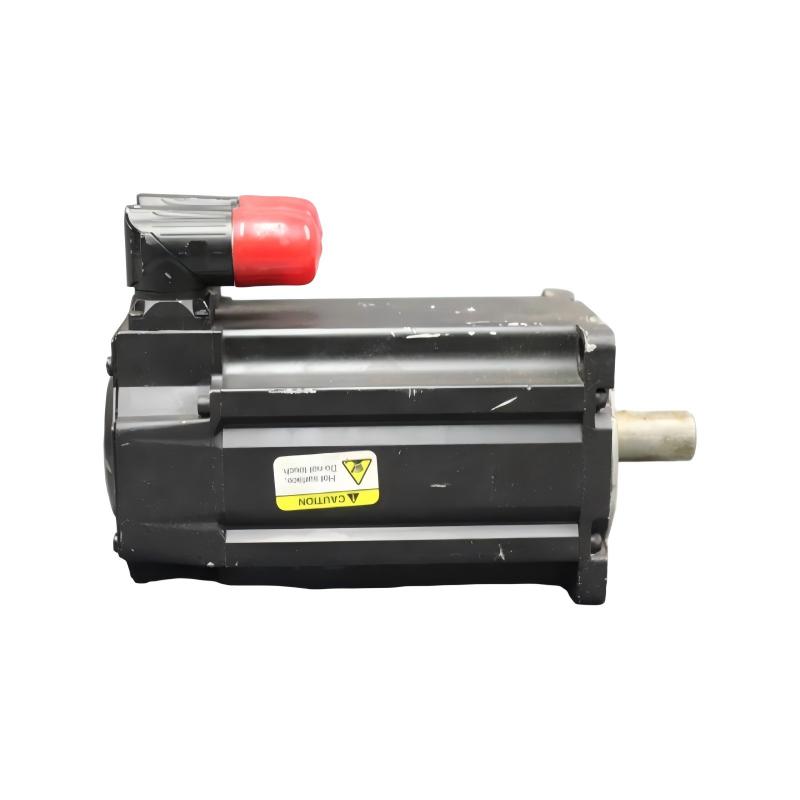
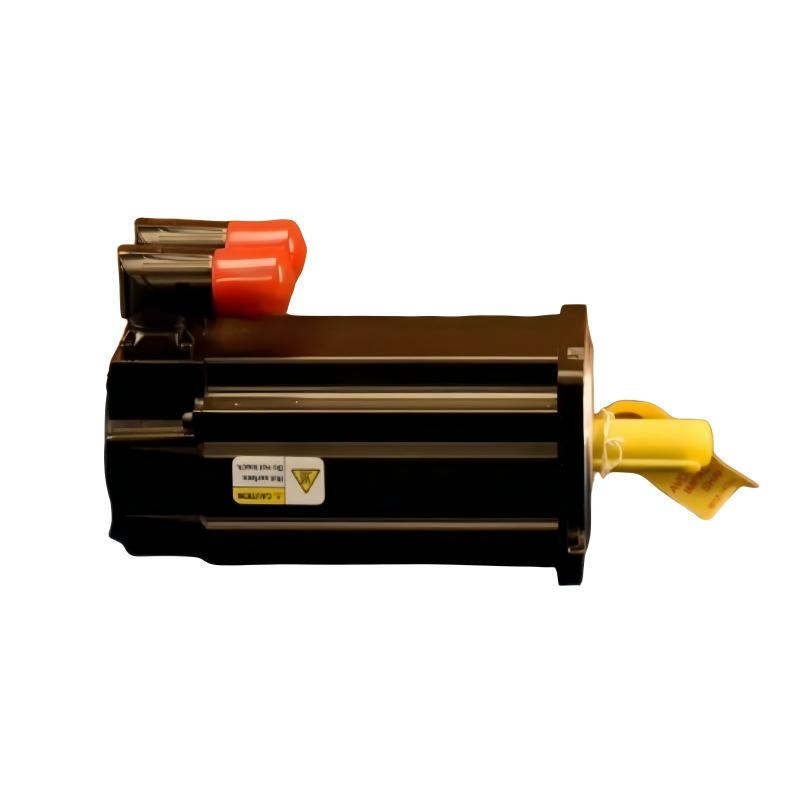
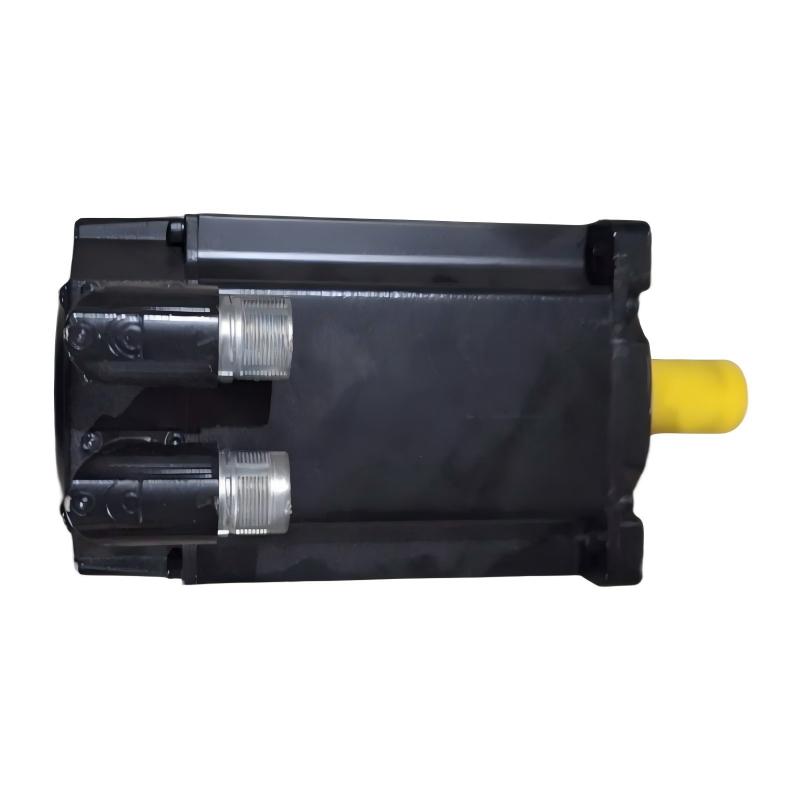
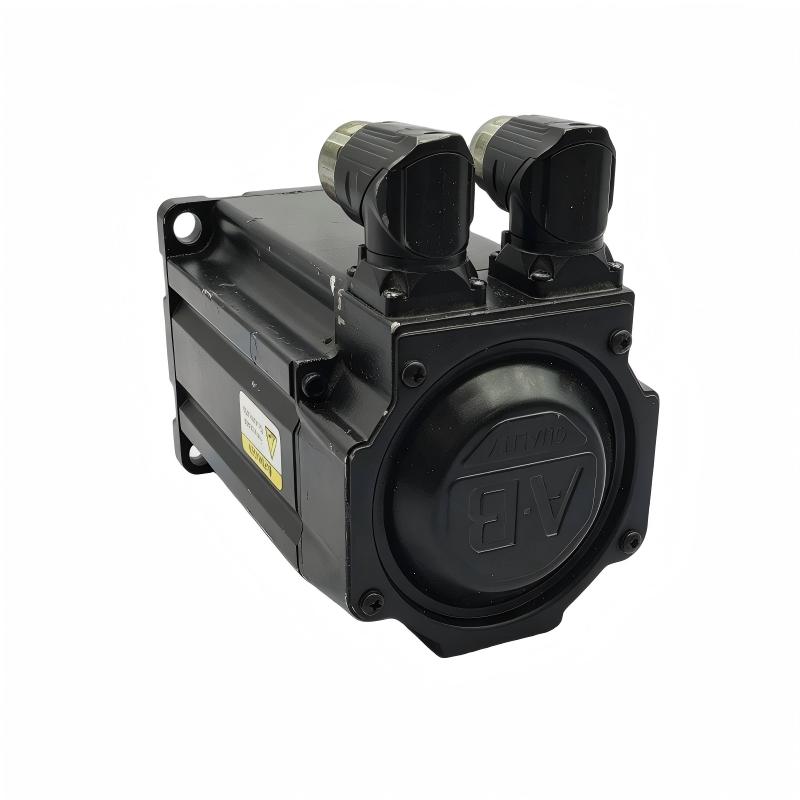
The Allen Bradley MPL-B230P-HJ72AA Servo Motor is an industrial motion-control component designed for applications requiring controlled rotational movement, accurate positioning, and coordinated operation with compatible servo drives. As part of the Allen-Bradley Kinetix motion-control ecosystem, MPL-series servo motors are used in automation systems where repeatable motion, dynamic response, and reliable mechanical performance are important.
Servo motors are commonly installed in automated production machinery, packaging equipment, material-handling systems, assembly stations, and other applications that require controlled acceleration, deceleration, speed, or position. When paired with a compatible servo drive and feedback system, a servo motor can operate as part of a closed-loop motion-control arrangement. The controller issues motion commands, the drive regulates motor current and torque, and the feedback system supports motion supervision and correction.
The MPL-B230P-HJ72AA is identified by the supplied product information as an Allen-Bradley servo motor with a 75 mm frame size and a weight of 2.6 kg. Its compact physical profile may be suitable for machinery in which installation space, moving mass, and mechanical integration are important design considerations.
Selecting a servo motor requires more than matching its frame size. Rated torque, rated speed, voltage, winding characteristics, feedback-device type, shaft configuration, connector arrangement, and drive compatibility must be verified against the complete motor catalog number and the application requirements. These details are especially important when replacing a motor in an existing machine.
Technical Specifications
| Parameter | Specification |
|---|---|
| Manufacturer | Allen-Bradley / Rockwell Automation |
| Model | MPL-B230P-HJ72AA |
| Product Type | AC Servo Motor |
| Product Series | MPL Servo Motor Family |
| Frame Size | 75 mm |
| Weight | 2.6 kg |
| Primary Function | Controlled rotational motion for industrial automation |
| Motion-Control Arrangement | Compatible servo drive and feedback system |
| Control Applications | Position, speed, and torque control, subject to drive configuration |
| Typical Installation | Industrial machinery and motion-control assemblies |
| Drive Compatibility | Must be confirmed using the complete motor catalog number |
| Rated Power | Verify from the exact product specification |
| Rated Torque | Verify from the exact product specification |
| Rated Speed | Verify from the exact product specification |
| Feedback Type | Verify from the exact product specification |
| Shaft and Mounting Details | Confirm from the motor drawing and nameplate |
The frame size and weight above are based on the supplied product information. Electrical ratings and detailed mechanical characteristics should be confirmed before engineering, procurement, or commissioning decisions are made.
What Is the Allen-Bradley MPL-B230P-HJ72AA Servo Motor?
A servo motor is an electromechanical device designed to produce controlled movement in response to commands from a motion-control system. Unlike a motor operated only by switching its power supply on or off, a servo motor normally works with a servo drive and a feedback arrangement to regulate movement according to the machine’s requirements.
In a typical installation, the controller calculates or generates a motion command. The servo drive converts this command into controlled electrical power for the motor. A suitable feedback device provides information about motor movement, allowing the control system to monitor actual behavior and correct deviations where supported by the system architecture.
The MPL-B230P-HJ72AA is intended to serve as the motor element within such a motion-control arrangement, subject to confirmation of its exact catalog specifications.
A simplified system can be represented as:
Motion Controller → Servo Drive → Servo Motor → Mechanical Load
The feedback path returns motor-position or other supported feedback information to the drive or control system:
Servo Motor Feedback → Servo Drive / Motion Controller
Together, the command and feedback paths allow the machine to coordinate movement with other axes, sensors, and production processes.
Function and Working Principle
1. Electrical Power Conversion
The servo drive supplies controlled electrical power to the motor according to the motion command and the drive’s control algorithm. The precise electrical requirements depend on the motor winding, drive model, and installed supply configuration.
Correct drive matching is essential. A motor should not be connected to a drive based solely on a similar frame size or general product-family name.
2. Torque Generation
When the drive supplies the appropriate phase currents, the motor generates electromagnetic torque. This torque accelerates, decelerates, or maintains movement of the connected mechanical load.
The available torque depends on the motor’s rated characteristics, drive capability, operating speed, cooling conditions, and duty cycle. For this reason, the actual torque and speed ratings must be obtained from the exact product specification.
3. Feedback-Based Motion Regulation
In a typical servo system, a compatible feedback device reports motion information to the drive or control system. The system compares actual behavior with the commanded movement and adjusts its output as needed.
Feedback characteristics, resolution, connector type, and supported control modes vary by motor configuration and must be checked before pairing the motor with a drive.
4. Acceleration and Deceleration Control
A servo system can execute programmed acceleration and deceleration profiles to reduce abrupt changes in movement. This helps coordinate machine axes and can limit unnecessary mechanical shock when the application is correctly designed.
The achievable performance depends on the motor, drive, mechanical load, tuning, and motion profile.
5. Coordinated Machine Movement
In multi-axis machinery, a servo motor can operate alongside other motion axes. The controller coordinates the required movements so that machine operations occur in the correct sequence and at the required speed or position.
The MPL-B230P-HJ72AA’s suitability for a specific axis depends on its verified performance ratings and the mechanical and electrical requirements of that axis.
Role in Industrial Motion-Control Systems
Within an automated machine, the servo motor converts electrical energy into mechanical movement. It forms one part of a larger system that includes the motion controller, servo drive, feedback arrangement, power distribution, mechanical transmission, and machine load.
Each element must be properly matched for stable performance.
| System Component | Primary Function |
|---|---|
| PLC or Motion Controller | Generates motion commands and coordinates machine sequences |
| Compatible Servo Drive | Regulates motor current, torque, speed, and supported motion functions |
| MPL-B230P-HJ72AA Servo Motor | Produces controlled mechanical rotation |
| Feedback Device | Supplies motion information required by the supported control arrangement |
| Motor Power Cable | Carries electrical power between the drive and motor |
| Feedback Cable | Transfers feedback signals where required |
| Coupling or Gearbox | Connects motor rotation to the driven mechanism |
| Mechanical Load | Performs the required machine movement |
| HMI or Operator Panel | Allows operators to monitor and command machine functions |
| Protective Devices | Provide electrical protection according to the system design |
The actual component selection depends on the motor configuration, drive family, machine architecture, and applicable safety requirements.
Industrial Applications
Packaging and Filling Machinery
Servo-driven motion is frequently used in packaging machinery that requires repeatable product positioning, coordinated movement, and controlled operating cycles. A suitable servo motor can help drive indexing mechanisms, feeding assemblies, or other motion axes.
Motor selection must account for the load inertia, cycle frequency, acceleration profile, and required production speed.
Automated Assembly Equipment
Assembly systems often require precise positioning of components and repeatable movement between workstations. Servo motors can operate actuators, positioning stages, transfer mechanisms, and other controlled axes.
The motor must be selected according to the required force or torque, travel time, positioning requirements, and mechanical transmission.
Material Handling Systems
Servo motors may be used in automated transfer equipment, indexing tables, pick-and-place machinery, and controlled positioning mechanisms. They can support repeatable motion when paired with an appropriately configured drive and controller.
Printing and Converting Machinery
Printing, labeling, and converting equipment may require coordinated movement between rollers, feed mechanisms, and positioning axes. Servo systems can help synchronize these movements, provided the motor and drive meet the required speed and dynamic-performance specifications.
Robotics and Pick-and-Place Equipment
Robotic mechanisms and pick-and-place systems use controlled motor movement to coordinate transfer, orientation, and positioning. A servo motor may be suitable for an individual axis when its ratings, mounting, feedback, and drive interface match the machine design.
General Industrial Automation
Servo motors are also used in indexing stations, automated inspection systems, assembly fixtures, and other machinery requiring controlled rotational motion. Actual suitability should be established through motion sizing and compatibility checks rather than product-family designation alone.
Installation and Mechanical Integration
Correct installation helps prevent premature wear, alignment problems, electrical faults, and motion instability.
Verify the Motor Identity
Before installation, confirm the complete catalog number MPL-B230P-HJ72AA on the motor label. Compare it with the machine’s electrical drawings, bill of materials, and existing configuration.
Do not assume that a motor with a similar MPL-series designation has the same winding, feedback device, shaft, or connector arrangement.
Check Mechanical Mounting
Verify that the mounting face, bolt pattern, shaft dimensions, and available clearance match the driven equipment. The supplied 75 mm frame size is useful for preliminary identification, but it does not replace the detailed mechanical drawing.
Inspect the mounting surface for damage, contamination, or misalignment before securing the motor.
Align the Mechanical Transmission
Where the motor drives a gearbox, coupling, belt, or other transmission, alignment must follow the mechanical equipment specifications. Incorrect alignment can increase bearing loads, vibration, coupling wear, and motor heating.
Avoid applying excessive radial or axial force to the motor shaft. Confirm permissible shaft loads from the applicable technical documentation.
Select Compatible Cables
Use power and feedback cables that match the motor connectors and the selected drive. Verify cable pin assignments, shielding, grounding, and routing requirements before energizing the equipment.
Keep feedback wiring separated from high-power conductors where required by the installation design. Correct cable selection and routing help reduce interference and prevent intermittent feedback faults.
Grounding and Electrical Protection
Follow the drive and motor installation instructions for protective grounding, cable shielding, overcurrent protection, and any required filtering or bonding arrangements.
All electrical work should be performed by qualified personnel under appropriate isolation and lockout procedures. Never connect the motor to an unverified drive or supply arrangement.
Servo Drive Selection and System Compatibility
The servo drive must be selected according to the motor’s verified electrical and feedback characteristics. Compatibility should be established using the complete catalog number, not only the motor frame size or the fact that both components belong to an Allen-Bradley product family.
Before pairing the MPL-B230P-HJ72AA with a drive, confirm:
- Motor voltage and winding characteristics
- Continuous and peak current requirements
- Rated and maximum operating speed
- Continuous and peak torque
- Feedback-device type and interface
- Power and feedback connector configuration
- Supported drive firmware and motor configuration
- Controller and network requirements
- Cable and accessory requirements
A compatible drive must support the motor’s electrical ratings and feedback arrangement. Incorrect pairing may cause configuration errors, drive faults, poor motion performance, or equipment damage.
The controller and drive configuration should be checked using the appropriate engineering software and product documentation for the installed system. Do not assume that a particular Kinetix drive or controller is compatible without verifying the exact combination.
Commissioning and Motion Tuning
After installation, commissioning should proceed in a controlled sequence.
Initial Inspection
Confirm the motor label, mounting arrangement, shaft coupling, cable connections, grounding, and mechanical clearance. Check that the driven mechanism can move as intended and that no obstruction or abnormal mechanical resistance is present.
Drive Configuration
Enter or select the correct motor identity in the drive configuration. Verify all required motor parameters and feedback settings. The configured motor must match the installed hardware.
Initial Power-Up
Follow the approved commissioning procedure for the drive and machine. Check for diagnostic messages and confirm that the control system recognizes the motor and feedback arrangement where applicable.
Controlled Motion Test
Test the motor at a conservative speed and with a suitable motion profile. Observe the direction of rotation, acceleration, deceleration, feedback behavior, and mechanical response.
Keep personnel clear of moving machinery and ensure that the machine’s protective measures are in place before motion testing.
Motion Tuning
Where supported by the drive and controller, tune the motion-control system according to the load characteristics and application requirements. Incorrect tuning may cause vibration, overshoot, oscillation, excessive noise, or unstable movement.
Final Verification
Confirm that the motor completes the required movements without unexpected alarms or mechanical interference. Record the motor identity, drive configuration, relevant parameters, and commissioning results for future maintenance.
Troubleshooting the MPL-B230P-HJ72AA Servo Motor
Motor-related faults may originate in the motor, drive, feedback cable, mechanical transmission, power supply, or control program. Troubleshooting should consider the complete motion-control system.
Motor Does Not Rotate
Possible causes include:
- Drive not enabled
- Missing or incorrect power connections
- Active drive fault
- Incorrect motor configuration
- Feedback or cable connection problem
- Missing motion command
- Mechanical obstruction
- Incorrect controller or drive configuration
Check the drive status and diagnostic messages first. Confirm that the drive is correctly configured and that the controller is issuing a valid command. Inspect power and feedback connections according to the applicable procedures before concluding that the motor itself has failed.
Unexpected Drive Faults
A drive fault can result from electrical conditions, motor mismatch, feedback errors, overload, or configuration problems.
Record the complete fault code and diagnostic description before resetting the drive. Repeatedly clearing a fault without identifying its cause may lead to additional downtime or equipment damage.
Positioning Errors or Inconsistent Movement
Positioning errors may be associated with incorrect feedback configuration, unsuitable motion tuning, mechanical backlash, coupling slippage, load changes, or incorrect command scaling.
Check the feedback signal, mechanical transmission, motion parameters, and load characteristics. Verify that the controller and drive use the intended units and scaling.
Excessive Vibration or Noise
Unusual vibration or noise may indicate mechanical misalignment, loose mounting hardware, coupling problems, excessive load inertia, inappropriate tuning, or bearing damage.
Inspect the mechanical installation and compare operating behavior with the machine’s normal baseline. Do not continue operating the equipment if vibration or noise suggests a serious mechanical fault.
Motor Overheating
Motor heating can result from excessive load, repeated high-torque operation, restricted cooling, unsuitable operating cycles, or an incorrectly matched drive configuration.
Review the application duty cycle, load torque, acceleration settings, and installation conditions. Compare the operating requirements with the motor’s verified ratings before making parameter changes.
Feedback or Commutation Problems
If the drive reports a feedback-related fault, inspect the feedback cable, connectors, shielding, and configured feedback type. Confirm that the motor and drive are an approved combination.
Never assume that a feedback fault proves the motor is defective. A damaged cable, incorrect configuration, or drive-interface problem can produce similar symptoms.
Maintenance Recommendations
A structured maintenance program can help preserve the performance of the servo motor and its associated motion-control equipment.
Inspect the mounting assembly: Check for loose fasteners, mechanical movement, coupling wear, and signs of misalignment.
Check cables and connectors: Look for damaged insulation, loose connectors, contamination, and cable strain. Replace damaged cables with suitable components.
Monitor vibration and noise: Compare operating behavior with established machine baselines to identify developing mechanical problems.
Review drive diagnostics: Record recurring faults, overload events, feedback errors, and other abnormal operating conditions.
Verify mechanical loading: Confirm that the machine has not developed excessive friction, increased inertia, or unexpected load resistance.
Maintain a clean installation environment: Protect the motor and associated connectors from contaminants and environmental conditions outside their specified limits.
Keep configuration records: Maintain the motor catalog number, compatible drive identification, parameter backups, and commissioning information.
Maintenance and inspection intervals should reflect the equipment manufacturer’s instructions, the application’s duty cycle, and the consequences of unexpected downtime.
Compatible and Related System Components
The MPL-B230P-HJ72AA can be considered for integration into a motion-control system containing several types of supporting equipment. The following table describes functional component categories rather than confirming compatibility with particular catalog numbers.
| Component Category | Role |
|---|---|
| Compatible Allen-Bradley Servo Drive | Supplies controlled electrical power to the motor |
| PLC or Motion Controller | Generates motion commands and coordinates axes |
| Motor Power Cable | Provides the electrical connection between drive and motor |
| Feedback Cable | Transfers supported feedback signals |
| Mechanical Coupling | Connects the motor shaft to the load |
| Gearbox or Transmission | Adjusts speed and torque for the driven mechanism |
| HMI Panel | Provides operator commands and diagnostic displays |
| Industrial Network Components | Support communication between compatible automation devices |
| Circuit Protection | Provides electrical protection as required by the design |
| Machine Sensors | Supply position, presence, and process feedback |
Every component must be checked for the correct electrical, mechanical, and control-system interface. Exact drive, cable, and accessory part numbers should be selected from the verified motor specification and system documentation.
Replacement and Procurement Considerations
When purchasing a replacement for the Allen-Bradley MPL-B230P-HJ72AA, exact identification is essential. Servo motors that look similar may differ in winding characteristics, feedback devices, shaft configurations, connectors, and performance ratings.
Before placing an order, verify:
- Full catalog number: MPL-B230P-HJ72AA
- Manufacturer and product-family identification
- Frame size: 75 mm
- Weight: 2.6 kg
- Rated voltage, torque, and speed
- Feedback-device specification
- Shaft and mounting dimensions
- Connector and cable requirements
- Compatible drive and controller
- Hardware condition and applicable inspection records
For a replacement installation, compare the existing motor label with the proposed replacement and review the machine’s original electrical and mechanical drawings. A replacement should not be approved solely because it has the same nominal frame size.
The supplied dimensions and weight are useful for logistics and preliminary planning, but the detailed mechanical drawing remains necessary for confirming fit and shaft compatibility.
Key Advantages
Controlled Motion
When integrated with a suitable drive and controller, the servo motor supports regulated rotational movement for automated equipment.
Compact Frame
The supplied 75 mm frame size can be relevant when designing or maintaining machinery with limited installation space.
Integration into Servo Systems
The motor can serve as the electromechanical component of a compatible closed-loop motion-control arrangement.
Support for Automated Sequencing
Servo-driven movement can be coordinated with sensors, machine logic, and other axes to execute repeatable operating sequences.
Maintainable System Configuration
Accurate motor identification, documented drive parameters, and organized cable routing can make troubleshooting and replacement more efficient.
Actual performance, precision, speed, and torque depend on the verified motor specifications, selected drive, feedback arrangement, mechanical load, and system tuning.
Technical FAQs
What is the Allen-Bradley MPL-B230P-HJ72AA?
It is identified as an Allen-Bradley servo motor intended for industrial motion-control applications requiring controlled mechanical movement.
What is the frame size of the MPL-B230P-HJ72AA?
The supplied frame size is 75 mm.
How much does the MPL-B230P-HJ72AA weigh?
The supplied weight is 2.6 kg.
Does this servo motor require a servo drive?
A compatible servo drive is normally required to provide controlled electrical power and implement the intended motion-control functions. The exact drive must be selected according to the motor’s verified ratings and feedback interface.
What applications can use this motor?
Potential applications include packaging machinery, automated assembly equipment, material handling, indexing mechanisms, and other industrial motion-control systems, provided the motor meets the required electrical and mechanical specifications.
How can the correct drive be identified?
Confirm the complete motor catalog number, voltage and winding characteristics, current and torque requirements, feedback-device type, connector arrangement, and supported drive configuration. Do not select a drive based only on the frame size.
What causes a servo motor to stop unexpectedly?
Possible causes include drive faults, loss of enable, incorrect configuration, feedback problems, power interruptions, excessive loading, and mechanical obstruction. The drive’s diagnostic information should be reviewed before replacing the motor.
Can another MPL-series motor replace the MPL-B230P-HJ72AA?
Not automatically. The replacement must be checked for electrical ratings, feedback compatibility, shaft and mounting dimensions, connectors, and drive support.
What information should be recorded during maintenance?
Record the complete motor catalog number, associated drive, diagnostic codes, configuration parameters, cable condition, mechanical observations, and results of commissioning tests.
Conclusion
The Allen-Bradley MPL-B230P-HJ72AA Servo Motor is a motion-control component intended for use in compatible industrial automation systems. When paired with a correctly selected servo drive, feedback arrangement, controller, and mechanical transmission, a servo motor can support controlled rotational movement and coordinated machine operation.
With a supplied 75 mm frame size and a weight of 2.6 kg, the MPL-B230P-HJ72AA offers a compact physical profile for suitable machinery. Successful integration depends on confirming the motor’s actual electrical ratings, feedback configuration, shaft dimensions, connector arrangement, and compatibility with the selected drive.
For new installations and replacement projects, verify the full catalog number before procurement, wiring, or commissioning. Correct motor selection, careful mechanical alignment, appropriate drive configuration, and systematic maintenance help support reliable motion control and long-term equipment performance.