

ProductPRODUCT
Featured products
Contact Us
- GE
- IS215VCMIH2CC
- VME Communications Interface
- USA
- 330 × 100 × 150 mm
- 0.5 kg
- Xiamen, China
- New & In Stock
- T/T, PayPal, Western Union
- 1 Year
- 1-3 Working Days
- DHL, UPS, TNT, FedEx and EMS.
- 24-Hour Service
- COO
- 6
Our advantage

Global Logistics
We have a 10-year logistics and express cooperation agreement, so our products can be shipped to any place in the world.

Brand new and original
Our products are imported in bulk from the place of origin. Because of the cooperative relationship, our products are all original and 100% new.

24-hour service
We provide 7*24 hours service to our customers. We will be there whenever you need us.

Price advantage
All our products are priced very favorably because we have our own warehouse and supply.
| Company Information | |||
| [email protected] | |||
| Mobile | +8615980777398 | ||
| +8615980777398 | |||
| 15980777398 |
Product Overview
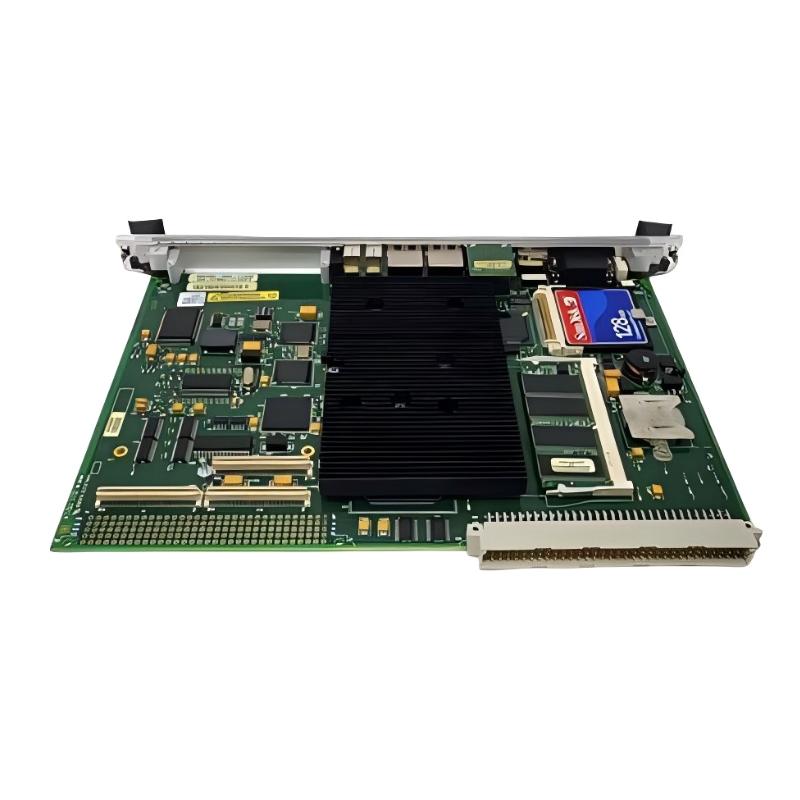
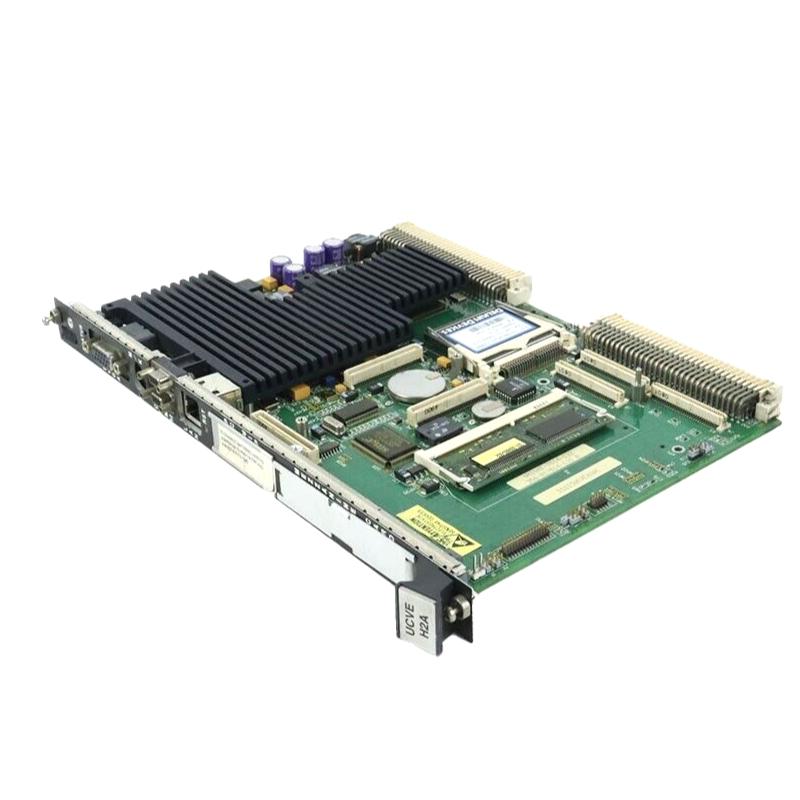
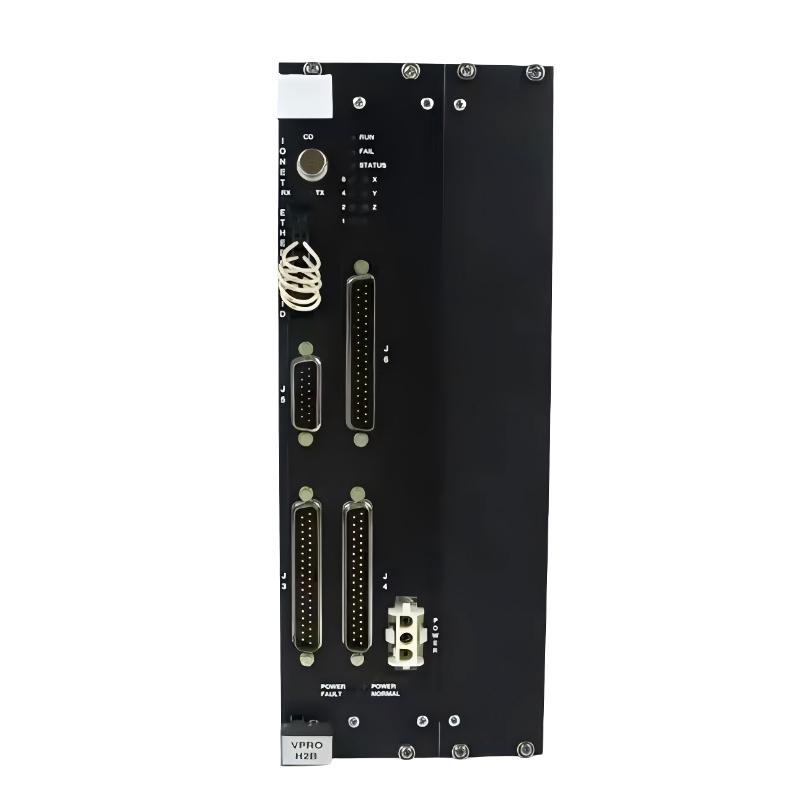
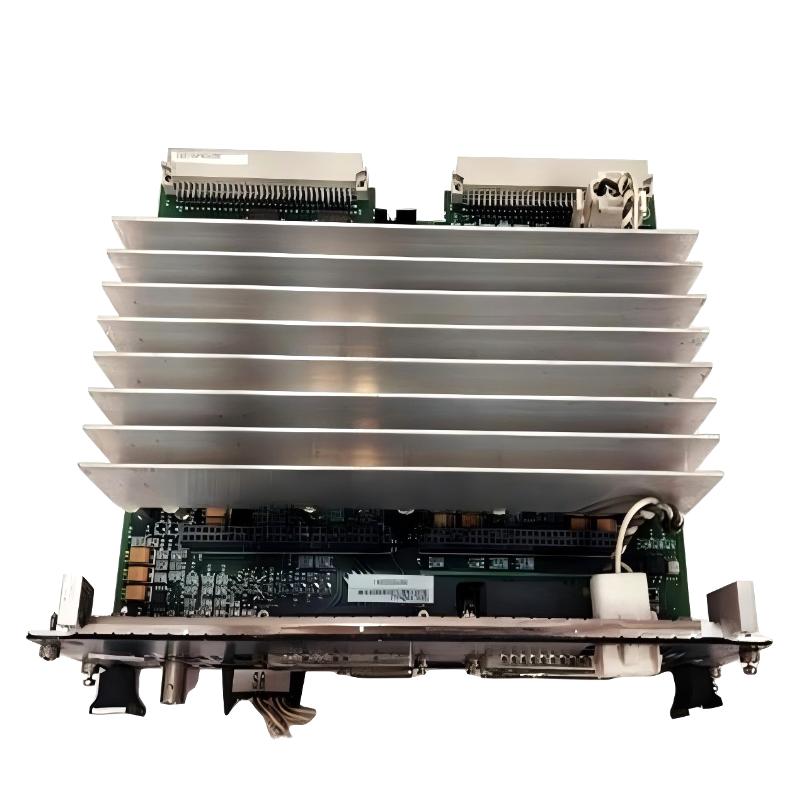
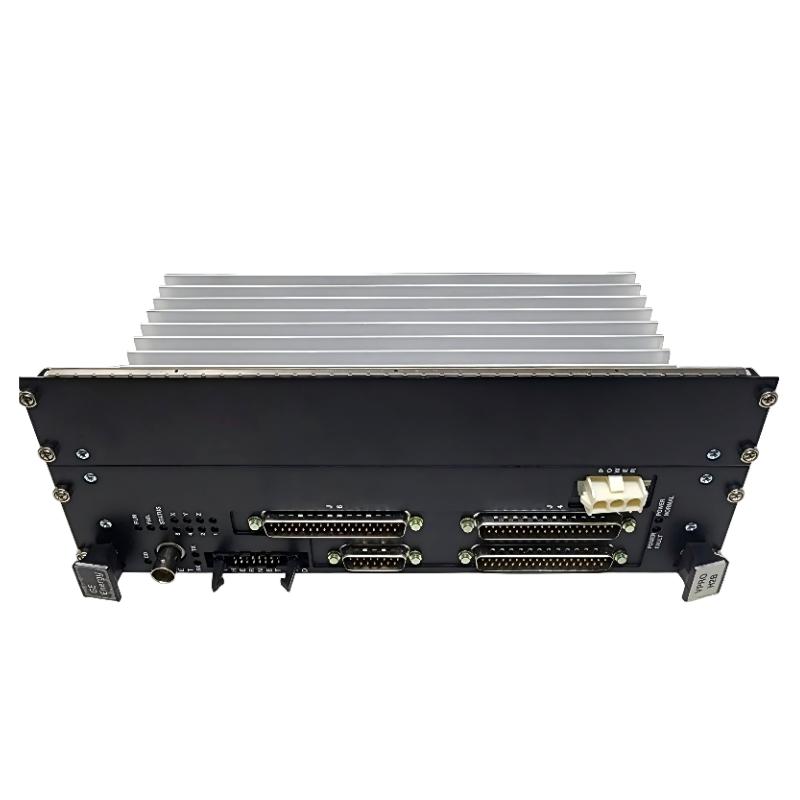
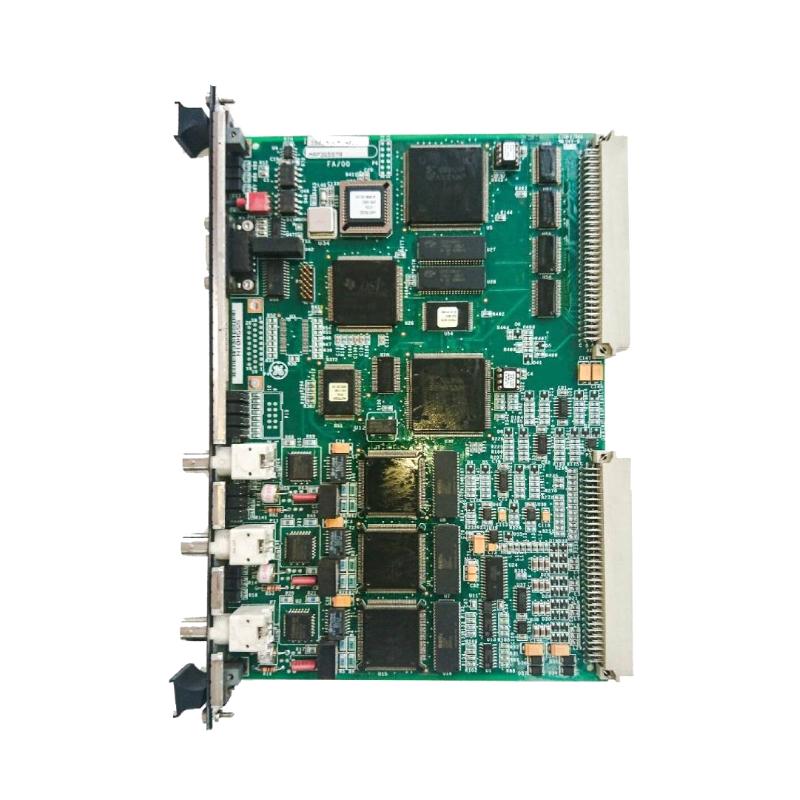
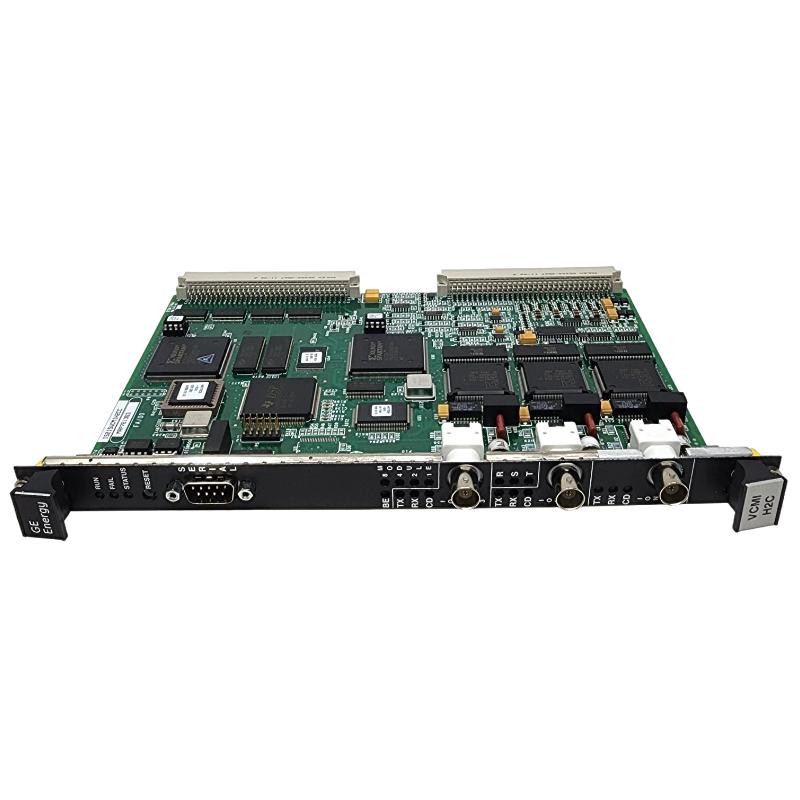
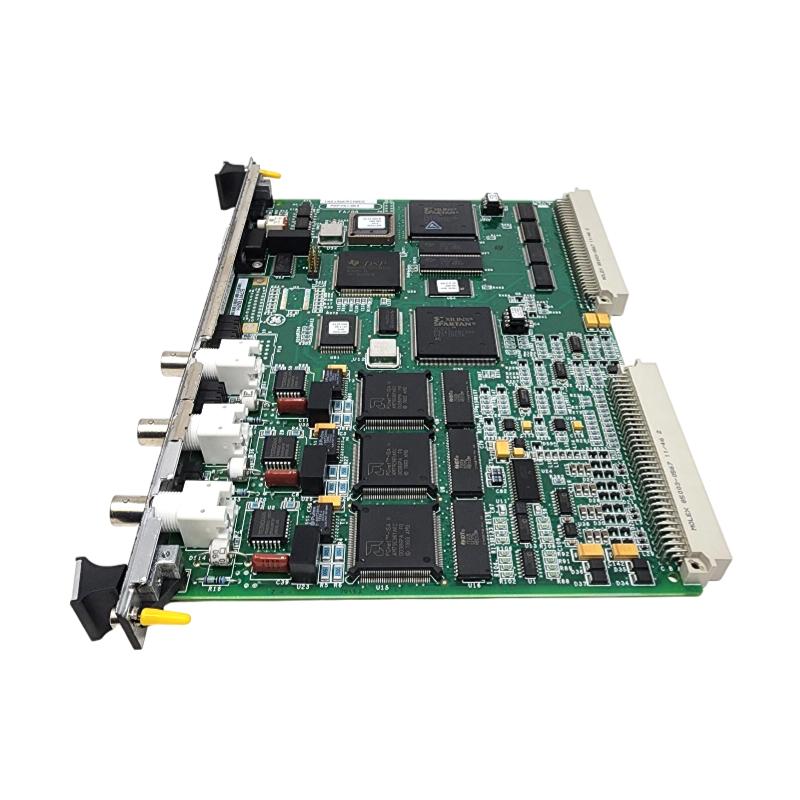
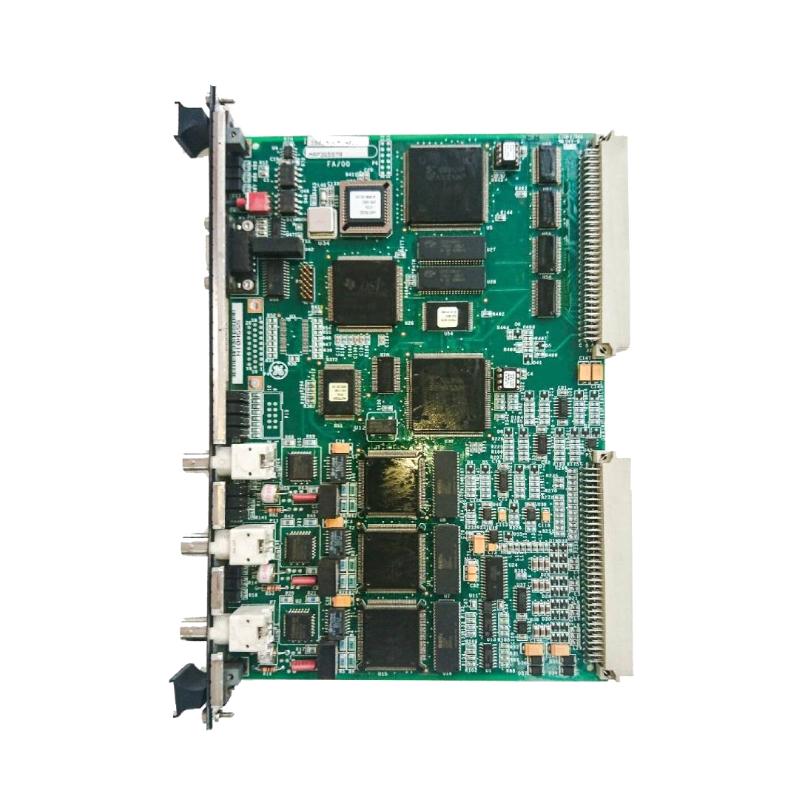
The GE IS215VCMIH2CC Mark VI VME Communications Interface is a communications board used within the GE Mark VI turbine control platform. In a turbine control cabinet, interface hardware connects the control system’s processing and I/O elements so that operating data, module status, and control-related information can move through the configured system architecture.
The board is associated with the VME-based hardware used in Mark VI installations. Its purpose is distinct from that of an analog input board or discrete output board: it serves the control system’s communication infrastructure rather than directly measuring a pressure transmitter signal or switching a field actuator.
In a power generation plant, a Mark VI system may coordinate turbine speed, temperature monitoring, vibration-related signals, permissive conditions, and auxiliary equipment. The VCMI interface operates within the control hardware supporting those functions. The exact communication duties depend on the installed Mark VI configuration, the connected boards, and the system revision.
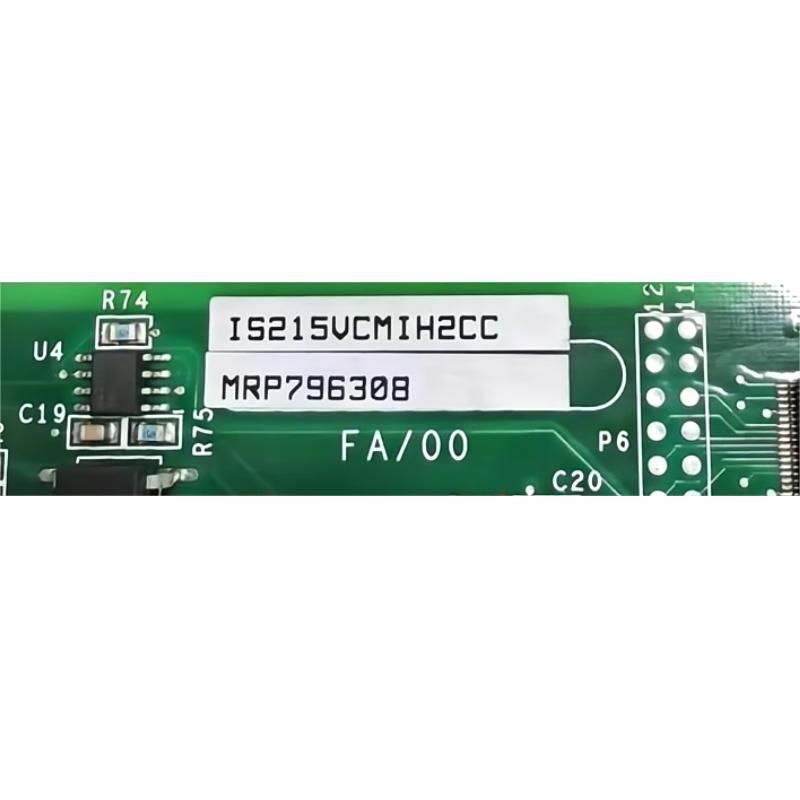
For maintenance teams, the complete board reference is essential when identifying a replacement. Boards from the same control platform may have similar dimensions but differ in interface function, revision, firmware requirements, or compatibility with a particular rack arrangement. The IS215VCMIH2CC should therefore be matched against the installed hardware configuration rather than selected by appearance alone.
Technical Specifications
| Parameter | Specification |
|---|---|
| Manufacturer | General Electric (GE) |
| Model | IS215VCMIH2CC |
| Product Family | Mark VI |
| Product Type | VME Communications Interface |
| Hardware Architecture | VME-based control system |
| Primary Function | Communications interface within the turbine control system |
| Application | GE Mark VI turbine control installations |
| Dimensions | 330 × 100 × 150 mm |
| Weight | 0.5 kg |
Product Features
- VME control-system interface: Belongs to the VME-based hardware architecture used in compatible GE Mark VI installations.
- System communications: Participates in the communication structure linking control-system components.
- Turbine automation application: Used in control systems that coordinate turbine operation, monitoring, and associated equipment.
- Model-specific identification: The full IS215VCMIH2CC reference is important for replacement selection and maintenance records.
- Integration with modular hardware: Works as part of a larger assembly that may include processors, I/O modules, rack connections, and communication links.
- Fault-isolation value: Its interface function helps maintenance teams distinguish communication-related problems from field signal faults or control logic issues.
Working Principle
The IS215VCMIH2CC operates within the Mark VI system’s communication path. Control processors execute the application logic, I/O hardware handles signals from sensors and commands to field devices, and interface hardware enables the relevant system components to exchange information according to the installed architecture.
For example, when a turbine control application uses measured values to determine whether an operating limit has been reached, the measurement is acquired through the appropriate I/O hardware and processed by the controller. Communication between system components allows the relevant data and status information to reach the parts of the control system that require it. The VCMI board belongs to this system-level communication arrangement; it is not itself the field transmitter or the final control element.
If communication becomes intermittent, the cause may be a poorly seated board, a damaged rack connection, an external communication link, an associated module, or a configuration mismatch. A disciplined diagnosis checks these dependencies before declaring the interface board defective. The exact diagnostic indicators and communication paths should be interpreted according to the installed Mark VI hardware and documentation.
Role in a GE Mark VI Turbine Control System Architecture
The IS215VCMIH2CC occupies a communications-interface position within the Mark VI control hardware. The wider system combines control processors, I/O modules, rack and backplane connections, and external communication paths to manage turbine operation.
| System Element | Function |
|---|---|
| IS215VCMIH2CC VME Communications Interface | Provides communications-interface functionality within the Mark VI hardware architecture. |
| Mark VI Control Processor | Executes turbine control logic and coordinates control functions. |
| VME Rack and Backplane | Provides the physical mounting and electrical interconnections for compatible boards. |
| Mark VI I/O Hardware | Acquires field measurements and delivers control outputs through the configured I/O system. |
| External Communication Links | Carry data between the control system and other connected systems, where configured. |
| Turbine Field Devices | Supply process measurements or receive commands through the appropriate I/O interfaces. |
The actual arrangement depends on the Mark VI system configuration. During replacement, engineers should verify the board’s designated rack position, associated hardware, revision information, and the communication functions required by the installation. A board with a similar VCMI designation should not be assumed to have identical compatibility without checking its complete part number.
Industrial Applications
| Application | Use in the Control System |
|---|---|
| Gas Turbine Control | Supports the communications infrastructure of compatible Mark VI turbine control installations. |
| Steam Turbine Control | Forms part of the control hardware in applicable turbine automation configurations. |
| Power Generation | Operates within systems coordinating turbine operation and related plant equipment. |
| Turbine Monitoring | Supports the system communication paths used to exchange control and status information. |
| Plant Control Integration | Can form part of a Mark VI installation connected to wider plant monitoring or control systems, depending on configuration. |
| Maintenance and Refurbishment | Used when servicing or replacing the corresponding interface board in an existing compatible system. |
The board’s practical role depends on the control-system design. It should not be treated as a universal network adapter for unrelated PLCs or industrial networks.
Installation and Maintenance
- Confirm the board identity. Check the complete IS215VCMIH2CC reference and all available revision markings against the installed Mark VI hardware configuration.
- Review the system arrangement. Identify the board’s rack position, adjacent modules, associated communication connections, and the control system it serves.
- Apply the approved isolation procedure. Follow the plant’s electrical safety, shutdown, and lockout requirements before removing or installing control hardware.
- Inspect the rack and connectors. Look for damaged contacts, contamination, mechanical wear, loose connections, or signs of overheating.
- Remove and install the board carefully. Use the specified handling and insertion procedure for the installed Mark VI rack. Avoid forcing the board into its connector.
- Check associated communication paths. Inspect relevant cables, connectors, adjacent interface hardware, and any external links used by the installed configuration.
- Restore the system in a controlled sequence. Follow the approved maintenance procedure for re-energizing and returning the turbine control system to service.
- Verify board and system status. Review available board indicators, processor status, communication diagnostics, and system alarms.
- Confirm communication with connected components. Check that the expected system data and status information are available and that communication-related alarms have cleared.
- Investigate recurring faults systematically. If the fault remains, check the rack connection, related modules, external communication links, configuration, and revision compatibility before replacing additional hardware.
- Record the maintenance outcome. Document the installed board reference, rack position, observed fault, diagnostic results, and any replacement or configuration changes.
Because this board is part of turbine control hardware, replacement and return-to-service work should follow the site’s approved turbine control maintenance procedure rather than an improvised hot-swap process.
Related Components
| Component | Function |
|---|---|
| GE Mark VI Control Processor | Executes control strategies and processes system data. |
| Mark VI VME Rack and Backplane | Houses compatible boards and provides their electrical interconnections. |
| Mark VI I/O Modules | Interface process sensors and actuators with the control system. |
| Communication Cables and Connectors | Carry data across the communication paths used by the configured installation. |
| Control-System Power Supply | Supplies operating power to the relevant control hardware. |
| Turbine Sensors and Actuators | Provide process feedback and receive commands through the appropriate I/O modules. |
Recommended Related Models
| Model or Component | Selection Consideration |
|---|---|
| GE IS215VCMIH2C | Compare the complete suffix, revision, and system compatibility before considering it as a replacement. |
| GE Mark VI VME Interface Boards | Select according to the required interface function and the installed rack architecture rather than board appearance alone. |
| GE Mark VI Control Processor Boards | Relevant when diagnosing communication problems involving processor status or control-system data exchange. |
| GE Mark VI I/O Modules | Relevant when determining whether a fault originates in field signal acquisition or output handling rather than the communication interface. |
| Mark VI Rack and Backplane Hardware | Check connector condition and rack compatibility when a board cannot establish normal communication after installation. |
These related items serve different functions in the control system and are not necessarily direct substitutes for the IS215VCMIH2CC.
Key Advantages
- Integrates into the VME-based GE Mark VI control hardware architecture.
- Serves the communication layer rather than direct field signal acquisition.
- Provides a specific board reference for maintenance and replacement planning.
- Supports systematic diagnosis of communication faults across the rack and connected hardware.
- Can be evaluated within existing Mark VI turbine control installations during service or refurbishment.
Technical FAQs
1. What is the IS215VCMIH2CC used for in a GE Mark VI system?
It is identified as a VME Communications Interface board associated with the Mark VI turbine control platform. Its role is within the control system’s communication architecture, allowing relevant system components to exchange information according to the installed configuration.
2. What should be verified before replacing the IS215VCMIH2CC?
Confirm the complete part number, hardware revision, designated rack position, associated modules, and communication configuration. Similar board names do not establish that two revisions or variants are interchangeable.
3. How can engineers distinguish a VCMI communication fault from an I/O fault?
Check the scope of the failure. A communication issue may affect data exchange or status reporting across connected system components, whereas an I/O issue may be limited to particular field measurements or outputs. Review board indicators, system alarms, processor status, rack connections, and relevant communication diagnostics to narrow the cause.
4. Can the board be removed while the turbine control system is operating?
Do not assume that live removal is permitted. Follow the hardware-specific procedure and the plant’s approved maintenance and operating requirements. If the installation does not explicitly support the intended removal method, use the prescribed shutdown or isolation process.