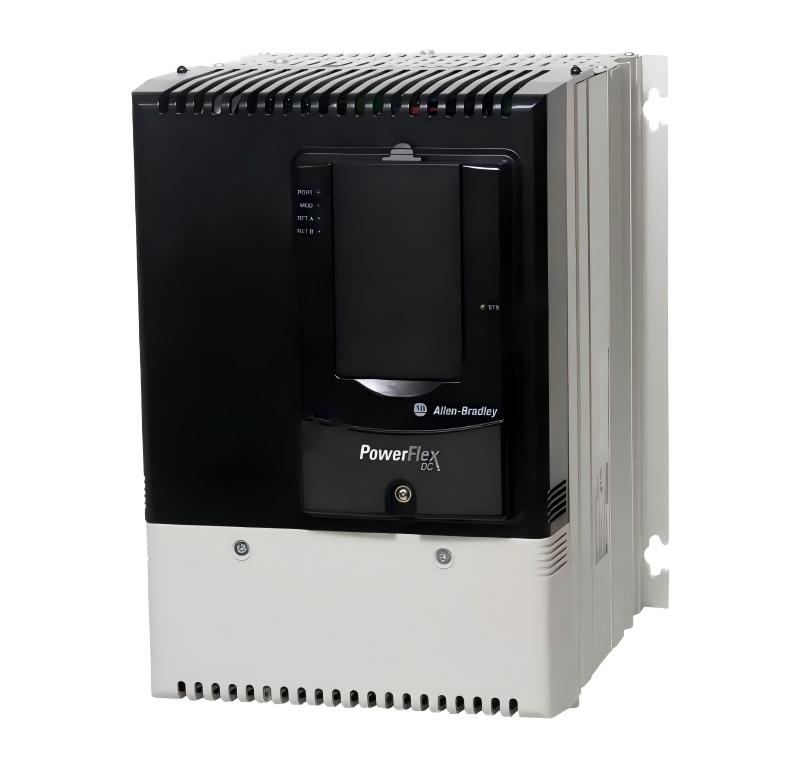
Rockwell Automation is expanding its focus on artificial intelligence and industrial cybersecurity as manufacturers increasingly connect PLCs, industrial networks, control systems, edge devices, and enterprise applications. The company is exploring AI-assisted cybersecurity technologies designed to help industrial organizations identify vulnerabilities more efficiently and strengthen protection for critical automation infrastructure.
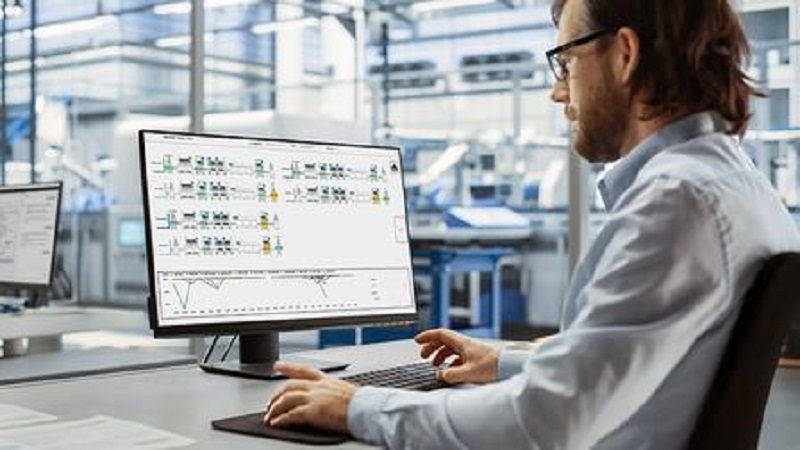
AI Is Changing Industrial Cybersecurity
Manufacturing environments are becoming increasingly connected. Modern production facilities may include programmable logic controllers, PACs, HMIs, SCADA systems, industrial Ethernet networks, engineering workstations, remote-access platforms, sensors, and cloud-based applications.
This connectivity improves production visibility and enables advanced technologies such as predictive maintenance and industrial analytics. At the same time, it creates a larger cybersecurity environment that must be continuously monitored.
Artificial intelligence can help security teams analyze large quantities of technical and network information much faster than traditional manual processes. For industrial organizations, this capability could become particularly valuable as the number of connected OT assets continues to grow.
Protecting PLC and Control-System Infrastructure
PLCs and industrial controllers are at the center of many automated production lines. They communicate with sensors, drives, remote I/O, HMIs, robots, and other automation equipment to control physical processes.
A cybersecurity issue affecting one component can potentially influence other connected systems. For this reason, industrial cybersecurity requires visibility across the complete control architecture rather than focusing only on individual computers or network devices.
Rockwell Automation’s industrial ecosystem includes Allen-Bradley controllers, FactoryTalk software, industrial networking technologies, safety systems, motion-control equipment, and other automation components.
Protecting these technologies requires cybersecurity measures that understand the unique requirements of operational technology.
AI-Assisted Vulnerability Detection
One area receiving increasing attention is AI-assisted vulnerability discovery.
Traditional vulnerability management can require security engineers to review large quantities of software information, security alerts, system configurations, and technical documentation. AI technologies can assist by analyzing this information and helping identify potentially important security issues.
For industrial automation environments, AI-assisted analysis could help security teams:
- Identify potential vulnerabilities
- Analyze security information
- Prioritize risks
- Investigate unusual behavior
- Support remediation planning
- Improve security testing
- Reduce manual analysis time
However, industrial applications require additional safeguards because security actions can affect real production systems.
The Importance of OT Visibility
One of the most important requirements for industrial cybersecurity is knowing exactly what equipment is connected to the OT environment.
A typical factory may contain controllers from different generations, industrial switches, remote I/O modules, HMIs, variable-frequency drives, safety controllers, robots, and specialized equipment.
Some devices may have been installed many years ago and may not support modern cybersecurity functions.
An accurate asset inventory allows security teams to understand the technology environment and identify systems that require additional protection.
IT and OT Networks Are Becoming More Connected
The traditional separation between IT and OT is becoming less distinct.
Manufacturers increasingly connect production systems with enterprise software, cloud platforms, manufacturing execution systems, remote maintenance applications, and data analytics tools.
This integration creates opportunities for better production management but also means that cybersecurity strategies must cover communication paths between business systems and industrial control environments.
Industrial organizations therefore need to consider cybersecurity across the entire architecture:
Enterprise IT → Industrial Network → SCADA/HMI → PLC/PAC → Remote I/O → Field Equipment
Each layer has different operational requirements and potential security considerations.
AI Must Be Carefully Integrated into OT
Although AI can improve cybersecurity analysis, industrial environments require a more controlled approach than conventional IT systems.
A cybersecurity tool cannot simply take automated action without considering production requirements. An inappropriate network change, system restart, or configuration modification could interrupt an industrial process.
For this reason, AI-based cybersecurity solutions should operate within clearly defined boundaries and maintain appropriate human oversight.
The goal is to use AI to improve security teams’ ability to understand and respond to threats while maintaining the reliability and safety of industrial operations.
Cybersecurity and Automation Modernization
Industrial companies are also facing the challenge of modernizing legacy automation systems.
Replacing an old PLC, upgrading a SCADA platform, or connecting previously isolated equipment can improve production capabilities, but modernization may also introduce additional network connections.
Cybersecurity should therefore be considered during the design and commissioning stages of automation projects.
Engineers need to evaluate controller communication, network segmentation, remote access, user permissions, software updates, backup procedures, and system recovery capabilities.
Future of AI-Enabled Industrial Security
The combination of artificial intelligence and industrial cybersecurity is likely to become an increasingly important part of smart manufacturing.
AI can help transform large volumes of industrial security data into actionable information, allowing cybersecurity teams to focus their attention on the most relevant risks.
At the same time, industrial organizations will need to balance automation with operational safety, system availability, and human decision-making.
Conclusion
Rockwell Automation’s increasing focus on AI-driven cybersecurity reflects a broader transformation taking place across industrial automation. As PLCs, industrial networks, robotics, SCADA systems, and enterprise platforms become more connected, protecting the complete OT environment is becoming increasingly important.
AI-assisted vulnerability analysis, asset visibility, security monitoring, and intelligent threat detection can provide new tools for industrial cybersecurity teams.
For manufacturers planning automation upgrades, the combination of industrial control technology and cybersecurity-by-design will remain an important foundation for reliable and secure smart manufacturing.