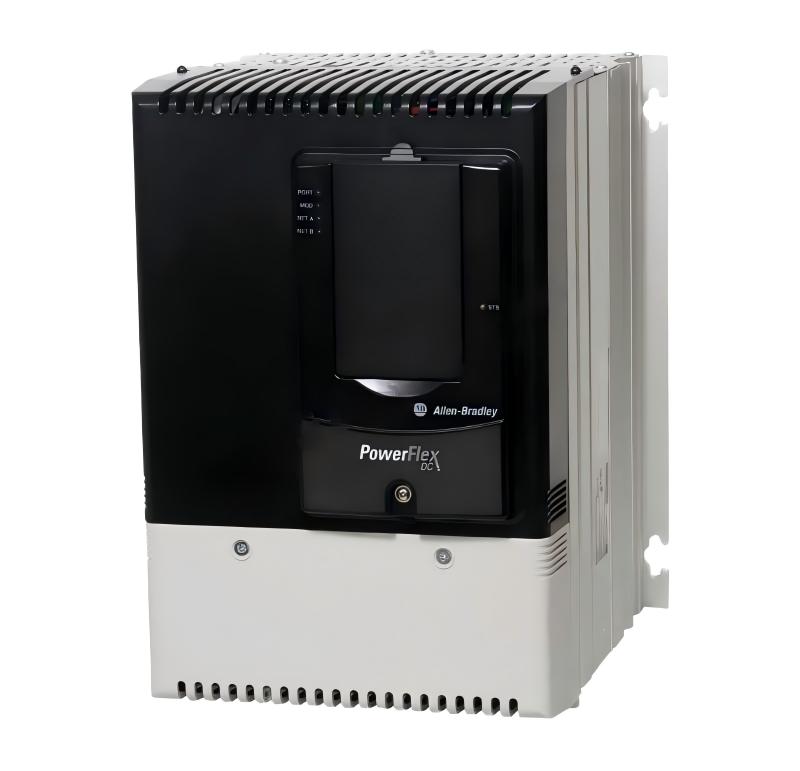
ABB is advancing the electrical infrastructure of next-generation data centers with its new Infinitus DC power portfolio, designed to address the rapidly increasing power requirements created by artificial intelligence, high-performance computing, and other energy-intensive digital technologies. The new portfolio focuses on direct-current power distribution, advanced protection, and power conversion technologies for high-density computing environments.

AI Data Centers Create New Power Requirements
The rapid growth of generative AI and high-performance computing is transforming the design of modern data centers. AI servers require significantly more electrical power than many traditional computing systems, while the increasing number of processors and accelerators installed in individual racks is driving power density to new levels.
Traditional electrical architectures can require several stages of power conversion between the incoming electrical supply and the computing equipment. Each conversion stage introduces additional losses, equipment requirements, and potential points of complexity.
ABB’s Infinitus portfolio addresses this challenge through an 800 VDC power distribution architecture designed specifically for high-density computing applications.
800 VDC Architecture for High-Density Computing
One of the central concepts behind Infinitus is the use of higher-voltage DC distribution.
As the electrical demand of AI racks increases, distributing power at higher DC voltage can help reduce current levels for a given amount of power. Lower current can contribute to reduced conductor requirements, lower electrical losses, and more efficient power distribution.
The architecture is designed to provide a more direct electrical path from the power source toward high-density computing equipment.
This approach can be particularly valuable for new AI data centers where electrical infrastructure must be designed around significantly higher rack power requirements than conventional facilities.
Integrated Power Distribution and Protection
Infinitus combines power distribution and protection technologies into an integrated portfolio. This can help data-center operators manage the increasingly complex electrical requirements associated with AI computing.
Modern data centers require continuous monitoring of electrical parameters such as voltage, current, power consumption, temperature, and equipment status. Protection systems must also respond rapidly to abnormal electrical conditions while maintaining high levels of availability.
For AI infrastructure, electrical protection is closely connected with computing reliability. A power interruption or electrical fault can affect large numbers of processors and computing workloads, making dependable power architecture an important part of overall data-center performance.
Solid-State Transformer Technology
Another important component of ABB’s approach is solid-state transformer technology.
Compared with conventional transformer architectures, solid-state technologies can provide greater flexibility in power conversion and control. They can also support more compact electrical designs and enable advanced monitoring of power flows.
For data centers, these capabilities can help create electrical infrastructure that is better suited to rapidly changing computing loads.
As AI workloads can generate significant variations in power demand, intelligent power conversion and monitoring technologies can become increasingly important.
Connecting Electrical Infrastructure with Digital Automation
The development of Infinitus also highlights the growing relationship between electrical infrastructure and industrial automation.
A modern AI data center is not simply a collection of servers. It requires a coordinated infrastructure that includes power distribution, cooling systems, monitoring equipment, networking, energy management, and automated control.
PLC systems, industrial controllers, intelligent electrical devices, sensors, and energy-management software can be used to monitor and coordinate these systems.
This creates opportunities for industrial automation technologies to play a larger role in data-center infrastructure.
Applications Beyond AI Data Centers
Although AI data centers represent an important application, high-power DC architectures can also be relevant to other energy-intensive environments.
Potential applications include:
- High-performance computing facilities
- Industrial production sites
- Renewable energy systems
- Battery energy-storage installations
- Electrified transportation infrastructure
- Marine electrical systems
- Advanced manufacturing facilities
As more industrial processes become electrified, efficient power conversion and distribution will become increasingly important.
Supporting the Future of Digital Infrastructure
The rapid expansion of AI is changing not only computing technology but also the electrical infrastructure required to support it. Higher processor density, larger computing workloads, and increasing rack power are forcing data-center operators to reconsider traditional power architectures.
ABB’s Infinitus portfolio reflects this shift toward higher-voltage DC distribution, intelligent power conversion, advanced protection, and integrated electrical infrastructure.
For industrial automation engineers and system integrators, this trend also creates new opportunities to combine electrical equipment with PLC control, industrial communication, monitoring systems, and intelligent energy-management platforms.
Conclusion
ABB’s Infinitus DC power portfolio addresses one of the most important infrastructure challenges created by the rapid expansion of AI computing: how to deliver increasingly large amounts of electrical power efficiently and reliably.
By combining 800 VDC distribution, advanced power protection, solid-state transformer technology, and intelligent electrical infrastructure, the solution is designed to support the next generation of high-density data centers and other energy-intensive applications.
As AI continues to reshape digital infrastructure, power distribution and industrial automation will become increasingly interconnected, creating new opportunities for intelligent electrical control and energy-management technologies.