

ProductPRODUCT
Featured products
Contact Us
- Allen Bradley
- MPL-A430H-HJ72AA
- Servo Motor
- USA
- 115 mm
- 5.5 kg
- Xiamen, China
- New & In Stock
- T/T, PayPal, Western Union
- 1 Year
- 1-3 Working Days
- DHL, UPS, TNT, FedEx and EMS.
- 24-Hour Service
- COO
- 5
Our advantage

Global Logistics
We have a 10-year logistics and express cooperation agreement, so our products can be shipped to any place in the world.

Brand new and original
Our products are imported in bulk from the place of origin. Because of the cooperative relationship, our products are all original and 100% new.

24-hour service
We provide 7*24 hours service to our customers. We will be there whenever you need us.

Price advantage
All our products are priced very favorably because we have our own warehouse and supply.
| Company Information | |||
| [email protected] | |||
| Mobile | +8615980777398 | ||
| +8615980777398 | |||
| 15980777398 |
Product Overview
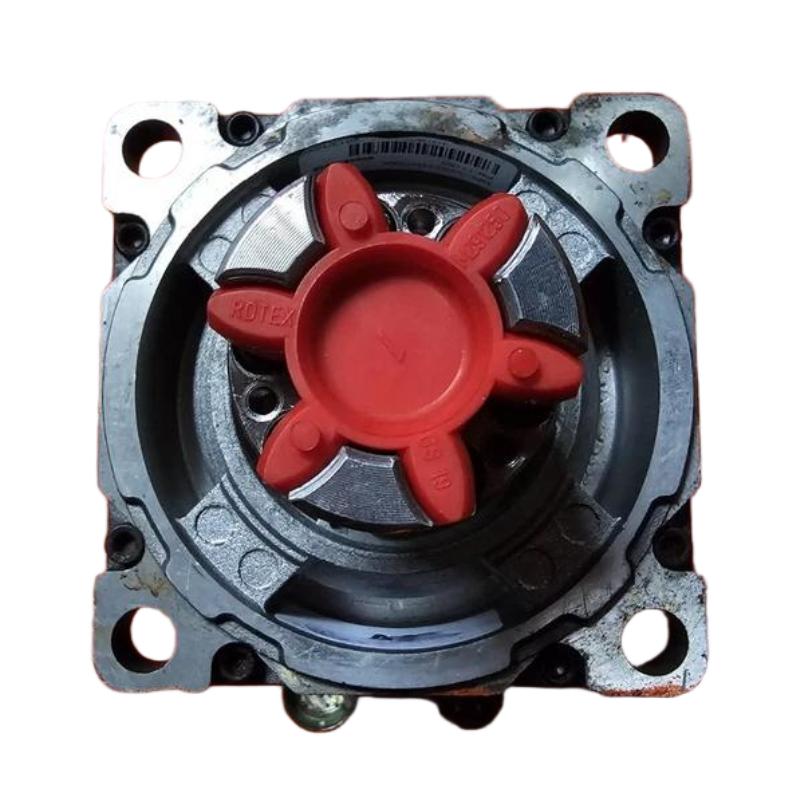
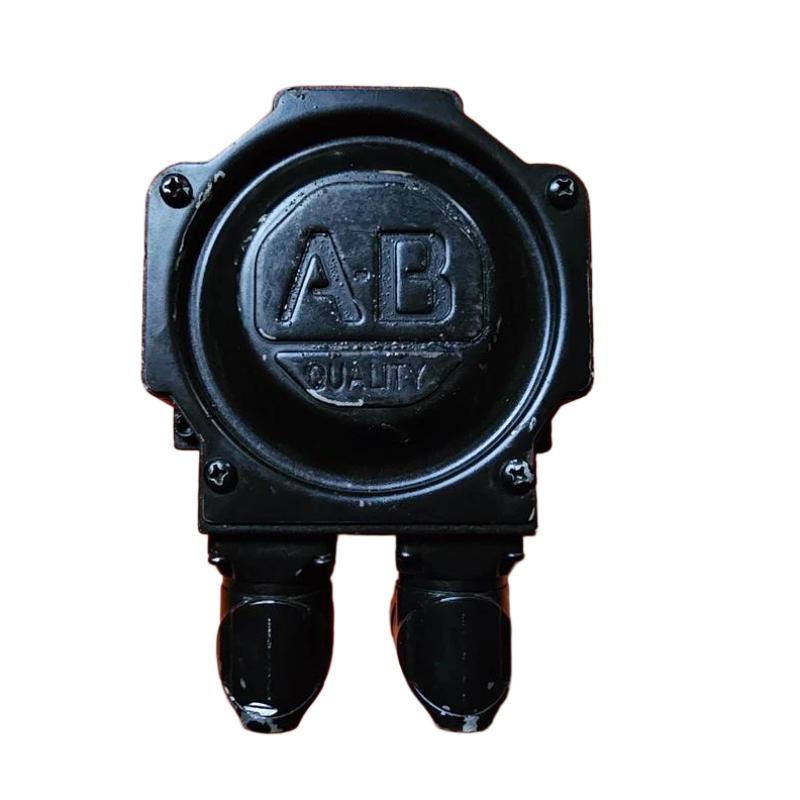
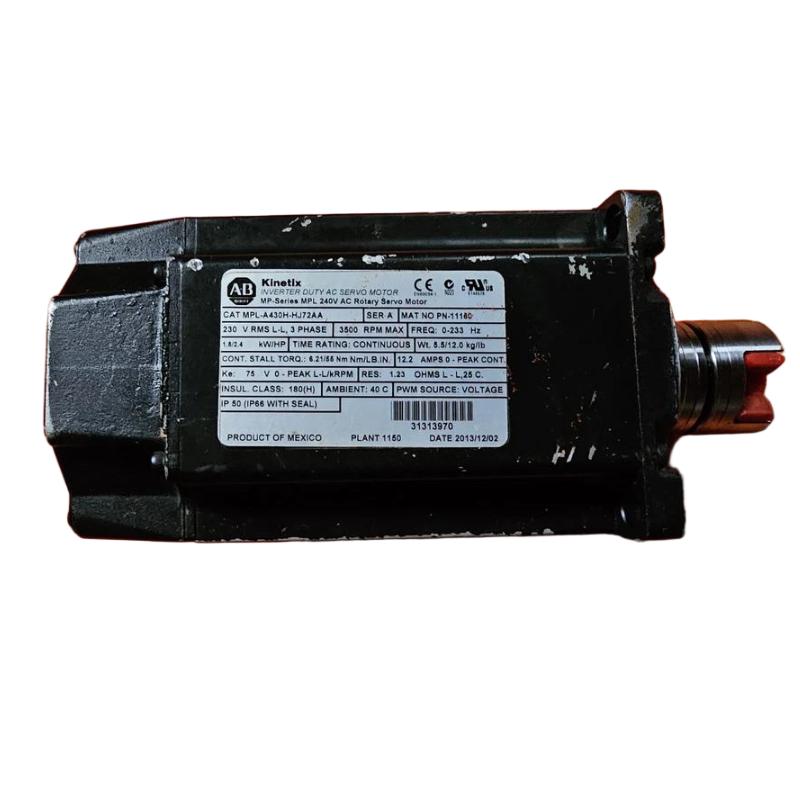
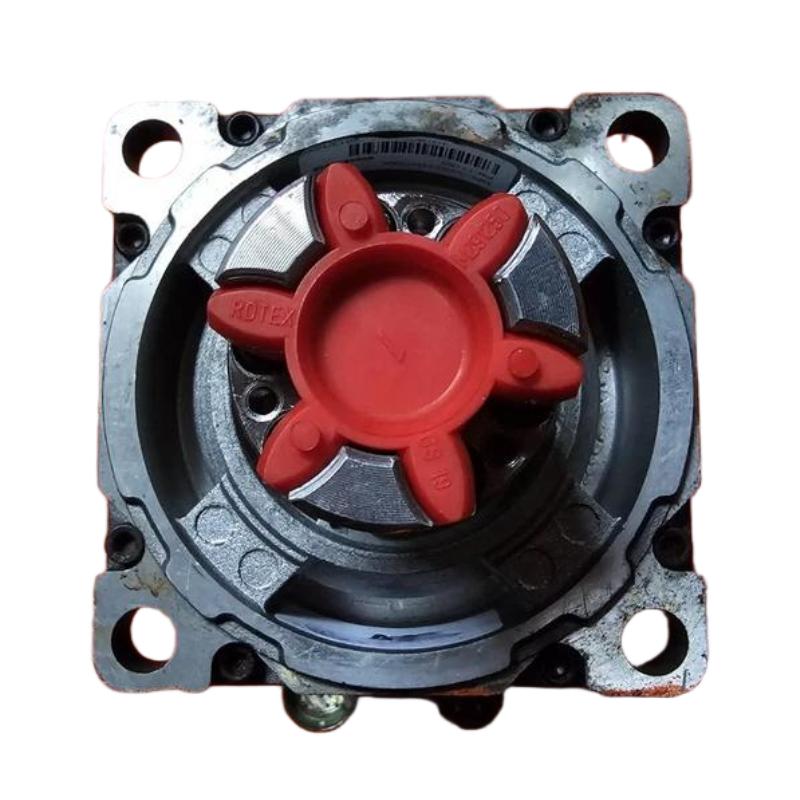
The Allen Bradley MPL-A430H-HJ72AA Servo Motor is an industrial servo motor designed for high-performance motion control applications. As part of the Allen Bradley MPL series, this motor is intended for integration into coordinated servo systems where accurate positioning, controlled acceleration, repeatable motion, and reliable dynamic performance are required.
The MPL-A430H-HJ72AA is suitable for applications where the motor must work together with a compatible servo drive, motion controller, feedback system, and mechanical load. In a typical automation architecture, the controller generates the required motion command, the servo drive regulates motor operation, and the servo motor converts electrical energy into controlled mechanical motion.
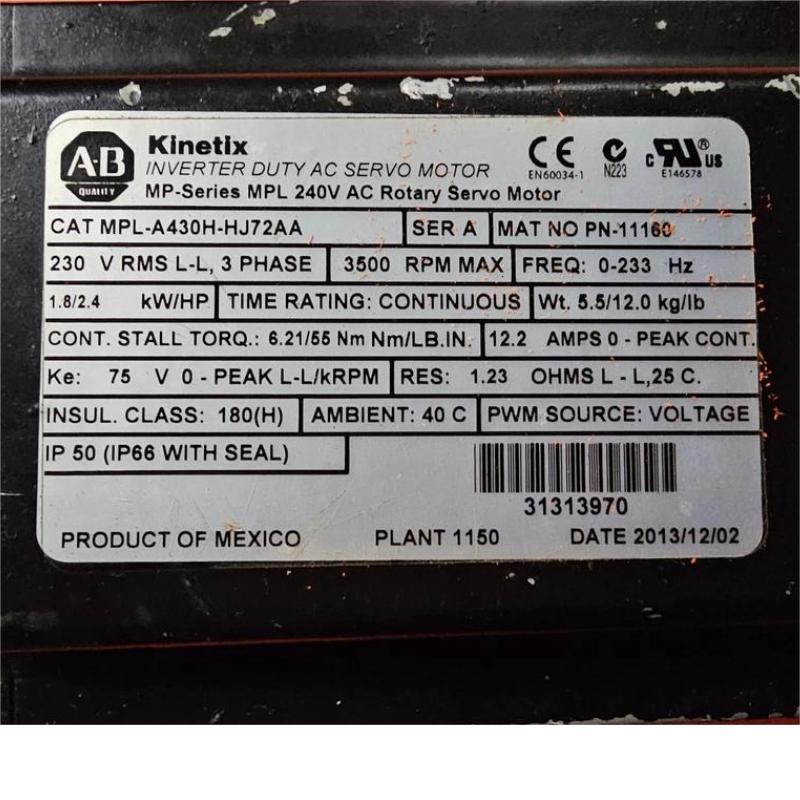
This model has a 115 mm frame size and a listed weight of 5.5 kg, providing useful physical information for machine design, cabinet planning, motor mounting, handling, and replacement work.
Servo motors such as the MPL-A430H-HJ72AA are commonly used in industrial machinery that requires controlled rotary motion. Typical applications include packaging equipment, material handling systems, machine tools, assembly machinery, printing equipment, converting machinery, and automated production systems.
Technical Specifications
| Parameter | Specification |
|---|---|
| Manufacturer | Allen Bradley |
| Product Family | MPL Servo Motor |
| Model | MPL-A430H-HJ72AA |
| Product Type | Servo Motor |
| Motor Category | Industrial AC Servo Motor |
| Frame Size | 115 mm |
| Weight | 5.5 kg |
| Application | Industrial Motion Control |
| Control System | Servo Drive and Motion Controller |
| Installation | Machine-mounted |
| Typical Applications | Automation, Packaging, Material Handling, Machine Tools, Assembly Equipment |
The exact electrical and mechanical characteristics of an individual servo motor should be verified from the motor nameplate and the documentation applicable to the specific configuration and revision.
What Is the Allen Bradley MPL-A430H-HJ72AA?
The Allen Bradley MPL-A430H-HJ72AA is a servo motor designed to provide controlled rotary motion in industrial automation systems.
Unlike a conventional induction motor that is often used for relatively simple speed-control applications, a servo motor operates as part of a closed-loop motion system. The controller and servo drive continuously manage motor operation according to the required motion profile.
A typical servo system can be represented as:
Motion Controller → Servo Drive → MPL-A430H-HJ72AA Servo Motor → Mechanical Load
Feedback from the motor or motion system is used by the servo control architecture to monitor operating conditions and maintain the required motion.
The result is a coordinated system capable of performing tasks such as positioning, indexing, synchronized movement, controlled acceleration, and repeatable machine cycles.
Servo Motor Working Principle
The MPL-A430H-HJ72AA operates as part of a closed-loop servo system.
The motion controller first determines the required movement according to the machine program. This command can include the desired position, velocity, acceleration, deceleration, or synchronization requirements.
The servo drive then processes the command and supplies controlled electrical power to the motor. The motor converts this electrical input into mechanical rotation.
Feedback information is used within the servo system to compare actual motor behavior with the commanded motion. The control system can consequently make corrections when required.
A simplified operating sequence is:
- The motion controller generates a movement command.
- The servo drive receives the command.
- The drive regulates electrical power supplied to the motor.
- The MPL-A430H-HJ72AA produces mechanical rotation.
- Feedback information is monitored by the servo system.
- The controller and drive maintain the required motion profile.
This closed-loop approach is particularly useful for machinery where repeatability and coordinated movement are important.
Main Functions of the MPL-A430H-HJ72AA
The Allen Bradley MPL-A430H-HJ72AA can contribute several important functions to an industrial motion-control system.
Controlled Rotary Motion
The motor converts electrical energy into controlled mechanical rotation for automated machinery.
Positioning
When integrated with an appropriate motion-control system, the servo motor can participate in accurate positioning operations.
Speed Regulation
The servo drive controls motor operation according to the required machine speed and motion profile.
Acceleration and Deceleration
Controlled acceleration and deceleration help machinery transition between operating speeds without relying on uncontrolled motor behavior.
Repetitive Motion
Servo systems are well suited to machines that repeatedly perform predefined motion sequences.
Coordinated Axis Control
Multiple servo motors can be coordinated by a suitable motion controller when the application requires synchronized movement between machine axes.
Role in Industrial Automation
The MPL-A430H-HJ72AA can serve as the mechanical motion element within an industrial automation system.
A complete motion-control architecture may include:
- PLC or motion controller
- Servo drive
- Servo motor
- Feedback system
- Mechanical transmission
- Machine tooling
- Safety system
- Human-machine interface
- Industrial communication network
The controller determines what the machine should do, while the servo drive regulates how the motor responds.
The servo motor then supplies the mechanical movement required by the machine.
This separation of functions makes servo systems suitable for sophisticated automation equipment where several motion axes must operate according to coordinated production sequences.
Industrial Applications
The Allen Bradley MPL-A430H-HJ72AA can be considered for a range of industrial motion-control applications when its complete electrical and mechanical specifications match the machine requirements.
Packaging Machinery
Packaging equipment frequently requires repeated positioning, indexing, feeding, cutting, sealing, and material-handling movements.
Servo motors provide the controlled motion required for these operations.
Material Handling
Automated conveyors, transfer systems, positioning mechanisms, and other material-handling equipment can use servo motors when controlled movement is required.
Assembly Equipment
Automated assembly machinery may use servo axes to position components accurately and repeat machine cycles.
Machine Tools
Servo motors are commonly used for controlled machine-tool axes where programmed movement and repeatability are required.
Printing and Converting Equipment
Printing and converting systems often require coordinated motion between rollers, feeders, cutters, and other machine elements.
Automated Production Lines
Servo systems can be integrated into production machinery where multiple mechanical operations must be coordinated through a central automation system.
Robotics and Special Machinery
The motor may also be incorporated into specialized motion systems when the motor’s electrical, feedback, mechanical, and environmental specifications are suitable for the application.
Mechanical Integration
Correct mechanical integration is essential for reliable servo motor operation.
The 115 mm frame size should be considered during machine design and motor replacement planning. The available mounting space must accommodate the motor body while also providing adequate access for installation, maintenance, cable routing, and ventilation.
Important mechanical considerations include:
- Motor mounting arrangement
- Available installation space
- Shaft and coupling arrangement
- Load alignment
- Mechanical rigidity
- Vibration
- Cable routing
- Maintenance access
- Motor orientation
- Protection from contamination
The motor should be aligned correctly with the driven mechanism. Misalignment can introduce unnecessary mechanical stress and may reduce the service life of bearings, couplings, and connected machine components.
Servo Drive Integration
The MPL-A430H-HJ72AA should be operated with a compatible servo drive and control architecture.
The drive acts as the interface between the industrial controller and the motor. It regulates the electrical characteristics required to produce the desired motor behavior.
During system design, engineers should verify:
- Servo drive compatibility
- Motor identification
- Feedback compatibility
- Required power characteristics
- Control architecture
- Communication requirements
- Motor cable requirements
- Application-specific protection
- Drive configuration parameters
The exact compatible drive should be confirmed using the applicable Allen Bradley product documentation and the motor’s complete identification information rather than assuming compatibility based only on the MPL series designation.
Installation Guidelines
Proper installation helps establish stable motor performance and reduces the risk of premature mechanical or electrical problems.
1. Verify the Motor Identification
Before installation, confirm the complete model number:
MPL-A430H-HJ72AA
The motor model should be compared with the machine bill of materials, replacement specification, and existing motor identification.
2. Check the Mounting Area
Verify that the machine provides sufficient space for the 115 mm frame-size motor.
The mounting structure should be rigid enough to support the motor and the connected load.
3. Inspect the Motor
Before installation, inspect the motor for:
- Physical damage
- Damaged connectors
- Contamination
- Loose components
- Signs of improper storage
- Mechanical damage around the mounting area
4. Check Mechanical Alignment
The motor shaft should be correctly aligned with the driven mechanism.
Flexible couplings may be used where appropriate, but they should not be relied upon to compensate for significant mechanical misalignment.
5. Route Motor Cables Correctly
Motor and feedback cables should be routed according to the applicable machine wiring and EMC requirements.
Avoid unnecessary proximity to high-power switching conductors where electrical interference could affect the motion system.
6. Verify Grounding
Proper protective grounding and system bonding should be established according to the applicable electrical installation requirements.
7. Verify Feedback Connections
If the system uses motor feedback, the feedback connection should be checked carefully before commissioning.
Incorrect feedback wiring can cause incorrect motor operation or prevent successful drive commissioning.
Commissioning Procedure
After mechanical and electrical installation, the servo system should be commissioned in a controlled manner.
Step 1: Verify Motor Identification
Confirm that the installed motor corresponds to the intended machine configuration.
Step 2: Check Mechanical Installation
Verify mounting bolts, coupling alignment, shaft connection, and mechanical clearances.
Step 3: Verify Electrical Connections
Inspect the motor power and feedback connections before energizing the system.
Step 4: Configure the Servo Drive
Enter or select the appropriate motor information in the compatible servo drive according to the applicable configuration procedure.
Step 5: Check Feedback
Confirm that the drive correctly recognizes the motor feedback system.
Step 6: Perform Low-Speed Testing
Initial movement should normally be performed under controlled conditions and at reduced speed where practical.
Observe the motor and connected machinery for unexpected vibration, noise, or mechanical interference.
Step 7: Test the Motion Profile
Once basic operation has been confirmed, test the required acceleration, deceleration, positioning, and synchronization functions.
Step 8: Verify Machine Operation
Run the machine through representative operating cycles and verify that the motion system performs as intended.
Troubleshooting the MPL-A430H-HJ72AA
Servo motor problems should be diagnosed as part of the complete motion-control system rather than by replacing the motor immediately.
Motor Does Not Rotate
Possible causes include:
- Servo drive not enabled
- Incorrect control command
- Motor cable problem
- Feedback connection problem
- Drive fault
- Incorrect motor configuration
- Mechanical obstruction
- Safety circuit preventing operation
Check the drive status and diagnostic information before replacing the motor.
Motor Rotates Unexpectedly
Unexpected movement can be associated with incorrect control parameters, feedback problems, wiring errors, or incorrect commissioning.
The system should be placed in a safe state before investigating unexpected motion.
Excessive Vibration
Possible causes include:
- Mechanical misalignment
- Loose mounting
- Unbalanced load
- Coupling problems
- Mechanical resonance
- Incorrect motion parameters
- Bearing-related mechanical problems
Mechanical inspection should be performed before assuming an electronic failure.
Motor Overheating
Motor temperature problems can be associated with:
- Excessive mechanical load
- Continuous high-duty operation
- Insufficient cooling
- Incorrect application conditions
- Mechanical friction
- Incorrect drive configuration
The motor should not be operated outside its applicable ratings.
Positioning Errors
Positioning problems may originate from the motor, feedback system, drive, controller, mechanical transmission, or load.
Check the complete motion chain rather than assuming the servo motor itself is defective.
Intermittent Operation
Intermittent servo faults can result from:
- Loose connections
- Damaged cables
- Feedback problems
- Electrical interference
- Mechanical vibration
- Drive faults
- Communication problems
Trend monitoring and drive diagnostics can help identify intermittent conditions.
Maintenance Recommendations
Although servo motors are designed for industrial operation, preventive maintenance remains important.
Inspect Motor Mounting
Periodically verify that the motor remains securely mounted and that there are no signs of mechanical movement.
Check Cable Connections
Inspect motor and feedback cables for damage, excessive bending, loose connections, or environmental deterioration.
Monitor Mechanical Noise
Unexpected changes in motor noise can indicate mechanical problems that require further investigation.
Monitor Vibration
Changes in vibration can indicate alignment problems, mechanical imbalance, coupling issues, or other machine-related conditions.
Inspect the Driven Load
A servo motor can appear to have a fault when the actual problem is caused by excessive friction or a mechanical problem in the driven equipment.
Maintain the Installation Environment
Keep the motor and surrounding equipment within the environmental conditions applicable to the complete servo system.
Replacement Considerations
When replacing an Allen Bradley MPL-A430H-HJ72AA, the complete model number should be verified.
Important information includes:
- Full motor catalog number
- Frame size
- Motor weight
- Feedback configuration
- Connector arrangement
- Mechanical mounting
- Shaft configuration
- Servo drive compatibility
- Application requirements
- Existing machine configuration
The listed physical characteristics for this model are:
Frame Size: 115 mm
Weight: 5.5 kg
These values should be considered during machine layout, transportation, handling, and replacement planning.
A motor with a similar physical appearance should not automatically be treated as an equivalent replacement. Servo motor compatibility depends on electrical, mechanical, feedback, and control-system requirements.
Physical Size and Weight
The 115 mm frame size provides an important reference for mechanical integration.
For engineers replacing an existing servo motor, the frame size can help establish the approximate mounting envelope, but it should not be used as a substitute for verifying detailed mounting dimensions.
The listed weight is:
5.5 kg
This information is useful for:
- Machine structural calculations
- Motor handling
- Installation planning
- Replacement logistics
- Equipment transportation
- Maintenance planning
Detailed mounting-hole locations, shaft dimensions, connector positions, and other mechanical measurements should be confirmed from the specific motor documentation before fabrication or replacement.
Servo System Architecture
A typical automation system using the MPL-A430H-HJ72AA can be organized into several layers.
Control Layer
The PLC or motion controller generates the machine’s movement commands.
Drive Layer
The servo drive receives commands and controls electrical power delivered to the motor.
Motor Layer
The MPL-A430H-HJ72AA Servo Motor converts electrical energy into controlled mechanical motion.
Feedback Layer
Motor feedback provides information used by the servo system to monitor actual movement.
Mechanical Layer
The motor drives the machine mechanism through an appropriate coupling, gearbox, belt, screw, or other transmission arrangement.
This architecture allows industrial machines to achieve coordinated and repeatable motion.
Engineering Best Practices
Several practices can improve the reliability of a servo installation.
Select the Motor According to the Complete Application
Motor selection should consider the complete motion profile rather than only the physical frame size.
Consider the Mechanical Load
The driven load determines the required acceleration, deceleration, speed, and torque characteristics.
Maintain Proper Alignment
Correct alignment reduces unnecessary mechanical loading.
Protect Feedback Wiring
Feedback signals can be important to closed-loop operation, so wiring should be installed carefully and protected against mechanical damage and electrical interference.
Use Appropriate Commissioning Procedures
Initial commissioning should be performed gradually, beginning with basic checks before full-speed production operation.
Record Configuration Information
Maintaining records of motor identification, drive configuration, machine parameters, and replacement history can simplify future maintenance.
Key Advantages
The Allen Bradley MPL-A430H-HJ72AA provides several useful characteristics for industrial motion-control systems:
- 115 mm frame size for industrial machine integration
- 5.5 kg listed weight for installation and handling planning
- Designed for servo-based motion-control applications
- Suitable for closed-loop motion architectures
- Supports controlled rotary machine movement
- Appropriate for automated positioning and synchronized motion applications
- Can be integrated into industrial servo systems with compatible control hardware
- Suitable for demanding automated machinery when application requirements are properly matched
Technical FAQs
What is the Allen Bradley MPL-A430H-HJ72AA?
The Allen Bradley MPL-A430H-HJ72AA is an industrial servo motor designed for integration into servo-based motion-control systems.
What is the frame size of the MPL-A430H-HJ72AA?
The listed frame size is 115 mm.
How much does the MPL-A430H-HJ72AA weigh?
The listed weight is 5.5 kg.
What is the main function of this servo motor?
Its primary function is to convert controlled electrical energy from a compatible servo drive into mechanical rotary motion for industrial automation equipment.
Can the MPL-A430H-HJ72AA be used with any servo drive?
No. Servo motor and drive compatibility should be verified using the complete motor identification, feedback configuration, electrical requirements, and the requirements of the control system.
Where can this servo motor be used?
Potential applications include packaging machinery, material handling, automated assembly, machine tools, printing and converting equipment, and other industrial motion-control systems where its complete specifications are appropriate.
What should be checked before replacing the motor?
Verify the complete model number, frame size, mechanical mounting, shaft arrangement, feedback configuration, motor cabling, servo drive compatibility, and machine requirements.
Does the 115 mm frame size provide all mounting dimensions?
No. Frame size is a general physical classification. Detailed mounting dimensions, shaft dimensions, connector positions, and other mechanical characteristics should be confirmed from the applicable documentation.
What can cause servo positioning errors?
Positioning errors can originate from the servo motor, feedback system, servo drive, controller, mechanical transmission, coupling, load, or incorrect configuration. The complete motion system should therefore be inspected.
Conclusion
The Allen Bradley MPL-A430H-HJ72AA Servo Motor is an industrial motion-control component intended for integration into automated machinery requiring controlled and repeatable rotary movement. With a listed 115 mm frame size and 5.5 kg weight, the motor provides useful physical characteristics for machine design, installation, handling, and replacement planning.
As part of a complete servo architecture, the motor works together with a compatible servo drive, motion controller, feedback system, and mechanical load. This architecture allows industrial equipment to perform controlled positioning, speed regulation, acceleration, deceleration, indexing, and coordinated motion.
For installation or replacement, engineers should verify the complete MPL-A430H-HJ72AA model identification and confirm all electrical, mechanical, feedback, and environmental requirements for the intended application. Proper integration, commissioning, alignment, cable management, and preventive maintenance are essential for achieving reliable long-term servo system performance.