

ProductPRODUCT
Featured products
Contact Us
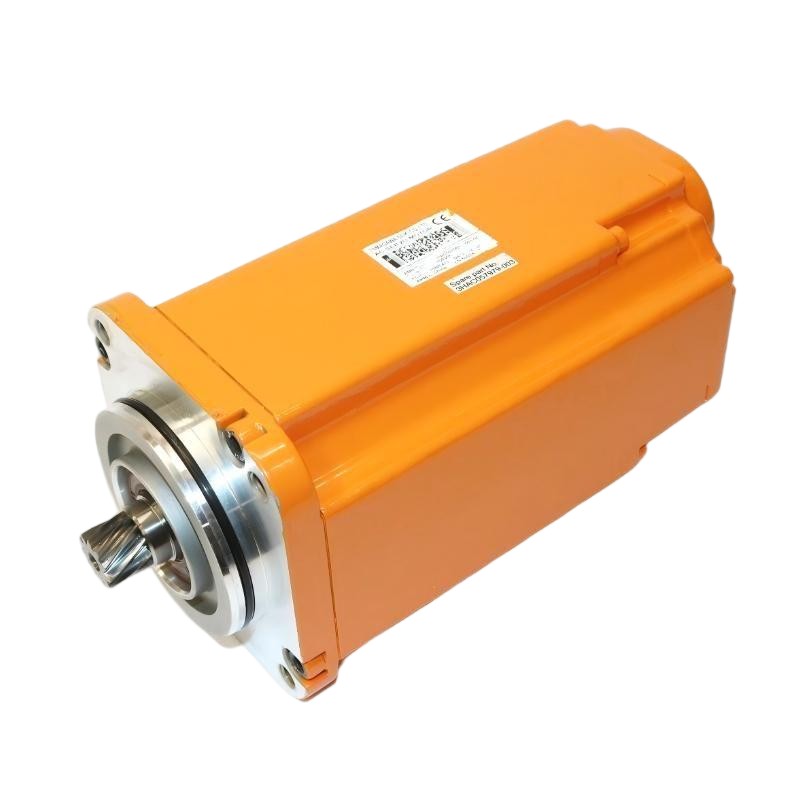
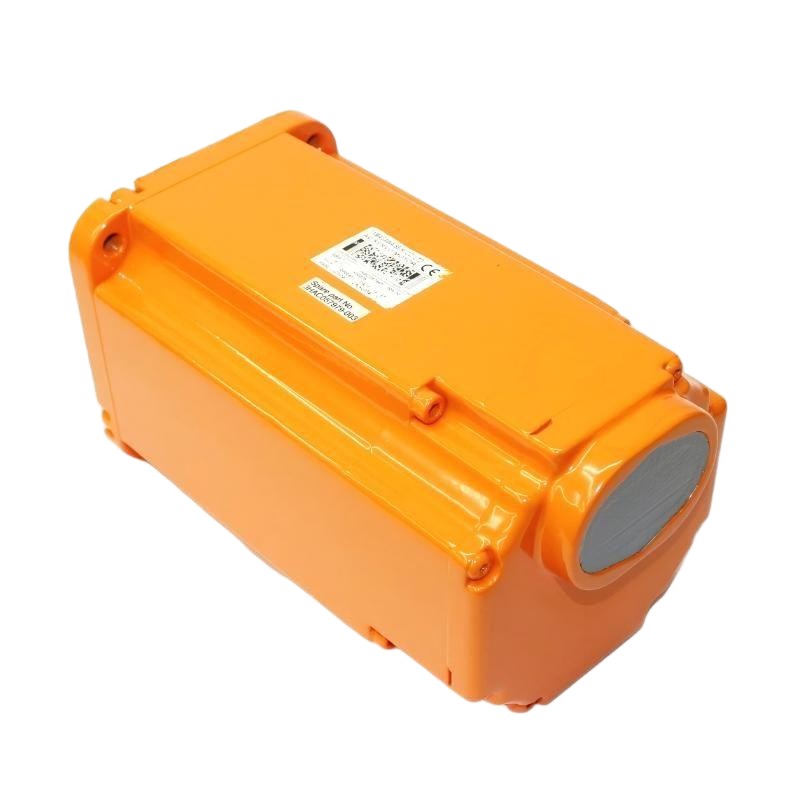
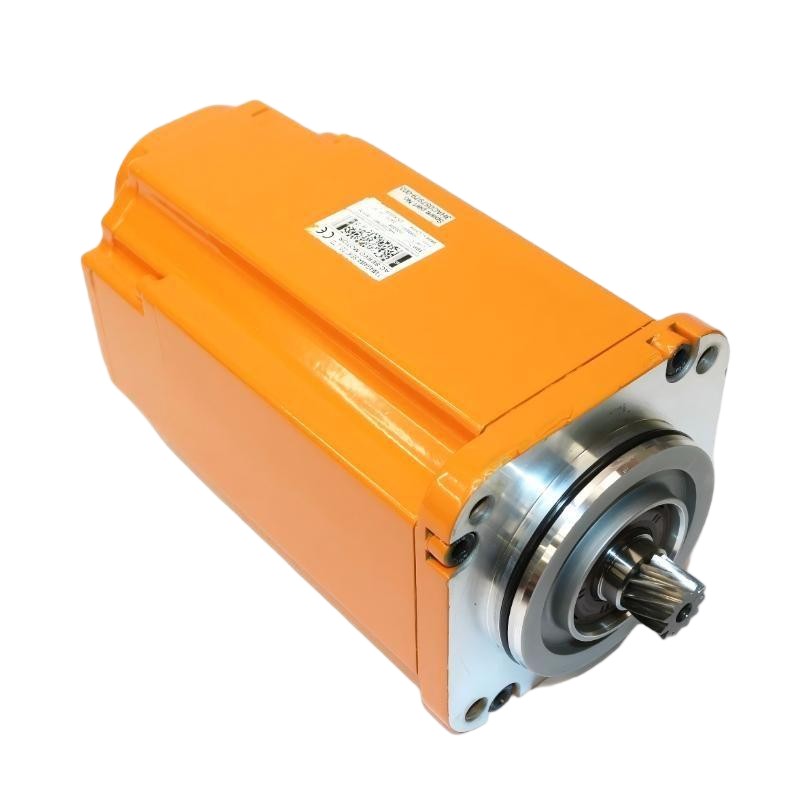
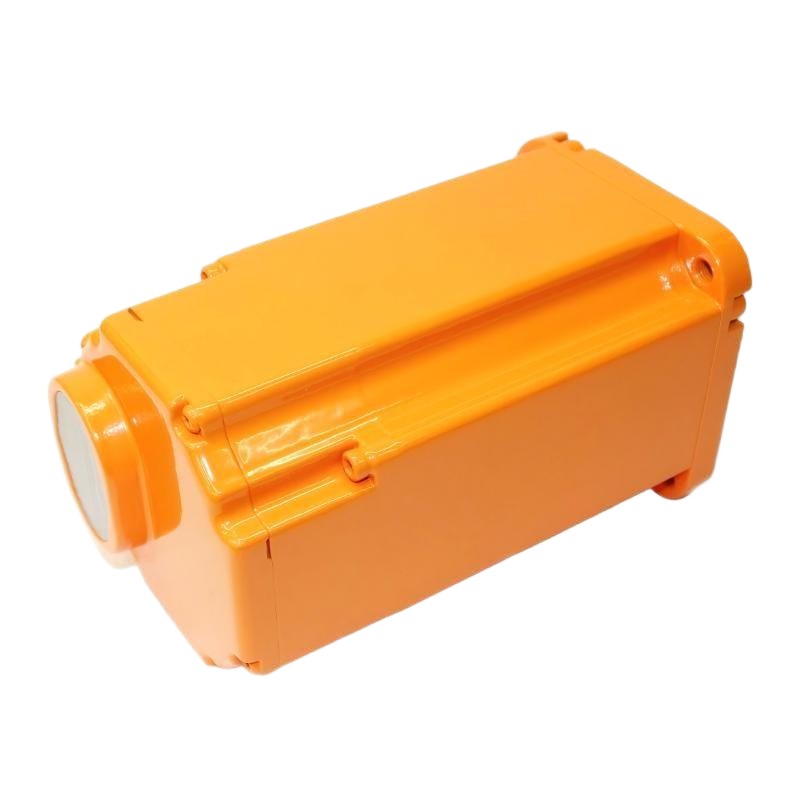
- ABB
- 3HAC14673-7
- Rotational AC Motor M7
- Sweden (SE)
- 480 × 80 × 250 mm
- 13.6 kg
- Xiamen, China
- New & In Stock
- T/T, PayPal, Western Union
- 1 Year
- 1-3 Working Days
- DHL, UPS, TNT, FedEx and EMS.
- 24-Hour Service
- COO
- 3
Our advantage

Global Logistics
We have a 10-year logistics and express cooperation agreement, so our products can be shipped to any place in the world.

Brand new and original
Our products are imported in bulk from the place of origin. Because of the cooperative relationship, our products are all original and 100% new.

24-hour service
We provide 7*24 hours service to our customers. We will be there whenever you need us.

Price advantage
All our products are priced very favorably because we have our own warehouse and supply.
| Company Information | |||
| [email protected] | |||
| Mobile | +8615980777398 | ||
| +8615980777398 | |||
| 15980777398 |
Product Overview
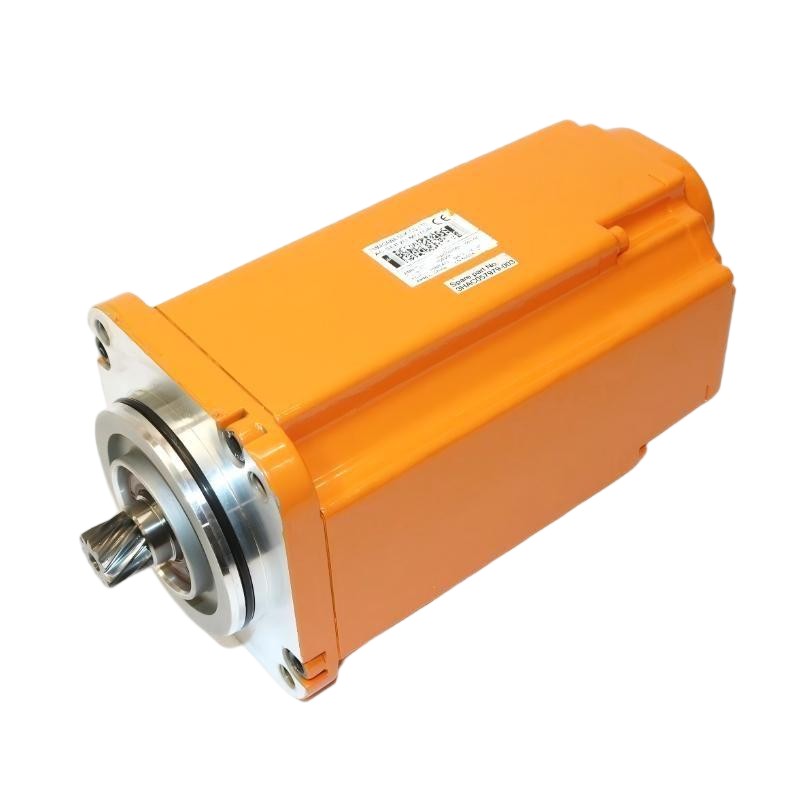
The ABB 3HAC14673-7 Rotational AC Motor M7 is an AC motor used in ABB industrial robotic and automation equipment for converting electrical power into controlled rotary mechanical motion. It belongs to the motion-power side of the system and works with the associated drive and mechanical transmission components.
In robotic applications, an AC motor such as the M7 can be associated with an individual motion axis where controlled rotation is required. The motor works together with the robot controller, drive electronics, feedback arrangement, and mechanical transmission to produce the commanded movement of the robot mechanism.
The motor is suited to demanding automation environments where repeated acceleration, deceleration, positioning, and directional changes are part of normal machine operation. Its application is therefore closely linked to the complete motion-control chain rather than to standalone motor operation.
For maintenance teams, the motor should be evaluated together with its drive, feedback path, mechanical coupling, and axis mechanics. Abnormal movement, overheating, unusual noise, or positioning errors can originate from any of these connected elements.
Technical Specifications
| Parameter | Specification |
|---|---|
| Manufacturer | ABB |
| Model | 3HAC14673-7 |
| Product Family | ABB Robotics |
| Product Type | Rotational AC Motor |
| Motor Designation | M7 |
| Primary Function | Rotary motion generation |
| System Role | Robot axis drive motor |
| Typical Application | Industrial robotic and automation motion systems |
| Dimensions | 480 × 80 × 250 mm |
| Weight | 13.6 kg |
Product Features
- Rotational AC motor identified as M7 within the ABB robotic motion system.
- Converts electrical drive power into rotary mechanical motion.
- Suitable for controlled robot-axis movement.
- Works as part of a complete servo or motion-control chain.
- Supports repeated movement cycles in industrial automation applications.
- Interfaces with the associated motor drive and feedback system.
- Suitable for robotic mechanisms requiring coordinated rotary motion.
- Intended for integration with compatible ABB robotic equipment.
Working Principle
The 3HAC14673-7 receives controlled electrical power from the associated motor drive. The drive regulates the electrical conditions supplied to the motor according to the commanded axis movement.
The motor converts this electrical input into rotational torque. That torque is transferred through the robot’s mechanical transmission to move the corresponding axis.
Robot Controller → Motor Drive → 3HAC14673-7 M7 AC Motor → Mechanical Transmission → Robot Axis
Where feedback is used by the motion-control system, the controller compares commanded and actual axis behavior and adjusts the drive accordingly. The motor itself generates the mechanical motion, while the controller and drive determine how that motion is commanded and regulated.
Motor performance can be affected by the drive, feedback system, mechanical load, coupling, bearings, and power connections. These elements should therefore be considered together when diagnosing axis-related faults.
Role in an ABB Robot Motion Control Architecture
The 3HAC14673-7 occupies the motor stage of the robot’s motion chain. It receives controlled power from the associated drive and converts that power into rotary movement for the assigned robot mechanism.
Robot Controller → Robot Drive System → M7 AC Motor → Gearbox / Mechanical Transmission → Robot Axis
| System Element | Function |
|---|---|
| Robot Controller | Calculates and coordinates programmed robot motion |
| Motor Drive | Regulates electrical power supplied to the motor |
| 3HAC14673-7 M7 Motor | Generates rotary torque for the robot axis |
| Feedback System | Provides motion-related feedback where applicable |
| Gearbox / Transmission | Transfers and adapts motor torque to the robot axis |
| Robot Axis Mechanism | Converts motor torque into physical robot movement |
| Robot Tool / End Effector | Performs the programmed manufacturing operation |
The motor is therefore one part of a closed motion chain. Correct operation depends on coordination between the controller, drive, motor, feedback, and mechanical system.
Industrial Applications
| Application | Typical Use |
|---|---|
| Industrial Robot Arms | Rotary drive for a controlled robot axis |
| Material Handling Robots | Repeated positioning and movement operations |
| Welding Robots | Coordinated axis rotation during welding cycles |
| Assembly Robots | Controlled motion for component assembly |
| Machine Tending | Axis movement for loading and unloading tasks |
| Palletizing Systems | Repetitive coordinated robot positioning |
| Robotic Production Cells | Multi-axis automated movement |
| Industrial Automation | Rotary motion within automated machinery |
Installation and Maintenance
- Verify the complete 3HAC14673-7 part number and intended robot-axis application before installation.
- Confirm compatibility with the associated ABB robot controller and motor-drive arrangement.
- Isolate electrical power and secure the robot against unintended movement before servicing the motor.
- Inspect the motor housing, mounting points, shaft interface, and accessible connectors for damage.
- Check the mechanical coupling and transmission for signs of looseness, wear, or abnormal loading.
- Verify that motor power connections are correctly identified and securely terminated.
- Check the associated feedback connection and cable routing where the axis uses a feedback system.
- Ensure that cooling paths and surrounding ventilation conditions are not obstructed.
- Rotate or inspect the mechanical assembly only according to the applicable robot maintenance procedure.
- During commissioning, check motor operation at controlled speed before returning the robot to production.
- Investigate abnormal noise, overheating, vibration, or positioning behavior by checking the motor, drive, feedback, and mechanical load together.
- After replacement, perform the required axis calibration, motion verification, and robot-system functional tests before normal operation.
Compatible System Components
| Component | Function |
|---|---|
| ABB Robot Controller | Coordinates programmed robot movement |
| ABB Robot Drive Unit | Supplies controlled electrical power to the motor |
| Motor Feedback System | Reports relevant axis-motion information |
| Robot Gearbox | Transfers motor torque to the robot mechanism |
| Mechanical Coupling | Connects motor output to the transmission system |
| Robot Axis Assembly | Produces the corresponding physical movement |
| Motor Power Cable | Carries electrical power between drive and motor |
| Robot Maintenance Equipment | Supports inspection and servicing of the axis |
Recommended Related Models
| Model / Product Family | Product Type | Typical Application |
|---|---|---|
| ABB 3HAC14673-7 | Rotational AC Motor | Robot-axis rotary motion |
| ABB M7 Motor | Robot AC Motor | Controlled robotic axis movement |
| ABB S4C+ Motion System | Robot Control System | Industrial robot motion control |
| ABB S4Cplus M2000 | Robot Controller Platform | Coordinated robot-axis control |
| ABB InMotion Drive Units | Robot Servo Drive | Motor power and motion regulation |
| ABB DSQC Robot Drive Modules | Robot Drive Module | Controlled axis motor operation |
| ABB Robot Gearbox Assemblies | Mechanical Transmission | Torque transmission to robot axes |
| ABB Robot Feedback Components | Feedback System | Axis motion feedback |
Key Advantages
- Provides rotary mechanical motion for a compatible ABB robot axis.
- Works as part of an integrated robot drive and motion-control system.
- Suitable for repetitive industrial robotic movement.
- Supports coordinated axis operation under controller and drive regulation.
- Can be serviced as part of a complete motor, drive, feedback, and mechanical transmission chain.
- Applicable to a range of industrial robotic operations requiring controlled rotary movement.
Technical FAQs
How should the 3HAC14673-7 be matched to a replacement motor?
The replacement should be matched by the complete part number and the original robot-axis configuration. The associated drive, feedback arrangement, mechanical coupling, and controller configuration should also be checked rather than selecting a motor solely by physical appearance.
What can cause an M7 motor to run but produce abnormal robot-axis movement?
Possible causes include drive configuration, feedback problems, mechanical transmission issues, excessive load, coupling problems, or motor-related faults. The motor should be diagnosed together with the complete axis rather than treated as an isolated component.
What checks are useful when the motor overheats during operation?
Inspect the cooling condition, mechanical load, drive behavior, power connections, and operating cycle. Persistent overheating should be investigated before continued operation because the cause may involve the motor or another component in the motion chain.
Does replacing the motor require robot-system verification?
Yes. After replacement, the motor connection, feedback path, mechanical installation, and axis behavior should be checked. The applicable ABB robot maintenance and calibration procedure should be followed before the robot is returned to production.