

ProductPRODUCT
Featured products
Contact Us
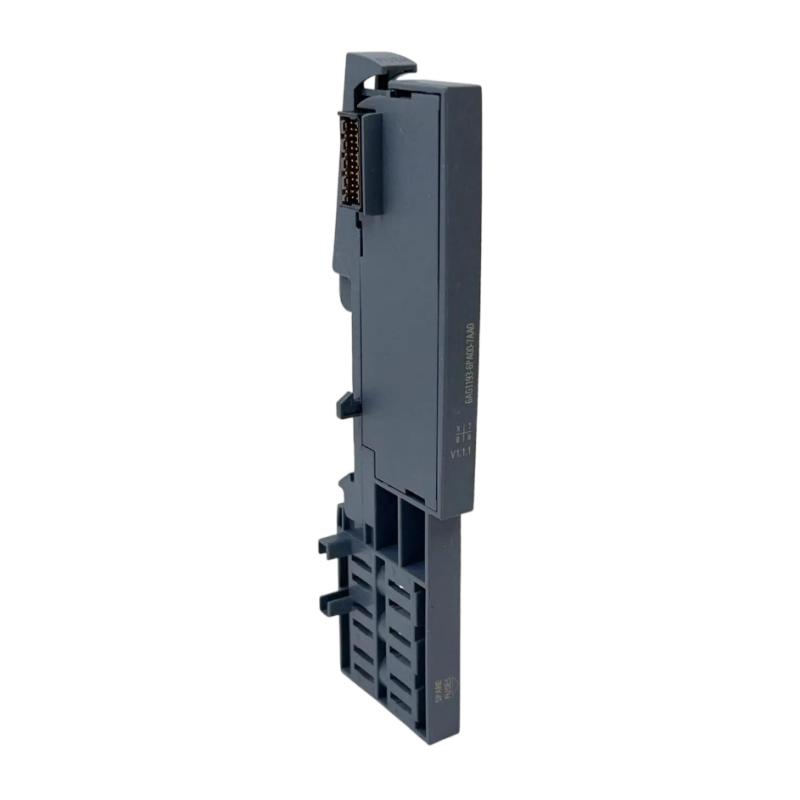
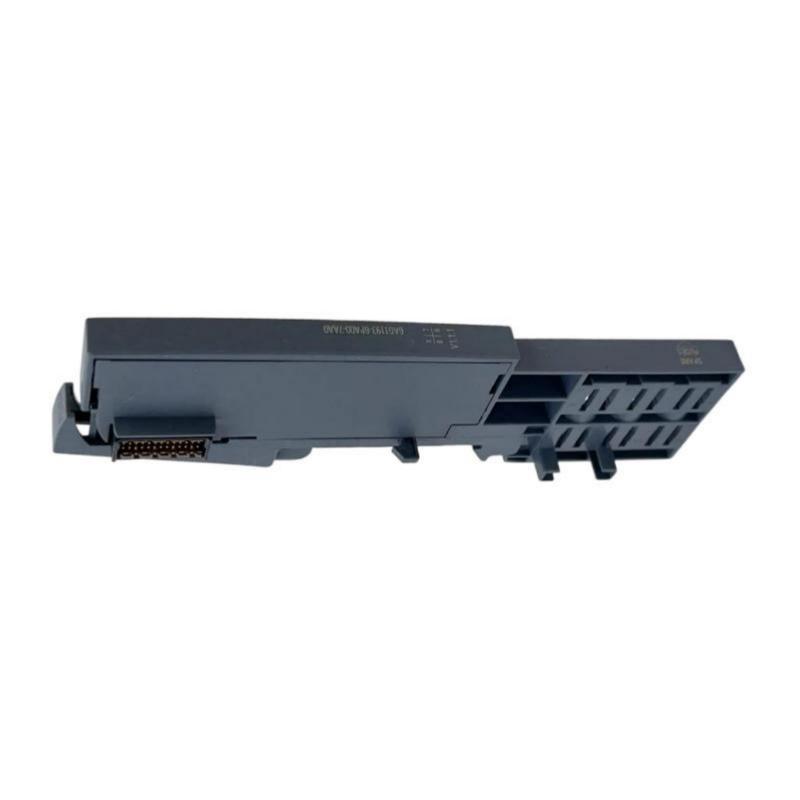
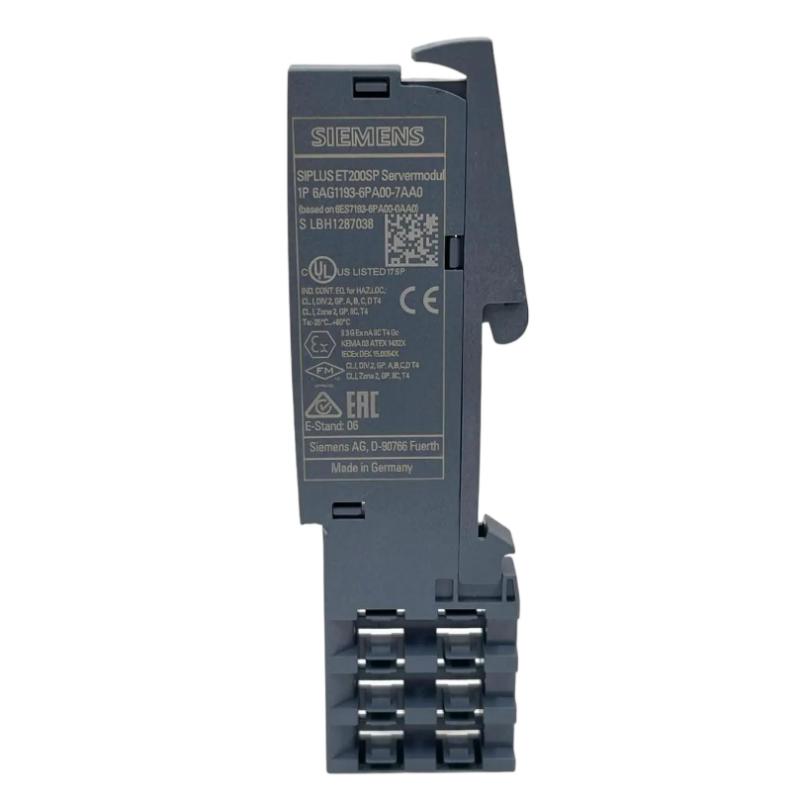
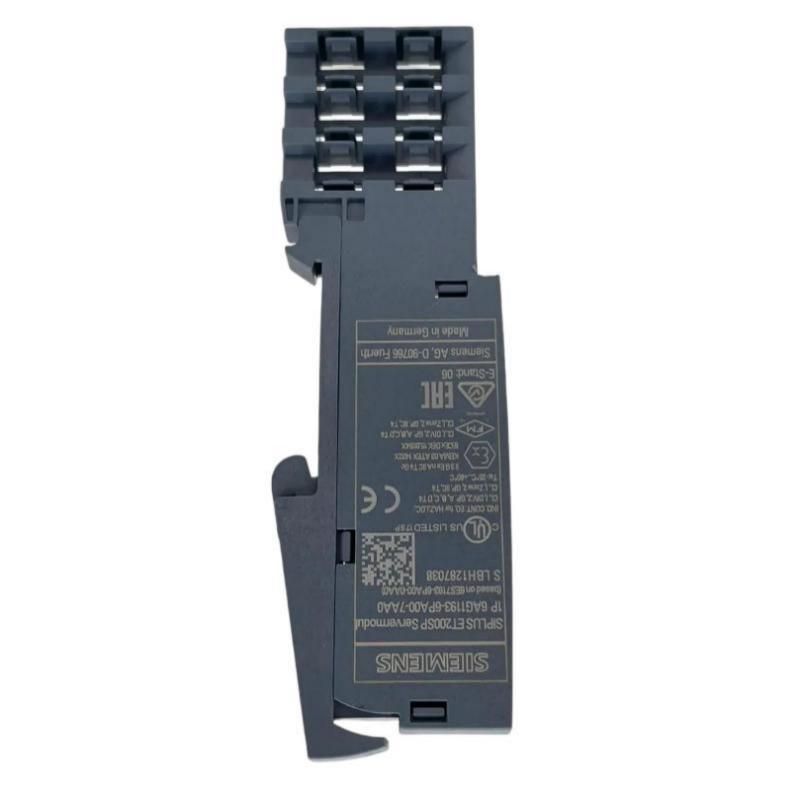
- Siemens
- 6AG1193-6PA00-7AA0
- Terminal Module
- Germany
- 7 × 117 × 36 mm
- 0.019 kg
- Xiamen, China
- New & In Stock
- T/T, PayPal, Western Union
- 1 Year
- 1-3 Working Days
- DHL, UPS, TNT, FedEx and EMS.
- 24-Hour Service
- COO
- 8
Our advantage

Global Logistics
We have a 10-year logistics and express cooperation agreement, so our products can be shipped to any place in the world.

Brand new and original
Our products are imported in bulk from the place of origin. Because of the cooperative relationship, our products are all original and 100% new.

24-hour service
We provide 7*24 hours service to our customers. We will be there whenever you need us.

Price advantage
All our products are priced very favorably because we have our own warehouse and supply.
| Company Information | |||
| [email protected] | |||
| Mobile | +8615980777398 | ||
| +8615980777398 | |||
| 15980777398 |
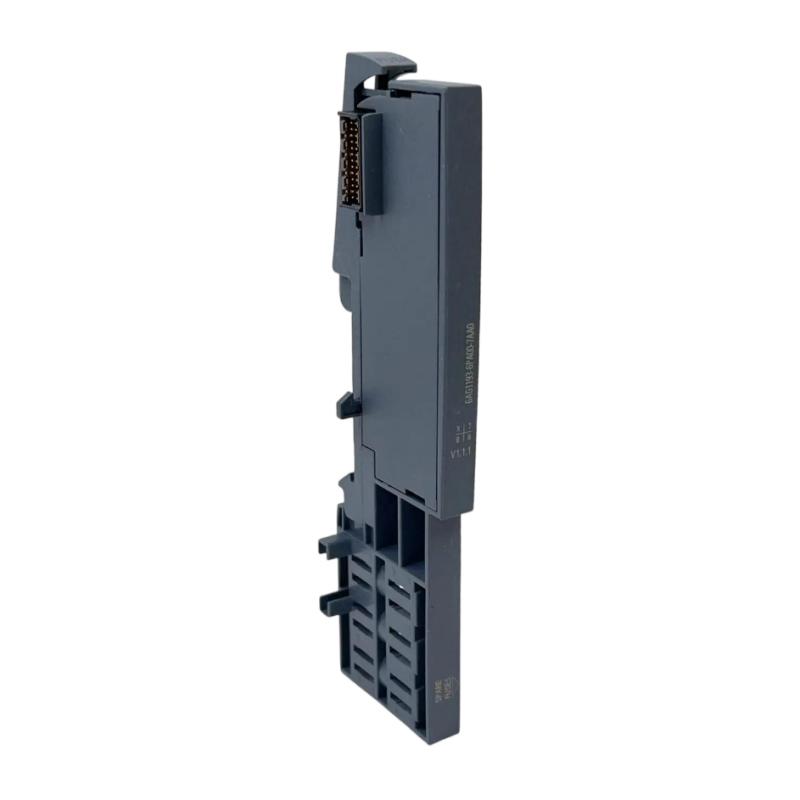
Product Overview
The Siemens 6AG1193-6PA00-7AA0 Terminal Module is a compact terminal component designed for use within the SIPLUS ET 200SP distributed I/O architecture. As part of Siemens’ modular automation platform, the terminal module provides the physical connection between field wiring and the corresponding ET 200SP electronic components. Its compact construction makes it suitable for space-constrained control cabinets and distributed field installation applications where reliable wiring and organized module-level connections are important.
With dimensions of only 7 × 117 × 36 mm and a weight of approximately 0.019 kg, the Siemens 6AG1193-6PA00-7AA0 is particularly suitable for high-density automation installations. The small form factor allows multiple ET 200SP components to be installed closely together while maintaining a modular cabinet layout. This makes the terminal module useful in systems where panel space, wiring organization, serviceability, and standardized component replacement are important design considerations.
The 6AG1193-6PA00-7AA0 is associated with the SIPLUS ET 200SP family, which is widely used for distributed automation, machine control, process equipment, production lines, and industrial communication systems. Within an ET 200SP station, terminal components such as this provide an important interface between field-level conductors and the electronic I/O architecture.
Technical Specifications
| Parameter | Details |
|---|---|
| Manufacturer | Siemens |
| Model | 6AG1193-6PA00-7AA0 |
| Product Family | SIPLUS ET 200SP |
| Product Type | Terminal Module |
| Application | Distributed I/O and industrial automation |
| Installation Concept | Modular ET 200SP station |
| Dimensions (H × W × D) | 7 × 117 × 36 mm |
| Weight | 0.019 kg |
| Mounting | Modular DIN-rail-based ET 200SP system |
| System Role | Field wiring and module connection interface |
| Typical Environment | Industrial control cabinets and automation panels |
| Compatible Platform | Siemens SIPLUS / ET 200SP architecture |
| Typical Applications | PLC I/O, machine automation, process control, distributed field I/O |
What Is the Siemens 6AG1193-6PA00-7AA0?
The Siemens 6AG1193-6PA00-7AA0 is a Terminal Module intended for the modular SIPLUS ET 200SP distributed I/O system. Terminal modules are an essential part of the ET 200SP concept because they provide a structured electrical and mechanical interface for field connections.
Instead of treating every I/O device as an independent conventional terminal assembly, the ET 200SP platform uses a modular architecture in which interface and electronic functions are separated into coordinated components. This approach makes it possible to build compact stations with different combinations of digital inputs, digital outputs, analog modules, technology modules, communication components, and other automation functions.
The terminal module therefore contributes to the overall station architecture rather than acting as an independent control device. It supports the physical organization of the I/O system and helps maintain a consistent connection structure between field devices and electronic modules.
For engineers working with Siemens distributed automation systems, understanding the function of the terminal module is important because a reliable field connection is just as important as the electronic I/O module itself.
SIPLUS ET 200SP System Architecture
The SIPLUS ET 200SP platform is designed around a modular distributed I/O concept. Instead of bringing every field signal directly back to a central PLC cabinet, I/O stations can be positioned closer to sensors, actuators, valves, drives, and other field devices.
A typical ET 200SP installation can include several layers of components:
- Interface modules
- Bus adapters
- Server modules
- Terminal modules
- Base units
- Digital input modules
- Digital output modules
- Analog input modules
- Analog output modules
- Technology modules
- Communication modules
- Power modules
- Field wiring components
The terminal module is part of this modular ecosystem. It contributes to the physical interface between the field wiring and the electronic section of the distributed I/O station.
This architecture offers several advantages compared with conventional centralized I/O systems. Wiring can be distributed throughout a machine or plant, cabinet space can be reduced, and individual modules can be serviced without redesigning the entire control system.
Function and Working Principle
The primary function of the 6AG1193-6PA00-7AA0 Terminal Module is to provide a structured connection point within the ET 200SP modular I/O architecture.
Its operation can be understood through several basic functions.
1. Field Wiring Interface
The terminal arrangement provides a defined physical connection between external field conductors and the associated automation hardware.
Depending on the specific ET 200SP configuration, field wiring may include signals from:
- Proximity sensors
- Limit switches
- Push buttons
- Solenoid valves
- Contactors
- Relays
- Analog transmitters
- Process instruments
- Machine sensors
The terminal structure helps organize these connections in a predictable manner.
2. Modular System Integration
The terminal module works as part of the ET 200SP modular construction concept. Instead of creating a separate wiring assembly for every electronic module, the station can be constructed from standardized components.
This makes system expansion easier and allows engineers to create I/O stations according to the required signal count and application.
3. Wiring Organization
Industrial control panels can contain hundreds or even thousands of individual conductors. A modular terminal architecture helps separate field wiring from electronic components and improves the overall organization of the control cabinet.
Good wiring organization also makes commissioning and maintenance more efficient.
4. Serviceability
A modular architecture allows maintenance personnel to identify individual components more easily. When an I/O-related problem occurs, technicians can inspect the field connection, terminal assembly, electronic module, and network communication independently.
This can reduce troubleshooting time and help prevent unnecessary replacement of functioning components.
Role in Industrial Automation Systems
The 6AG1193-6PA00-7AA0 should be considered a supporting component within a larger automation system.
A typical distributed automation architecture may contain:
PLC / Controller → Industrial Network → ET 200SP Interface → Terminal / Base Components → I/O Modules → Field Devices
For example, a PLC may communicate with a remote ET 200SP station over an industrial Ethernet network. The interface module manages communication with the controller, while the individual I/O modules process signals from field devices.
The terminal and base components provide the physical connection framework required for those modules.
This separation of responsibilities is one of the important characteristics of modern distributed I/O systems.
Typical Industrial Applications
The Siemens 6AG1193-6PA00-7AA0 Terminal Module can be incorporated into automation systems using the SIPLUS ET 200SP platform.
Typical application areas include:
Factory Automation
Distributed I/O stations can be installed throughout production machinery to collect sensor signals and control actuators.
Applications include:
- Assembly lines
- Packaging machines
- Material handling systems
- Production cells
- Automated inspection systems
- Conveyor systems
Process Automation
Remote I/O can be positioned closer to process instrumentation, reducing long field cable runs.
Typical equipment includes:
- Pumps
- Valves
- Flow instruments
- Pressure transmitters
- Level sensors
- Temperature sensors
Machine Building
The compact ET 200SP architecture is particularly useful for machine builders who need high I/O density within a limited control cabinet.
Water and Wastewater
Distributed I/O stations can be used for monitoring pumps, valves, level sensors, motor status, and other plant equipment.
Energy and Utility Systems
Modular distributed I/O can support monitoring and control applications in utility equipment and infrastructure.
Building and Infrastructure Automation
The ET 200SP platform can also be incorporated into larger automation architectures for ventilation, pumping, monitoring, and equipment management.
Installation Considerations
Correct mechanical and electrical installation is important for reliable operation of an ET 200SP station.
Before installing the 6AG1193-6PA00-7AA0, engineers should verify that the selected terminal configuration matches the associated ET 200SP components and system design.
Important considerations include:
- Confirm the exact part number before installation.
- Install the component in the intended ET 200SP modular position.
- Ensure that the mounting arrangement is mechanically secure.
- Keep the cabinet clean and free from conductive contamination.
- Route power and signal cables according to the control-panel design.
- Separate high-voltage wiring from sensitive signal wiring where appropriate.
- Use correctly identified field conductors.
- Ensure that all wiring connections are properly secured.
- Follow the electrical requirements of the complete ET 200SP configuration.
- Check grounding and equipotential bonding arrangements.
Because the terminal module is extremely lightweight, weighing only 0.019 kg, its installation has minimal impact on overall cabinet loading. However, mechanical stability and correct positioning remain essential.
Wiring and Cabinet Design
Good cabinet design is particularly important when using high-density distributed I/O.
The 6AG1193-6PA00-7AA0 can be part of an installation where many I/O channels are concentrated into a relatively small cabinet area.
Engineers should consider:
Signal Identification
Each field conductor should be clearly identified. Proper labeling reduces the risk of wiring errors during commissioning and maintenance.
Cable Separation
Where necessary, separate:
- Power cables
- Motor cables
- Digital signals
- Analog signals
- Communication cables
- Safety-related circuits
This can reduce electromagnetic interference and simplify fault diagnosis.
Accessibility
Even though the terminal module is very compact, sufficient access should be provided for technicians to inspect and service the associated wiring.
Heat Management
The overall cabinet thermal design should consider the complete ET 200SP station, including the power consumption of electronic modules and other equipment installed nearby.
Commissioning Procedure
A systematic commissioning procedure helps reduce startup problems.
Step 1: Verify the Hardware
Confirm that the installed terminal component corresponds to the intended system configuration.
Check:
- Part number
- Mechanical position
- Associated base/interface components
- I/O module arrangement
- Network architecture
Step 2: Inspect the Wiring
Check all field connections for:
- Loose conductors
- Incorrect terminals
- Damaged insulation
- Short circuits
- Incorrect polarity where applicable
- Incorrect signal identification
Step 3: Check the ET 200SP Assembly
Inspect the complete station to ensure that all modules and associated components are correctly seated and mechanically secured.
Step 4: Power Verification
Before applying power, verify the station’s supply and grounding arrangements.
Step 5: Controller Configuration
The PLC engineering project should correspond to the actual installed ET 200SP hardware.
Step 6: Communication Test
Verify communication between the PLC and distributed I/O station.
Step 7: I/O Signal Test
Test representative input and output channels individually.
For input signals, confirm that the controller receives the expected state.
For output signals, confirm that the commanded output produces the intended field response.
Step 8: Final Inspection
Record the final configuration and ensure that wiring labels, hardware identification, and software configuration are consistent.
Troubleshooting the 6AG1193-6PA00-7AA0
When a field signal does not behave correctly, the terminal module should not automatically be identified as the source of the problem.
A structured diagnostic process should begin with the complete signal path:
Field Device → Field Wiring → Terminal Connection → I/O Module → ET 200SP Station → Network → PLC Program
This approach prevents unnecessary replacement of components.
Problem: Input Signal Is Not Detected
Possible causes include:
- Field sensor not operating
- Broken conductor
- Loose terminal connection
- Incorrect wiring
- Incorrect sensor supply
- Faulty I/O module
- Incorrect PLC configuration
Recommended checks:
- Verify the field device.
- Measure the expected signal at the field side.
- Check continuity of the wiring.
- Inspect the terminal connection.
- Check the I/O module channel.
- Verify the PLC diagnostic status.
Problem: Output Device Does Not Operate
Possible causes may include:
- Missing field power
- Incorrect output wiring
- Loose connection
- Faulty actuator
- Output module fault
- Incorrect PLC logic
- Interlock or safety condition preventing activation
The technician should trace the signal from the PLC command toward the actuator rather than immediately replacing the terminal component.
Problem: Intermittent Signal
Intermittent faults are often associated with:
- Loose wiring
- Mechanical vibration
- Poor cable termination
- Damaged conductors
- Electromagnetic interference
- Incorrect grounding
- Field device instability
The terminal connection should be inspected carefully because an intermittent connection can be difficult to identify during static testing.
Preventive Maintenance
Although the 6AG1193-6PA00-7AA0 is a passive/supporting component within the ET 200SP architecture, preventive maintenance of the complete I/O station is important.
Recommended practices include:
- Inspect terminal connections periodically.
- Check for loose or damaged wiring.
- Inspect the cabinet for dust and contamination.
- Verify that ventilation remains unobstructed.
- Check module seating during scheduled maintenance.
- Inspect cable labeling.
- Review PLC and I/O diagnostic messages.
- Record recurring channel failures.
- Check for signs of overheating or discoloration.
- Maintain accurate electrical documentation.
Preventive maintenance is especially valuable in production systems where unexpected I/O downtime can stop an entire machine or process.
Replacement Considerations
When replacing a Siemens 6AG1193-6PA00-7AA0, technicians should verify the complete ordering code rather than selecting a visually similar component.
Important information includes:
- Manufacturer: Siemens
- Product family: SIPLUS ET 200SP
- Full order number: 6AG1193-6PA00-7AA0
- Product type: Terminal Module
- Dimensions: 7 × 117 × 36 mm
- Weight: 0.019 kg
The full part number is important because ET 200SP components can have similar physical dimensions while performing different functions.
Before replacement, maintenance personnel should also document the existing station configuration and field wiring.
Spare-Part Management
For industrial facilities that depend on distributed I/O, maintaining suitable spare components can reduce downtime.
A spare-parts strategy should consider the complete signal chain rather than only individual terminal components.
Recommended inventory categories may include:
- Terminal modules
- Base units
- Digital I/O modules
- Analog I/O modules
- Interface modules
- Bus adapters
- Power modules
- Communication components
For critical production lines, spare components should be stored in a clean, dry environment and protected from mechanical damage and contamination.
Part numbers should be checked before placing components into inventory to avoid mixing similar-looking ET 200SP products.
Why Compact Terminal Components Matter
The 7 × 117 × 36 mm dimensions of the 6AG1193-6PA00-7AA0 demonstrate the compact nature of the ET 200SP platform.
In modern industrial automation, cabinet space is often expensive. Control panels increasingly need to accommodate:
- PLCs
- Remote I/O
- Safety controllers
- Industrial Ethernet switches
- Variable frequency drives
- Power supplies
- Relays
- Circuit protection
- Communication equipment
A compact distributed I/O architecture allows more functionality to be installed without unnecessarily increasing cabinet dimensions.
The low weight of 0.019 kg also makes the component easy to handle during assembly, replacement, and service work.
Integration with Siemens Automation Platforms
The 6AG1193-6PA00-7AA0 can be used as part of an automation architecture centered around Siemens controllers and distributed I/O.
A typical system may combine ET 200SP components with:
- Siemens SIMATIC PLCs
- Siemens S7-1200 controllers
- Siemens S7-1500 controllers
- SIMATIC HMI systems
- Industrial Ethernet networks
- PROFINET communication
- SINAMICS drives
- Industrial sensors and actuators
- SCADA and supervisory systems
The exact compatible configuration depends on the selected ET 200SP components and engineering requirements.
For system designers, the main advantage is that the distributed I/O station can be designed around the actual field signal requirements rather than relying on a fixed centralized I/O structure.
Engineering Best Practices
Several practices can improve the reliability of systems incorporating the Siemens 6AG1193-6PA00-7AA0.
Use Accurate Documentation
The electrical drawing should reflect the actual terminal and I/O configuration.
Maintain Consistent Naming
Signal names should remain consistent between:
- Electrical drawings
- PLC program
- HMI
- SCADA
- Field labels
- Maintenance documentation
Separate Physical and Logical Troubleshooting
When a signal fails, first determine whether the problem is:
- Physical
- Electrical
- Hardware-related
- Communication-related
- Software-related
This greatly improves troubleshooting efficiency.
Keep Replacement Records
When a terminal or I/O component is replaced, record:
- Date
- Part number
- Location
- Reason for replacement
- Associated fault
- Test result
These records can help identify recurring system problems.
Key Advantages
The Siemens 6AG1193-6PA00-7AA0 Terminal Module offers several practical advantages within a SIPLUS ET 200SP installation:
- Compact 7 × 117 × 36 mm form factor
- Extremely low weight of 0.019 kg
- Designed for modular distributed I/O architectures
- Supports organized field wiring
- Suitable for high-density automation cabinets
- Helps simplify I/O station construction
- Supports maintainable modular system design
- Suitable for machine and process automation
- Integrates into Siemens ET 200SP system architectures
- Facilitates structured field-level connections
- Supports efficient service and replacement practices
Technical FAQs
What is Siemens 6AG1193-6PA00-7AA0?
The 6AG1193-6PA00-7AA0 is a Siemens SIPLUS ET 200SP Terminal Module used as part of a modular distributed I/O system.
What are the dimensions of the 6AG1193-6PA00-7AA0?
The specified dimensions are 7 × 117 × 36 mm.
How much does the 6AG1193-6PA00-7AA0 weigh?
The specified weight is 0.019 kg, making it an exceptionally lightweight component for industrial control-panel applications.
What system does the 6AG1193-6PA00-7AA0 belong to?
It belongs to the Siemens SIPLUS ET 200SP distributed I/O family.
Is the 6AG1193-6PA00-7AA0 a PLC?
No. It is a Terminal Module, not a standalone PLC or CPU. It functions as part of the modular ET 200SP I/O architecture.
Where is the 6AG1193-6PA00-7AA0 used?
It can be incorporated into distributed automation installations using the SIPLUS ET 200SP platform, including factory automation, machine building, process equipment, infrastructure, and other industrial control applications.
What should be checked before replacing this terminal module?
The complete order number 6AG1193-6PA00-7AA0, the physical system configuration, associated ET 200SP components, field wiring, and the PLC hardware configuration should all be verified before replacement.
Conclusion
The Siemens 6AG1193-6PA00-7AA0 Terminal Module is a compact component within the SIPLUS ET 200SP distributed I/O architecture. With specified dimensions of 7 × 117 × 36 mm and a weight of only 0.019 kg, it is well suited to high-density industrial automation installations where efficient use of control-panel space and organized field connections are important.
Its value comes from its role within a modular system. By providing a structured interface for field-level connections, the terminal module supports the ET 200SP approach to distributed automation, where I/O components can be positioned close to machines and process equipment while communicating with higher-level PLC and control systems.
For machine builders, system integrators, and industrial maintenance teams, the 6AG1193-6PA00-7AA0 can form part of a compact, maintainable, and scalable Siemens automation solution. When correctly installed and integrated with the appropriate ET 200SP components, it contributes to reliable field wiring, simplified system organization, and efficient long-term maintenance.