

ProductPRODUCT
Featured products



Contact Us
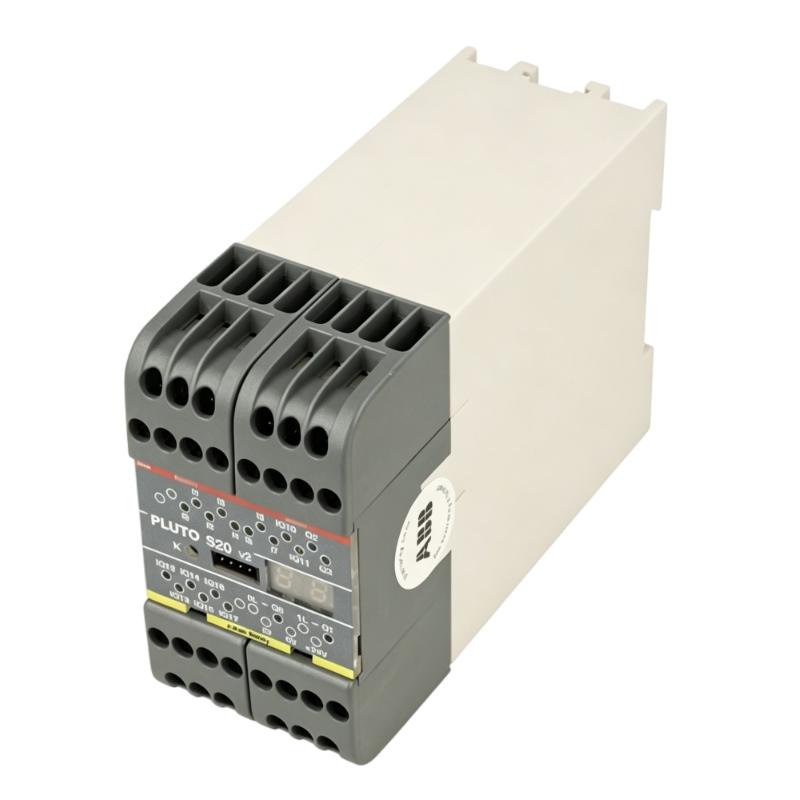
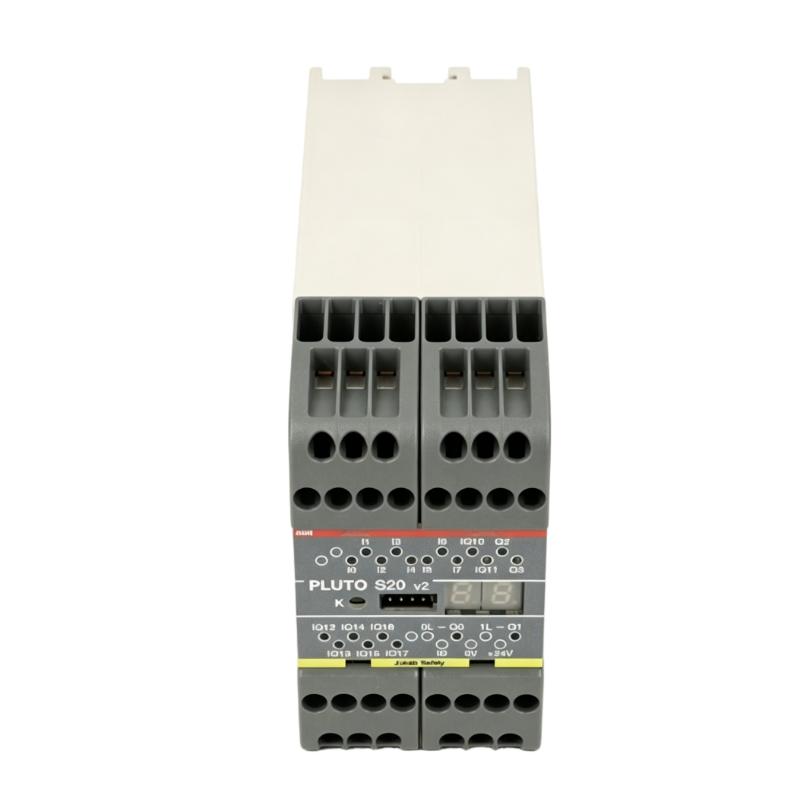
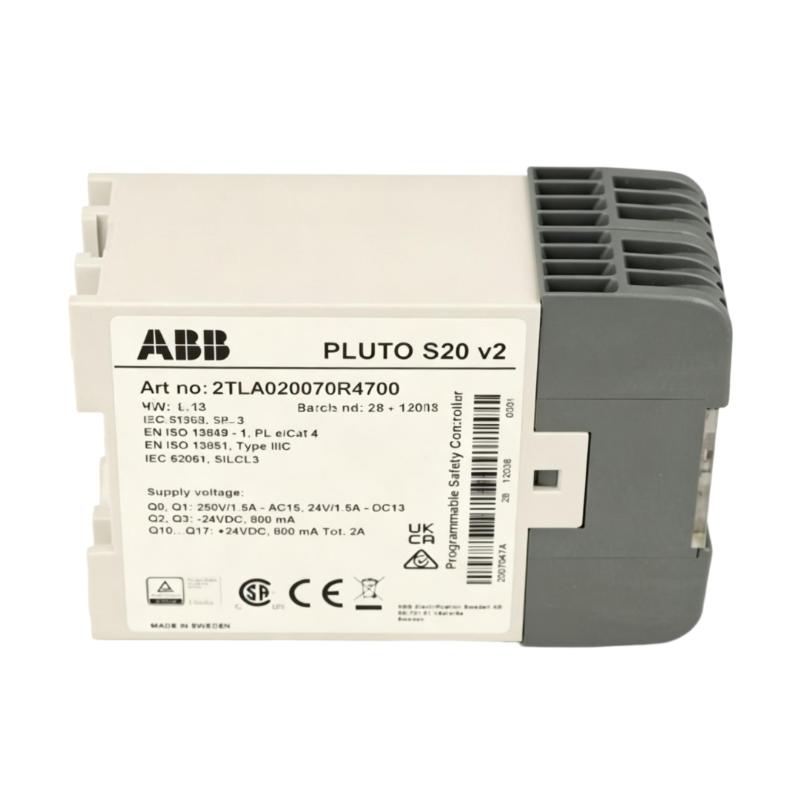
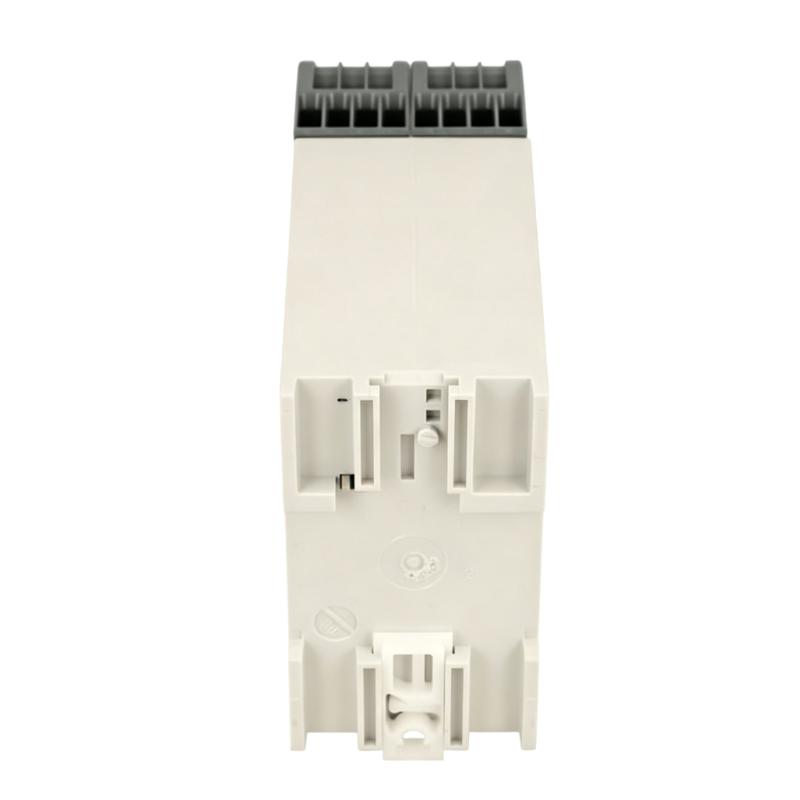
- ABB
- Pluto S20 v2 2TLA020070R4700
- Programmable Safety Controller
- Sweden (SE)
- 120 × 45 × 84 mm
- 0.39 kg
- Xiamen, China
- New & In Stock
- T/T, PayPal, Western Union
- 1 Year
- 1-3 Working Days
- DHL, UPS, TNT, FedEx and EMS.
- 24-Hour Service
- COO
- 5
Our advantage

Global Logistics
We have a 10-year logistics and express cooperation agreement, so our products can be shipped to any place in the world.

Brand new and original
Our products are imported in bulk from the place of origin. Because of the cooperative relationship, our products are all original and 100% new.

24-hour service
We provide 7*24 hours service to our customers. We will be there whenever you need us.

Price advantage
All our products are priced very favorably because we have our own warehouse and supply.
| Company Information | |||
| [email protected] | |||
| Mobile | +8615980777398 | ||
| +8615980777398 | |||
| 15980777398 |
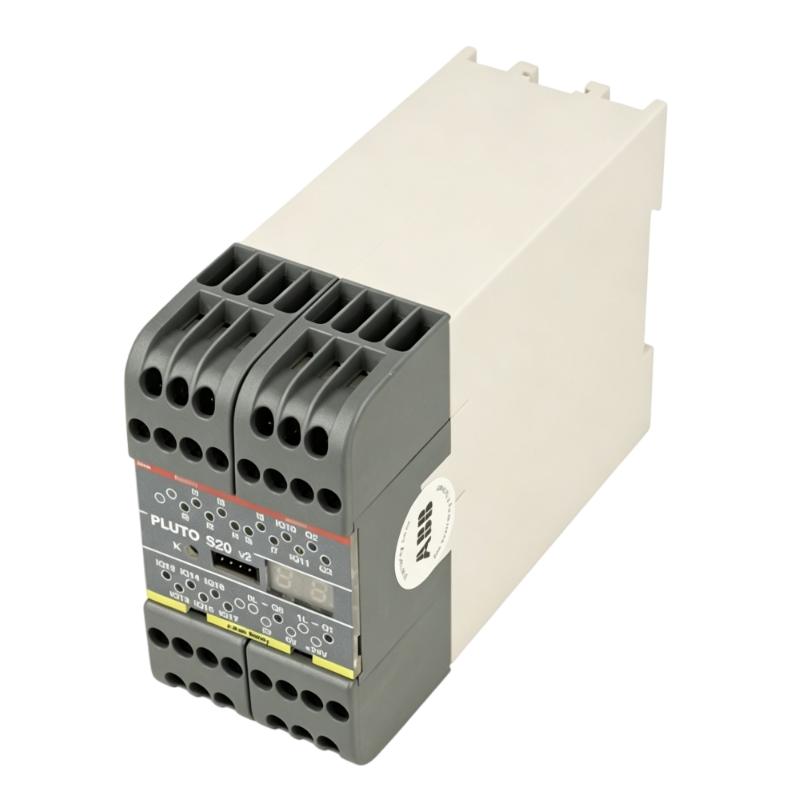
Product Overview
The ABB Pluto S20 v2 2TLA020070R4700 Programmable Safety Controller is a programmable safety controller for machine safety systems that require configurable monitoring and coordinated safety logic. It can process signals from safety devices and control safety-related outputs according to the programmed safety application.
As part of the Pluto safety controller family, the S20 v2 can be used where several protective functions need to be managed within a common safety-control system. Typical functions include emergency-stop monitoring, guard interlocking, safety light curtains, two-hand controls, and other machine protection devices.
The controller works alongside the machine’s standard automation equipment. Normal PLC logic can manage production sequencing and process functions, while the Pluto controller handles defined safety conditions and the corresponding safety response.
The S20 v2 is suitable for machinery where safety functions need to be coordinated rather than implemented as isolated safety relay circuits. It can also be incorporated into distributed safety architectures where multiple safety devices and controllers exchange safety-related information.
Technical Specifications
| Parameter | Specification |
|---|---|
| Manufacturer | ABB |
| Model | 2TLA020070R4700 |
| Product Family | Pluto S20 v2 |
| Product Type | Programmable Safety Controller |
| Primary Function | Programmable safety logic and machine safety control |
| System Role | Safety control system |
| Application | Machine safety and industrial automation |
| Dimensions | 120 × 45 × 84 mm |
| Weight | 0.39 kg |
Product Features
- Programmable safety controller for machine safety applications
- Pluto S20 v2 platform for configurable safety functions
- Supports centralized handling of multiple safety conditions
- Suitable for emergency-stop and protective-device monitoring
- Can be used with safety interlocks and access protection devices
- Supports programmable safety logic instead of relying solely on fixed-function relay circuits
- Suitable for automated machinery and production equipment
- Can operate as part of a broader machine safety architecture
Working Principle
The Pluto S20 v2 evaluates signals received from connected safety devices against the configured safety logic. The controller determines whether the required safety conditions are present before allowing the associated safety outputs to remain enabled.
For example, an emergency-stop circuit or guard switch can provide a safety input to the controller. If the device changes to an unsafe state, the configured logic responds by changing the relevant safety output. That output can then be used by downstream safety equipment to remove or inhibit hazardous machine operation.
Safety Devices → Pluto S20 v2 → Programmable Safety Logic → Safety Outputs → Final Safety Switching → Machine
Multiple safety conditions can also be combined within the programmed application. This allows machine functions such as guard monitoring, emergency stopping, reset control, and safe operating permissions to be coordinated within one safety-control system.
The controller therefore acts as the decision-making element of the safety chain, while contactors, drives, or other final switching equipment perform the physical interruption or inhibition of hazardous energy or motion.
Role in a Machine Safety Control Architecture
The Pluto S20 v2 occupies the programmable safety-control layer between field safety devices and the equipment responsible for stopping or inhibiting machine motion.
Safety Devices → Pluto S20 v2 → Safety Outputs → Safety Switching Devices → Machine
| System Element | Function |
|---|---|
| Emergency-Stop Devices | Detect emergency conditions and initiate safety functions |
| Guard Switches | Monitor machine doors, covers, and protective guards |
| Safety Light Curtains | Detect access to hazardous machine areas |
| Two-Hand Controls | Monitor simultaneous operator inputs |
| Pluto S20 v2 | Executes configured safety logic |
| Safety Outputs | Transmit safety-related switching commands |
| Contactors / Safety Relays | Disconnect or inhibit hazardous machine energy |
| Safety Drives | Execute configured safe motion responses |
| Machine Equipment | Performs the production operation |
This architecture separates safety logic from the machine’s normal process-control functions. The standard automation controller can continue managing sequencing and production while the Pluto system supervises the safety conditions defined for the machine.
Industrial Applications
| Application | Typical Use |
|---|---|
| Packaging Machinery | Emergency-stop and guard safety functions |
| Assembly Equipment | Safety interlocking and access protection |
| Robotics Cells | Hazardous-area monitoring and safety control |
| Machine Tools | Guard monitoring and emergency stopping |
| Conveyor Systems | Emergency-stop and access protection |
| Automated Production Lines | Coordinated safety functions across machine sections |
| Material Handling Equipment | Protective-device monitoring and machine shutdown |
| Manufacturing Cells | Programmable safety logic for multiple machine functions |
Installation and Maintenance
- Confirm that the 2TLA020070R4700 model matches the intended safety-control application.
- Review the machine safety architecture before connecting field safety devices.
- Install the controller in the designated control-panel position.
- Verify the power supply and terminal connections before energizing the controller.
- Connect emergency-stop devices, guard switches, and other safety inputs according to the approved circuit.
- Connect safety outputs to the intended downstream safety switching equipment.
- Verify that the programmed safety logic corresponds to the actual machine safety functions.
- Test each connected safety device during commissioning.
- Verify that the appropriate safety output changes state when a safety condition is activated.
- Inspect wiring and terminal connections when unexpected input or output states occur.
- Recheck the safety program and connected devices after controller replacement or maintenance.
- Perform a complete validation of all affected safety functions before returning the machine to normal operation.
Compatible System Components
| Component | Function |
|---|---|
| Emergency-Stop Pushbuttons | Initiate emergency-stop functions |
| Guard Interlock Switches | Monitor protective doors and machine guards |
| Safety Light Curtains | Detect personnel access to hazardous areas |
| Two-Hand Control Devices | Provide operator safety control for defined machine tasks |
| Safety Relays | Provide additional safety switching interfaces |
| Contactors | Disconnect hazardous machine power |
| Safety Drives | Execute safety-related motion control functions |
| Standard PLC | Handles normal machine sequencing and process control |
| HMI | Provides operator status and machine-interface functions |
Recommended Related Models
| Model / Product Family | Product Type | Typical Application |
|---|---|---|
| ABB Pluto S20 v2 | Programmable Safety Controller | Compact machine safety control |
| ABB Pluto S20 | Programmable Safety Controller | Machine safety applications |
| ABB Pluto S30 | Programmable Safety Controller | Expanded programmable safety control |
| ABB Pluto S40 | Programmable Safety Controller | Larger machine safety architectures |
| ABB Pluto Series | Safety Controller Family | Programmable machine safety systems |
| ABB Jokab Safety Products | Machine Safety Equipment | Safety sensing and switching |
| ABB Safety Relays | Safety Relay | Dedicated safety switching functions |
Key Advantages
- Provides programmable safety logic for multiple machine protection functions.
- Allows several safety conditions to be coordinated within a dedicated controller.
- Supports integration with emergency stops, guards, light curtains, and other safety devices.
- Separates safety-related decision logic from normal machine sequencing.
- Can interface with downstream contactors, safety relays, and safety drives.
- Suitable for automated machinery requiring configurable safety functions.
Technical FAQs
What is the difference between the Pluto S20 v2 and a conventional safety relay?
The S20 v2 can execute configured safety logic involving multiple safety devices and conditions, whereas a conventional safety relay generally performs a more limited predefined safety function. The programmable approach is useful when several machine safety functions must interact.
How should safety outputs from the Pluto S20 v2 be integrated into a machine?
The safety outputs should be connected to the downstream equipment responsible for the actual safety response, such as suitable safety relays, contactors, or safety-related drive functions. The final arrangement depends on the machine’s safety circuit and required protective function.
What should be considered when programming the Pluto S20 v2?
The programmed logic should correspond directly to the machine’s validated safety functions, including emergency-stop behavior, guard monitoring, reset conditions, and required safety responses. Changes to the safety program should be followed by appropriate functional validation.
What should be checked if a safety function does not reset after maintenance?
Check the state of every relevant safety input, the wiring of the affected device, reset conditions, configured safety logic, and the downstream safety circuit. A safety function that remains active may be caused by an open guard circuit, an emergency-stop condition, an incorrect reset sequence, or a downstream switching problem.