

ProductPRODUCT
Featured products
Contact Us
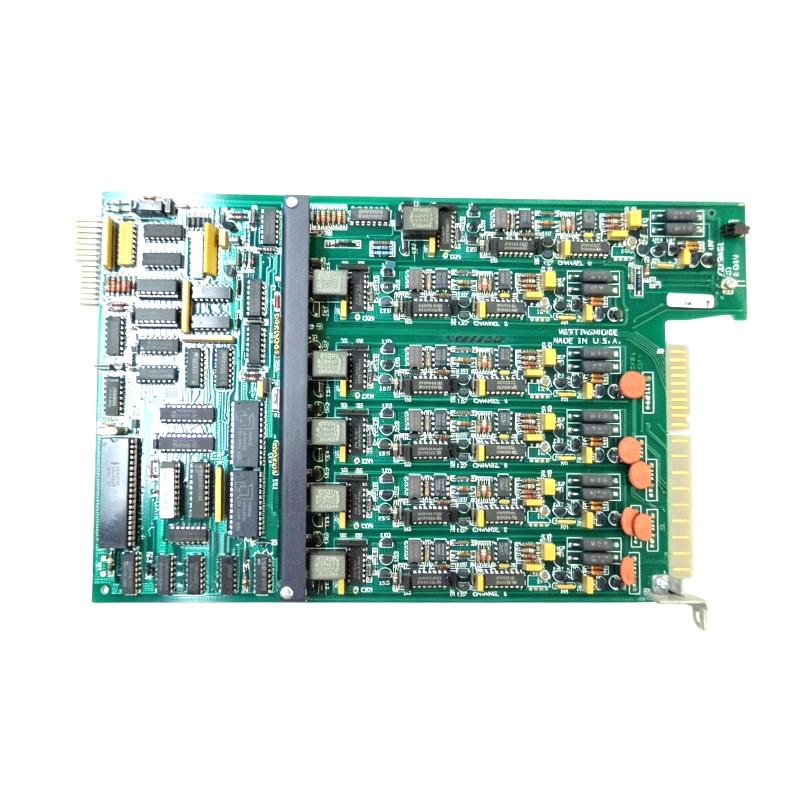
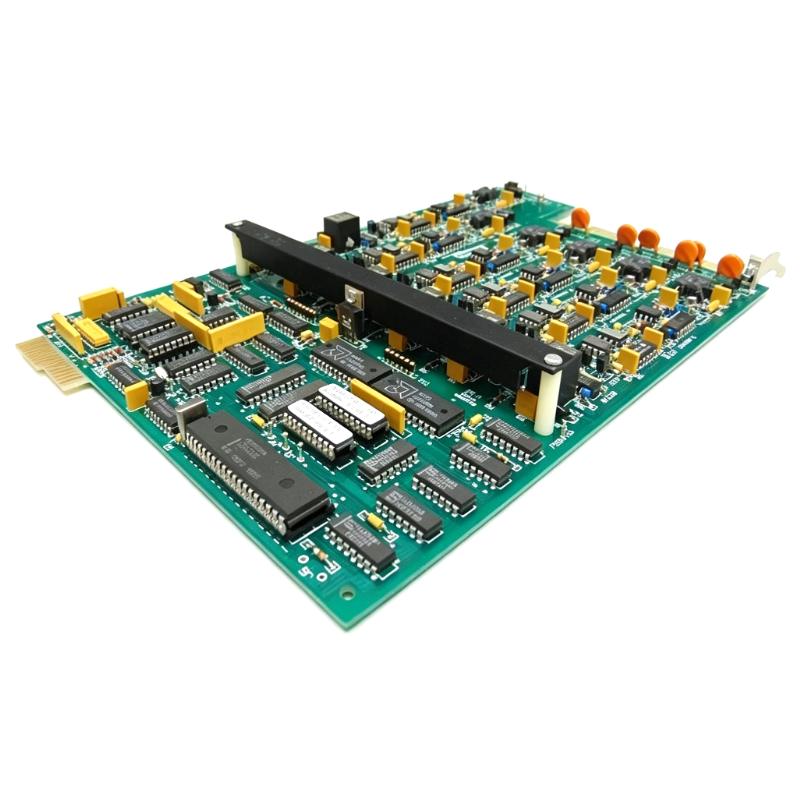
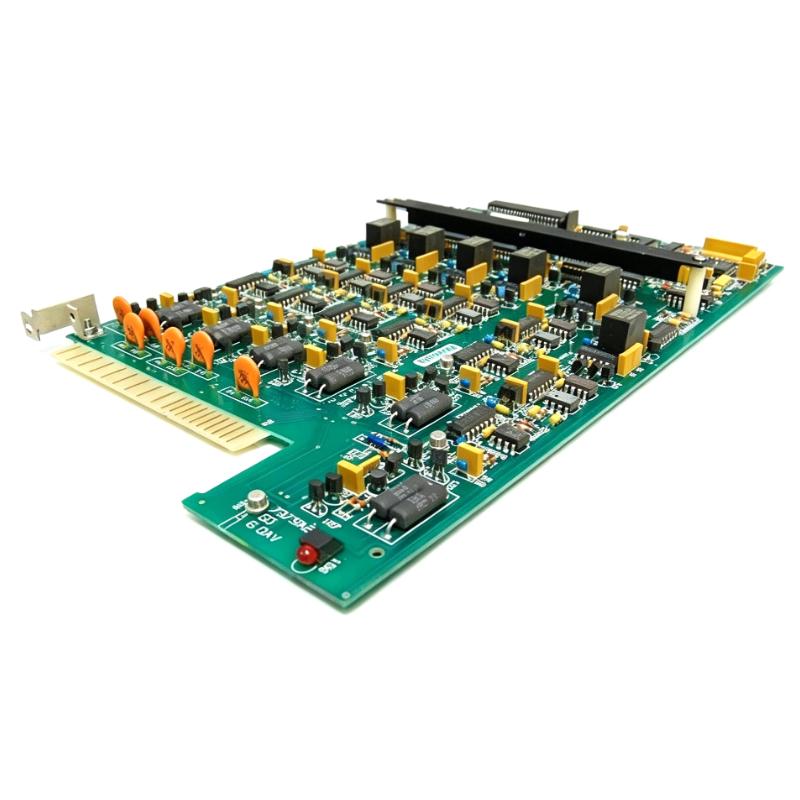
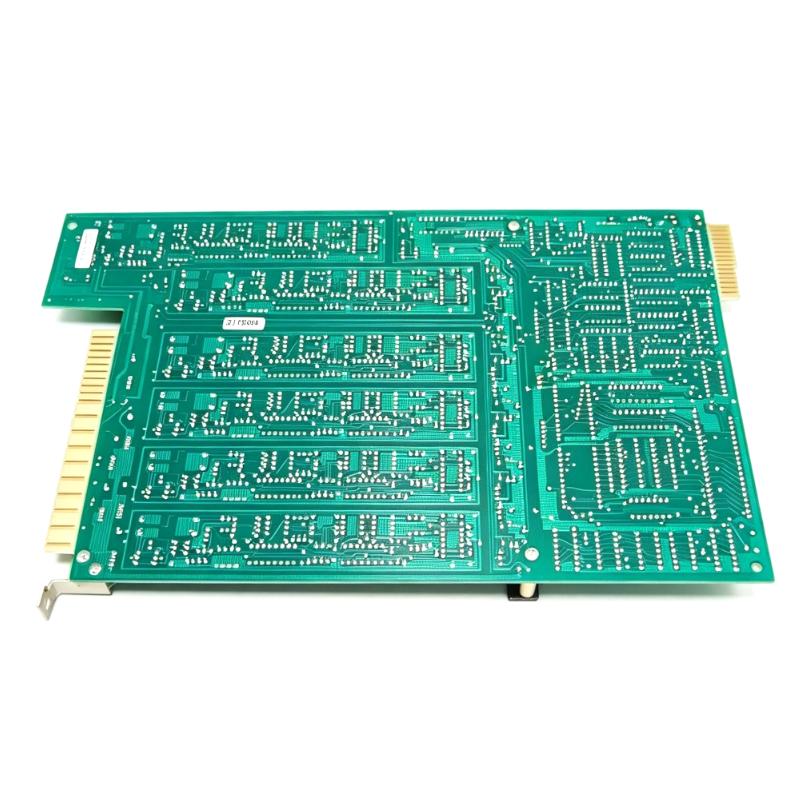
- OVATION
- 7379A21G01
- Q-Line QAV Card
- USA
- 200 × 35 × 120 mm
- 0.45 kg
- Xiamen, China
- New & In Stock
- T/T, PayPal, Western Union
- 1 Year
- 1-3 Working Days
- DHL, UPS, TNT, FedEx and EMS.
- 24-Hour Service
- COO
- 88
Our advantage

Global Logistics
We have a 10-year logistics and express cooperation agreement, so our products can be shipped to any place in the world.

Brand new and original
Our products are imported in bulk from the place of origin. Because of the cooperative relationship, our products are all original and 100% new.

24-hour service
We provide 7*24 hours service to our customers. We will be there whenever you need us.

Price advantage
All our products are priced very favorably because we have our own warehouse and supply.
| Company Information | |||
| [email protected] | |||
| Mobile | +8615980777398 | ||
| +8615980777398 | |||
| 15980777398 |
Product Overview
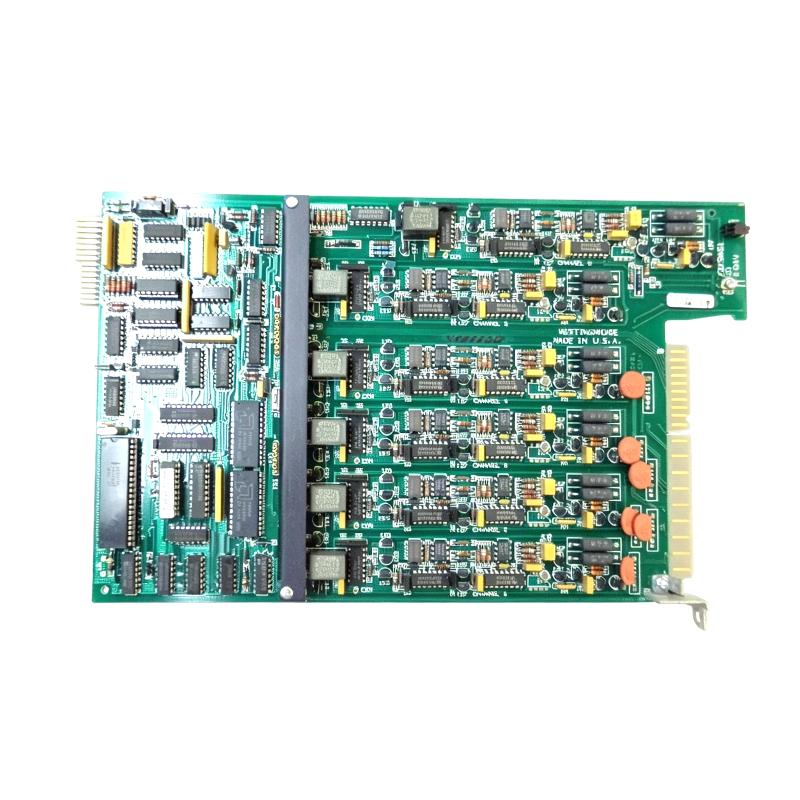
The OVATION 7379A21G01 Q-Line QAV Card is a Q-Line system card used in Emerson Ovation control-system hardware.
The Q-Line architecture uses dedicated electronic cards to perform specific control, interface, and signal-related functions. The 7379A21G01 serves as a hardware component within this modular architecture and works together with the associated rack, controller, I/O, and communication equipment.
The card is relevant to Ovation installations where Q-Line hardware remains part of the control-system infrastructure. It can be used for maintenance, replacement, system restoration, and troubleshooting of existing Q-Line assemblies.
The QAV designation identifies the card type within the Q-Line product family. Its actual system function depends on the hardware configuration and the position assigned to the card within the Ovation installation.
Technical Specifications
| Parameter | Specification |
|---|---|
| System | Ovation |
| Model | 7379A21G01 |
| Product Family | Q-Line |
| Product Type | QAV Card |
| Application | Industrial Control System |
| System Function | Q-Line Control / Interface Hardware |
| Dimensions | 200 × 35 × 120 mm |
| Weight | 0.45 kg |
Product Features
- Ovation Q-Line QAV Card
- Model 7379A21G01
- Designed for integration into Q-Line hardware
- Supports modular control-system architecture
- Works with associated Ovation electronic hardware
- Suitable for control and interface functions
- Applicable to existing Q-Line installations
- Useful for system maintenance and replacement
- Suitable for troubleshooting of Q-Line assemblies
- Intended for industrial automation environments
Working Principle
The QAV card operates as part of the Q-Line electronic architecture rather than as an independent controller.
A simplified system relationship is:
System Signals → Q-Line Hardware → QAV Card → Associated Control / Interface Electronics
The card receives or processes the signals assigned to its particular hardware function and exchanges information with the surrounding Q-Line components.
Its operation depends on the overall card arrangement, backplane connections, system controller, and associated I/O or interface hardware.
At system level, the card can participate in functions such as:
- Signal handling
- Control-system interfacing
- Internal data exchange
- Status processing
- Hardware coordination
- System diagnostics
The exact signal paths are determined by the Ovation Q-Line system configuration in which the card is installed.
Role in Q-Line Architecture
The 7379A21G01 forms part of the modular electronic layer of an Ovation Q-Line installation.
| System Element | Function |
|---|---|
| OVATION 7379A21G01 | Q-Line QAV Card |
| Q-Line Rack / Backplane | Provides card interconnection |
| Control Processor | Executes control functions |
| I/O Cards | Interfaces process signals |
| Communication Hardware | Exchanges system data |
| Power Supply | Provides operating power |
| Field Devices | Generate or receive process signals |
| Engineering System | Configuration and diagnostics |
The card relies on the surrounding Q-Line infrastructure for power, interconnection, and system-level coordination.
Q-Line System Integration
A modular Q-Line system can contain different card types assigned to different functions.
| Hardware Layer | Typical Function |
|---|---|
| Power Hardware | Supplies system electronics |
| Controller Hardware | Executes control logic |
| Q-Line Cards | Provides dedicated system functions |
| I/O Hardware | Interfaces field signals |
| Communication Hardware | Transfers system information |
| Backplane | Provides internal electrical interconnection |
| Field Equipment | Connects the control system to the process |
The QAV card operates within this modular arrangement and communicates through the system’s internal hardware interfaces.
Industrial Applications
| Application | Typical Use |
|---|---|
| Power Generation | Ovation control-system hardware |
| Thermal Power Plants | Q-Line control installations |
| Boiler Control | Process-control electronics |
| Turbine Systems | Control-system interface hardware |
| Industrial Utilities | Distributed control equipment |
| Process Automation | Modular control hardware |
| Plant Automation | Existing Ovation infrastructure |
| System Maintenance | Q-Line card replacement |
Installation and Maintenance
- Verify the 7379A21G01 model before replacement.
- Record the card position within the Q-Line assembly.
- Document the existing system configuration.
- Shut down the applicable equipment.
- Isolate system power before card removal.
- Observe appropriate electrostatic discharge precautions.
- Inspect the card connector and backplane interface.
- Check adjacent cards for visible damage or contamination.
- Remove the existing card according to the applicable maintenance procedure.
- Install the replacement card in the correct position.
- Confirm that the card is fully seated.
- Restore system power.
- Check system diagnostics.
- Verify communication with associated Q-Line hardware.
- Confirm the expected system function.
- Monitor for alarms or abnormal status indications.
A card-related fault can also originate from the backplane, power supply, connector, adjacent hardware, or system configuration, so these areas should be considered during troubleshooting.
Compatible System Components
| Component | Function |
|---|---|
| OVATION 7379A21G01 | Q-Line QAV Card |
| Q-Line Rack | Card mounting and system integration |
| Q-Line Backplane | Internal electrical interconnection |
| Ovation Controller | Control processing |
| Ovation I/O Cards | Process signal interface |
| Ovation Power Supply | System power |
| Communication Cards | Data exchange |
| Field Interface Equipment | Process connection |
Recommended Related Models
| Model / Product Family | Product Type | Typical Application |
|---|---|---|
| OVATION 7379A21G01 | Q-Line QAV Card | Q-Line control-system applications |
| Ovation Q-Line Cards | Control / Interface Cards | Modular control architecture |
| Ovation Q-Line I/O Cards | I/O Hardware | Field signal interface |
| Ovation Q-Line Controller Cards | Controller Hardware | Control processing |
| Ovation Q-Line Power Supply Cards | Power Hardware | System power |
| Ovation Communication Cards | Communication Hardware | System networking |
| Ovation Control Boards | Electronic Control Hardware | Control-system functions |
Key Advantages
- Ovation Q-Line QAV Card.
- Model 7379A21G01.
- Designed for Q-Line modular architecture.
- Supports dedicated control-system hardware functions.
- Integrates with associated Q-Line cards and backplane.
- Suitable for existing Ovation installations.
- Useful for maintenance and replacement.
- Applicable to industrial process-control systems.
- Supports continued operation of legacy Q-Line control infrastructure.
Technical FAQs
What is the 7379A21G01 used for?
The 7379A21G01 is a Q-Line QAV Card used as part of an Ovation Q-Line control-system assembly. Its specific function is determined by the Q-Line system configuration and associated hardware.
Does the QAV card operate independently?
No. The card functions as part of the Q-Line architecture and relies on the rack, backplane, power, controller, and other associated system components for complete operation.
What should be recorded before removing a Q-Line card?
The card identification, rack position, adjacent module arrangement, wiring or connector relationships, and relevant system configuration should be recorded before removal. This helps preserve the original hardware arrangement during maintenance.
What can cause a Q-Line card to appear faulty?
Besides the card itself, possible causes include poor backplane contact, power problems, connector faults, adjacent module issues, or system configuration errors. Checking the surrounding hardware can help distinguish a card fault from a system-level problem.