
NewsNEWCENTER
Featured products
Contact Us
Allen-Bradley 1440-VSE02-01RA Vibration Module Fault Troubleshooting Guide
2026-07-10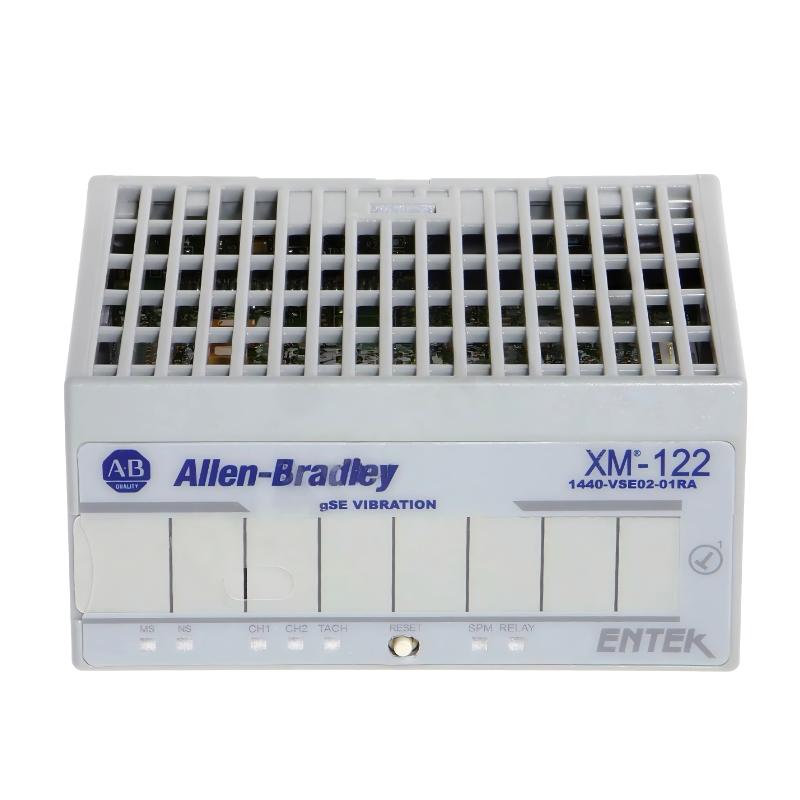
Table of Contents
- Field Case: Abnormal Vibration Alarm During Normal Machine Operation
- 1440-VSE02-01RA Vibration Module Fault Symptoms
- XM-122 Vibration Module Fault Diagnosis Process
- Common Causes of 1440-VSE02-01RA Vibration Faults
- 1440-VSE02-01RA Troubleshooting Procedure
- Vibration Module Repair and Recovery Actions
- Post-Repair Testing and Monitoring
- FAQs on 1440-VSE02-01RA Troubleshooting
- Engineering Summary
Field Case: Abnormal Vibration Alarm During Normal Machine Operation
The Allen-Bradley 1440-VSE02-01RA Vibration Module Troubleshooting process requires a complete analysis of the vibration measurement chain. In one industrial motor monitoring application, operators received repeated high vibration alarms while the equipment continued running normally.
The maintenance team initially suspected a mechanical problem. However, inspection showed that the motor, coupling, and bearing condition were within normal limits. Engineers then performed a Fault Diagnosis process on the vibration monitoring system and discovered that the abnormal signal was caused by a sensor connection issue.
This case demonstrates that vibration alarms do not always indicate mechanical damage. Sensor condition, cable quality, communication status, and System Configuration must all be checked.
1440-VSE02-01RA Vibration Module Fault Symptoms
Common fault symptoms found during field troubleshooting include:
- Sudden vibration value increase without mechanical change
- Incorrect vibration trend data
- Intermittent signal loss
- Unstable monitoring values
- False machine protection alarms
- Communication interruption between module and control system
When these symptoms occur, engineers should perform a systematic investigation instead of immediately replacing the Vibration Module.
XM-122 Vibration Module Fault Diagnosis Process
A professional Fault Diagnosis process should follow the complete vibration signal path:
- Confirm actual machine operating condition
- Check vibration sensor installation
- Inspect sensor cable condition
- Verify module status indicators
- Check communication stability
- Review System Configuration parameters
- Compare vibration data with historical trends
This process helps identify whether the fault originates from the machine, sensor, wiring, communication system, or the module itself.
Common Causes of 1440-VSE02-01RA Vibration Faults
The most common causes found during industrial Troubleshooting include:
- Loose vibration sensor connection
- Incorrect sensor mounting method
- Damaged signal cable
- Poor cable shielding
- Electrical interference from nearby equipment
- Incorrect alarm parameter settings
- Communication instability
In many industrial applications, vibration measurement problems are caused by external signal conditions rather than internal module failure.
1440-VSE02-01RA Troubleshooting Procedure
A practical troubleshooting workflow includes the following steps:
- Review vibration alarm history
- Compare current data with normal operating baseline
- Inspect sensor mounting condition
- Check cable continuity
- Verify signal stability
- Confirm module communication status
- Check configuration parameters
XM122_FAULT_DIAG

MODEL = 1440-VSE02-01RA
CHECK = SENSOR_SIGNAL
CHECK = CABLE_CONDITION
CHECK = MODULE_STATUS
CHECK = COMMUNICATION
CHECK = CONFIGURATION
During one troubleshooting case, engineers observed vibration data increasing from approximately 2.5 mm/s to more than 9 mm/s without any mechanical changes. Investigation found that the vibration sensor cable had poor shielding near a variable frequency drive. After improving cable routing and shielding, the vibration reading returned to normal.
Vibration Module Repair and Recovery Actions
After identifying the root cause, engineers performed the following corrective actions:
- Re-secured vibration sensor connections
- Repaired damaged cable shielding
- Improved signal cable routing
- Adjusted vibration alarm parameters
- Verified communication stability
The vibration monitoring system returned to stable operation without replacing the 1440-VSE02-01RA Module.
Post-Repair Testing and Monitoring
After troubleshooting, engineers should complete final verification:
- Confirm stable vibration readings
- Verify alarm response functions
- Monitor vibration trends during operation
- Compare data with previous baseline values
- Record maintenance results
A successful repair should restore accurate condition monitoring and prevent repeated false vibration alarms.
FAQs on 1440-VSE02-01RA Troubleshooting
Why does the vibration value suddenly increase?
The cause may be mechanical problems, sensor issues, cable interference, communication faults, or incorrect configuration.
Should the vibration module be replaced immediately?
No. Engineers should first check sensors, wiring, communication, and configuration before replacing the module.
What is the most common cause of unstable vibration signals?
Field experience shows that sensor connection problems, cable shielding issues, and electrical interference are common causes.
Engineering Summary
The Allen-Bradley 1440-VSE02-01RA Vibration Module Troubleshooting process requires a complete understanding of vibration measurement systems. Effective Fault Diagnosis includes checking sensors, wiring, communication, and System Configuration. In industrial applications, many vibration faults can be solved through proper inspection and adjustment without replacing the module, improving system reliability and reducing maintenance costs.