
NewsNEWCENTER
Featured products
Contact Us
Siemens, Rockwell and Schneider Drive the Next Wave of Industrial Automation with AI, Edge Computing, and PLC-DCS Integration in 2026
2026-06-23The global industrial automation industry is entering a new phase in 2026, driven by rapid advancements in artificial intelligence (AI), edge computing, and deeper integration between PLC and DCS systems. Leading automation companies such as Siemens, Rockwell Automation, and Schneider Electric are reshaping how modern factories operate by combining traditional control systems with intelligent digital platforms.
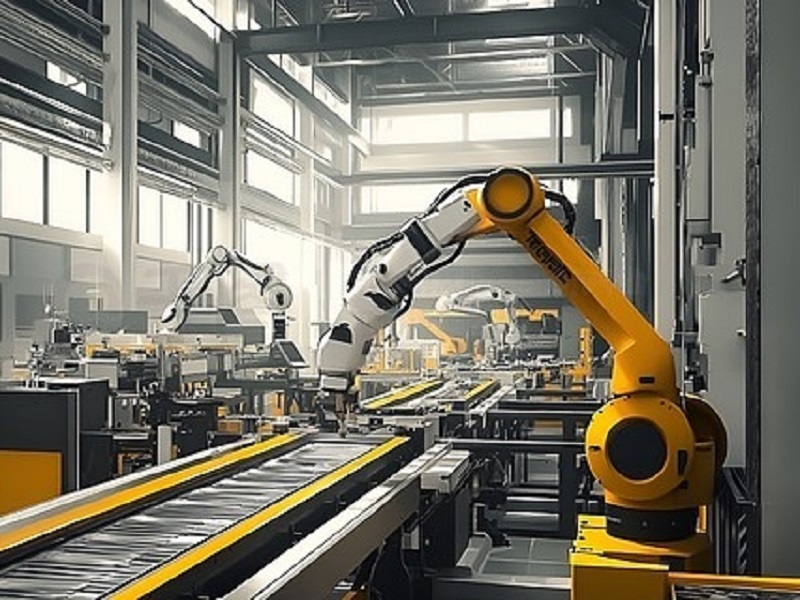
In the past, PLC (Programmable Logic Controller) and DCS (Distributed Control System) operated in separate domains. PLC systems were mainly used in discrete manufacturing such as automotive and packaging, while DCS platforms dominated continuous process industries like oil, gas, and chemicals. However, the industry is now converging toward unified control architectures that blend both technologies into a single intelligent ecosystem.
One of the most important trends in 2026 is the integration of AI into industrial automation platforms. Siemens has introduced AI-assisted engineering within its TIA Portal environment, enabling engineers to optimize PLC programming, detect logic errors, and improve commissioning efficiency. This significantly reduces engineering time while increasing system reliability in complex production environments.
At the same time, Rockwell Automation continues to expand its PlantPAx and ControlLogix ecosystems, focusing on real-time data visibility and tighter integration with enterprise IT systems. The company is heavily investing in cloud-connected PLC architectures that allow manufacturers to monitor and optimize production performance remotely.
Schneider Electric is also accelerating its EcoStruxure platform, which connects PLC, SCADA, and energy management systems into a unified digital framework. This approach allows industrial operators to achieve higher energy efficiency while maintaining operational stability across large-scale facilities.
Another major development in 2026 is the rise of edge computing in industrial automation. Instead of sending all control data to centralized cloud systems, more processing is now handled directly at the machine level. This reduces latency and improves real-time decision-making capabilities, especially in high-speed manufacturing environments.
Cybersecurity has also become a critical focus. With more PLC systems being connected to industrial networks and the internet, cybersecurity threats targeting OT systems are increasing. Modern PLC and DCS platforms now include built-in encryption, secure boot mechanisms, and compliance with international standards such as IEC 62443.
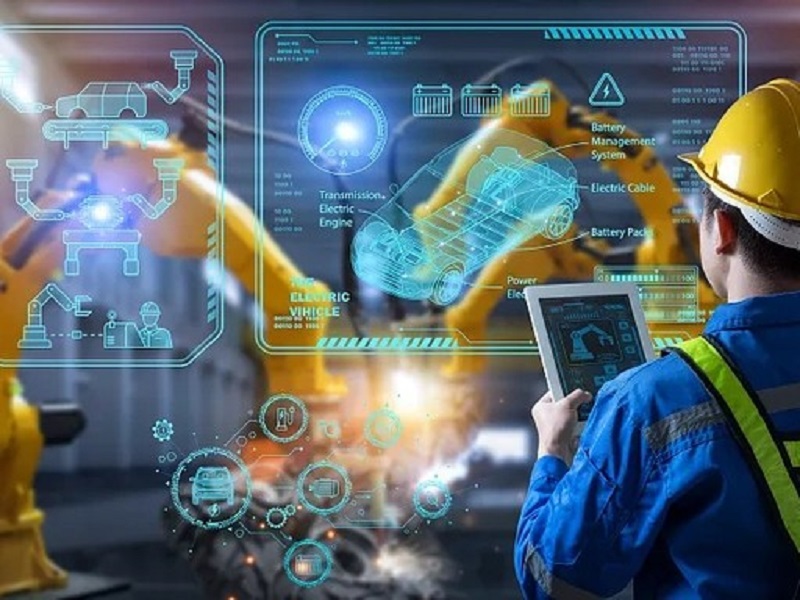
The integration of PLC and DCS systems is also becoming more common in hybrid industries. For example, in large chemical plants, PLCs are increasingly used for packaging and material handling systems, while DCS platforms manage process control. Unified control architectures now allow both systems to communicate seamlessly, improving efficiency and reducing operational complexity.
The global industrial automation market is expected to continue growing significantly throughout 2026 and beyond, driven by smart manufacturing, Industry 4.0 adoption, and increasing demand for digital transformation in manufacturing sectors.
In conclusion, the convergence of PLC, DCS, AI, and cloud technologies is creating a new industrial ecosystem. Companies that adapt to these changes will achieve higher productivity, lower downtime, and improved operational intelligence.